
Livraison le jour même et le lendemain

Qualité garantie

Débloquez vos offres de bienvenue: Livraison GRATUITE | Jusqu'à -80 % | 30 jours d'essai gratuits à JoyPlus
Téléchargez l'application
Wet wipes are handy for changing a nappy, when you’re out and about, after exercise or for a quick face cleanse. However, products vary considerably in their ingredients, material, size and intended use. A budget multipack is not automatically good value if the wipes dry out quickly or you need to use several at a time.
The main pitfalls are:
For babies and people with sensitive skin, fragrance-free wipes are often a sensible first choice. Also check whether the product contains alcohol, colourants or fragrances. “Aloe vera wipes” may feel pleasant to use, but aloe vera does not automatically make a product suitable for every skin type.
With baby wipes and nappy wipes, a short ingredients list is easier to understand. Products containing 99% water or 99.9% purified water usually still contain other ingredients, such as preservatives, glycerine or plant extracts. Always check the full product information.
Facial cleansing serves a different purpose. Make-up remover wipes and facial cleansing wipes are designed to remove make-up, SPF and impurities. NIVEA states that several variants have been dermatologically and ophthalmologically approved. This is a product claim made by the brand; follow the usage instructions and avoid direct contact with the eyes.
If you’re looking for plastic-free wet wipes or biodegradable wipes, assess these two properties separately:
For example, Page Moist Toilet Paper states that the product is plastic-free and biodegradable and complies with the INDA/EDANA standard for flushability. This is specific product information provided by Kimberly-Clark. Ordinary baby wipes, hand wipes and facial wipes belong in the bin, even when they are biodegradable.
A thicker wipe may absorb more dirt, but it often costs more per pack. BC Babycare states that its sensitive-skin variant is three times thicker than many standard wipes and contains 3.8 times more moisture, according to the product description. These are figures from the manufacturer or seller information, not a universal industry benchmark.
For everyday use, the calculation is simple:
Total price ÷ total number of wipes = price per wipe
A multipack of wet wipes is particularly worthwhile if you use them regularly and have enough storage space. For a changing bag or handbag, a smaller pack may be more practical.
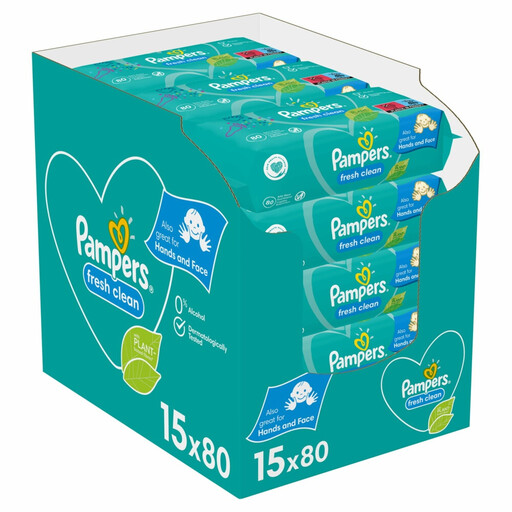
Why it suits this profile: A large pack containing 15 packs of 80 wipes for families who use baby wipes every day for hands, faces and nappy changes.
The specifications mention a resealable closure, alcohol-free lotion and dermatologically tested wipes. However, check the packaging to make sure the gentle fresh fragrance suits your preferences.
1,200 wipes in total; suitable for several everyday cleaning tasks; alcohol-free according to the product description.
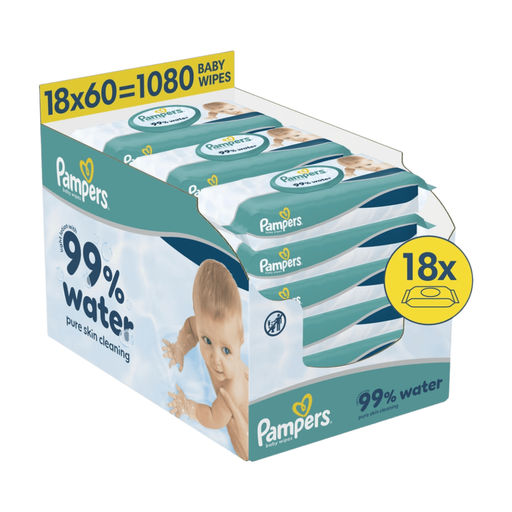
Why it suits this profile: Designed for parents who value a fragrance-free formula, a high water content and plastic-free fibres.
The product information specifies 99% water, no alcohol or fragrance, and 0% plastic in the wipe. Dispose of used wipes with household waste, as instructed.
1,080 wipes across 18 packs; fragrance-free; dermatologically tested and made from plant-based material, according to Pampers.
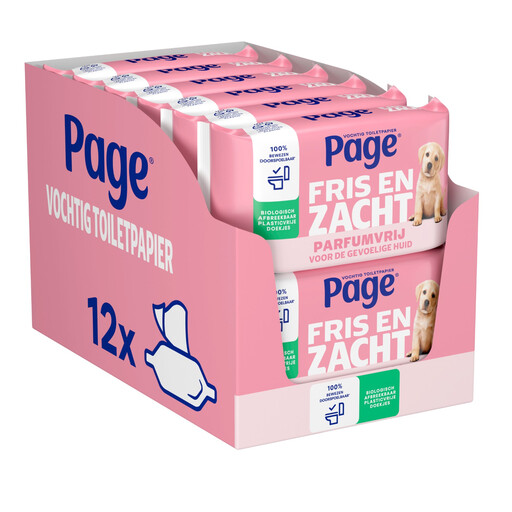
Why it suits this profile: For consumers looking for moist toilet paper to use after dry toilet paper and who value fragrance-free, plastic-free properties.
The product description explicitly mentions plastic-free wipes and the INDA/EDANA flushability standard. Only use the amount recommended on the packaging.
456 sheets in 12 packs; fragrance-free and pH skin-neutral according to the product information; packaging made with recycled plastic.
For a very short ingredients list, you could consider WaterWipes Organic Wet Wipes. The product information lists 99.9% purified water and 0.1% grapefruit seed extract. According to the product listing, these wipes have a limited recommended period of use after opening; always check the label on your pack.
For a thicker, fragrance-free option, BC Babycare Baby Wipes for Sensitive Skin are available in packs of 3 x 80 or 12 x 80 wipes. The manufacturer states that they contain plastic-free cellulose fibres, have OEKO-TEX certification and contain 99% purified water. A certificate tells you about the aspect that was tested, but it does not replace checking the ingredients list and usage instructions.
For facial cleansing, NIVEA variants for normal, sensitive or dry skin are among the relevant options. The formulas contain ingredients including glycerine and panthenol; some variants contain perfume or fragrances. If you are sensitive to these ingredients, it is worth comparing the ingredients before buying a larger supply.
We have put together a complete, up-to-date list of products that fully meet these strict selection criteria and the applicable European safety regulations.
No. Baby wipes, nappy wipes, make-up remover wipes and ordinary cleansing wipes belong in the bin. Only flush moist toilet wipes when the packaging clearly says that they are flushable and the usage instructions permit it. Even then, it is best not to flush several wipes at once.
Close the adhesive strip or lid immediately after use. Store unopened packs in a cool, dry place, away from prolonged direct sunlight and heat sources. Also check the expiry information and the recommended period after opening on the packaging.
Not necessarily. Fragrance-free means that no perfume has been added, but a product may still contain other ingredients that someone’s skin does not tolerate well. Check the complete ingredients list, use the wipe as instructed and stop using it if redness or irritation occurs. For young children, only use products intended for their age according to the label.
