
Vandaag of morgen in huis

Kwaliteit gegarandeerd

Welkomstaanbiedingen ontgrendelen: GRATIS bezorging | Tot 80% korting | Gratis 30 dagen JoyPlus-proefperiode
Download de app
Flushable wet wipes for the toilet are handy after using dry toilet paper, when you’re on the go, or as a household staple. However, not all wet toilet wipes are the same. A low price per pack may seem appealing, but a wipe that dries out quickly, is too thick, or doesn’t suit your skin or toilet offers little benefit.
As a Joybuy Product Recommendation Officer, I filter product information based on practical points: contents, material, packaging, usage advice, and flushability details. This way, you can better compare marketing claims with verifiable specifications.
Packaging sometimes states that wipes are flushable, biodegradable, or water-dispersible. That doesn’t automatically mean you should flush large quantities at once. Thick wipes can behave differently from standard toilet paper, especially in older pipes, narrow drainage systems, or with a septic tank.
Always follow the usage advice on the packaging. For several products in this range, it’s recommended to flush in small amounts to help prevent blockages. If in doubt, use the bin and also check the rules for your home, landlord, or local sewage system.
A bulk pack of wet toilet wipes may seem cheap per sheet, but opened packs can dry out over time. This happens especially if the seal doesn’t close properly. So check:
For daily family use, a bulk pack can be practical. For a student, traveller, or occasional use, smaller packs are often more convenient.
The terms mild, hypoallergenic, and for sensitive skin are useful as a first indication, but individual reactions vary. Check the ingredients list and look out for perfume, fragrances, plant extracts, and preservatives. Stop using if irritation or discomfort occurs. These products are intended for external use only; avoid contact with the eyes.
If you’re looking for biodegradable toilet wipes, it’s a good idea to check the material. Product information may state, for example, that wipes are plastic-free and made from natural fibres. That’s more concrete than just a general reference to “natural”.
For the PAGE products in this selection, the product description states they are plastic-free and biodegradable, made from 100% natural fibres, and use FSC-certified or recyclable packaging. These are claims from the manufacturer or supplier; check the current packaging and composition before use.
Some PAGE products state they comply with the INDA/EDANA flushability standard. This is a technical guideline relating to how wet wipes break down under certain test conditions. It’s not a licence to flush unlimited quantities down any toilet.
Even for products without this mention, it’s wise to check the label. “Flushable” should always be read alongside the specific usage advice. Ideally, flush one or a few wipes at a time and don’t combine them with large amounts of other paper.
Wet toilet paper with aloe vera, micellar water, or a fresh scent can be pleasant, but these additions aren’t suitable for everyone. Perfume, for example, may be less appropriate if you prefer to avoid fragrances. An unscented version would then be a more logical product choice.
Also pay attention to the size and thickness. Thicker wipes can feel sturdy, but may require extra care when flushing. Thin wipes take up less space when travelling, while larger sheets may be more practical for daily use.
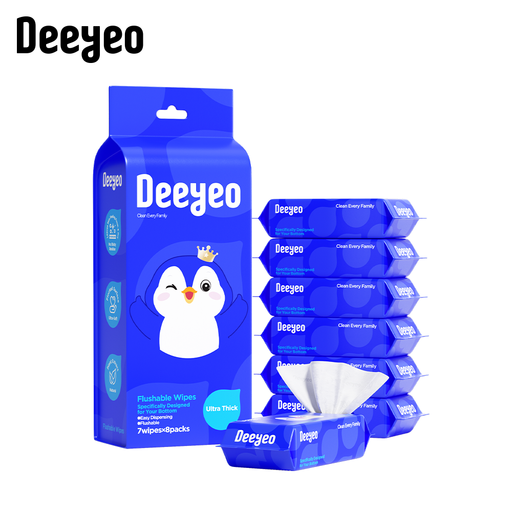
Why this fits the profile: The pack contains 7 packs of 8 sheets, making it easy to try out, travel with, or use occasionally.
The small portions reduce the risk of having too large an open stock and are ideal for use on the go.
56 sheets, 7 individual packs, and a description featuring pure water and gentle care.
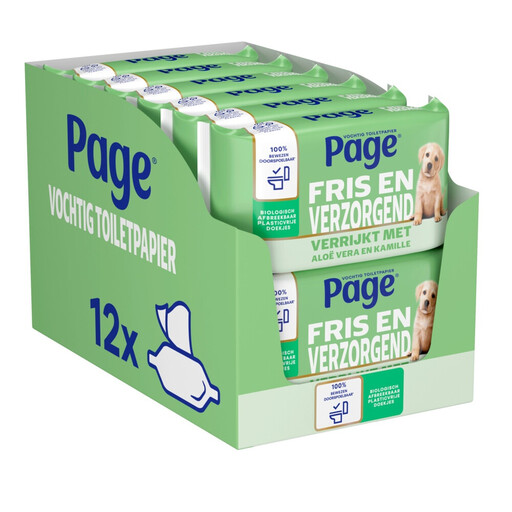
Why this fits the profile: This multi-pack is designed for a steady supply and, according to the product information, contains aloe vera extracts.
The packaging states material and flushability information, so you don’t have to rely solely on a general marketing term.
12 packs of 38 sheets, plastic-free natural fibres, and, according to the product description, pH-balanced for the skin.
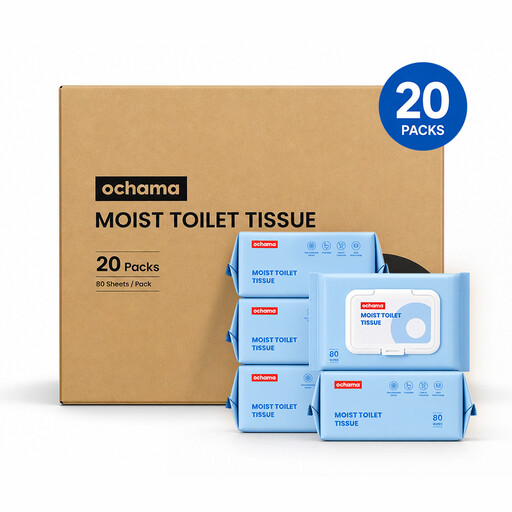
Why this fits the profile: With 20 packs of 80 sheets, this is a practical option for intensive daily use by multiple people.
The individual packs help keep the stock sealed. According to the product information, due to the thickness, you should only flush a small amount at a time.
1600 sheets, 80 sheets per pack, and a composition of wood pulp, water, and floral fragrance according to the product listing.
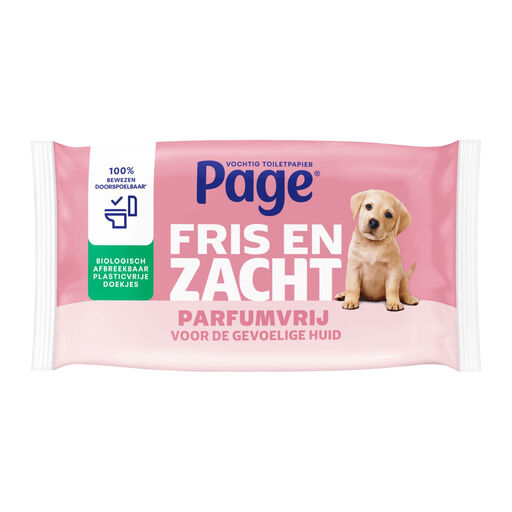
Why this fits the profile: The compact pack is ideal for a wash bag, and the product information states it is perfume-free with a pH-neutral formula.
The ingredients list and the perfume-free claim make comparison easier than a vague claim about softness.
38 sheets, perfume-free according to the product description, and listed as biodegradable and flushable.
We’ve put together a full, up-to-date list of products that fully meet these strict selection criteria and comply with current European safety regulations.
Use wet toilet paper preferably after dry toilet paper. Take one wipe, close the pack immediately afterwards, and only flush when the packaging allows it. For thicker varieties, older toilets, or if you’re unsure about the drainage, disposing of them in a suitable bin is wiser.
Store opened packs in a cool, dry place, away from direct sunlight and heat. This helps keep the moisture in. Take a small pack when travelling; leave bulk packs at home in a dry spot and don’t open more packs than you’ll use soon.
No. Suitability depends on the product, the quantity, the thickness of the wipe, and your drainage system. Read the packaging and flush small amounts. For a septic tank, old pipes, or recurring blockages, a bin is a safer practical choice.
This varies by product and packaging. Check the date and usage instructions on the pack. After opening, the closure is especially important: a poorly sealed pack can cause the wipes to dry out. So close the lid or sticker fully after each use.
Some products are, according to their product information, perfume-free, pH-neutral, or intended for sensitive skin. That’s no guarantee that everyone will tolerate them without issue. Check the ingredients, avoid products with unwanted fragrances, and stop if irritation occurs. For persistent concerns, seek advice from a healthcare professional.
