
Vandaag of morgen in huis

Kwaliteit gegarandeerd

Welkomstaanbiedingen ontgrendelen: GRATIS bezorging | Tot 80% korting | Gratis 30 dagen JoyPlus-proefperiode
Download de app
When you’re buying baby wipes, the choice seems simple. In reality, wipes vary widely in formulation, moisture content, size, packaging and cost per wipe. A low promotional price can work out less economical if you need more wipes per change, or if the pack dries out quickly.
Parents often come up against three common pitfalls:
For newborns or a baby wipes for sensitive skin routine, many parents opt for a simple formula. Check the label or product description to see whether the wipes:
A product claim is still a brand claim. For example, Pampers notes on its Sensitive Baby Wipes that the wipes are free from alcohol, fragrance and colourants, and suitable from birth. The product information also mentions a pH-protective formula. Always check the packaging for the up-to-date ingredients list and directions for use.
For Zwitsal Lotion Diaper Wipes, the product description mentions an alcohol-free, pH skin-neutral lotion with chamomile extract and a recognisable scent. That may suit parents who prefer a fragranced product, but makes less sense if you’re intentionally looking for fragrance-free baby wipes.
A nicely moistened wipe helps lift dirt without the need for hard rubbing. However, overly wet wipes can be awkward when changing on the go, while thin wipes are more likely to tear.
Look out for these practical details:
With 99% water baby wipes, it’s wise to read the full ingredients list. “99% water” doesn’t mean the wipe is made of water alone. According to the product information, Pampers 99% Water Baby Wipes are alcohol- and fragrance-free, made with plant-based materials and contain 0% plastic in the wipe. Pampers Soft Touch likewise states a formula with 99% water, without alcohol and fragrance.
If you’re mindful of sustainability, you can look for plastic-free baby wipes, plant-based fibres or biodegradable baby wipes. Check precisely what the manufacturer means: sometimes the claim relates to the wipe, not the packaging.
Plastic-free or biodegradable does not mean you can flush the wipe down the toilet. Used baby wipes belong in general waste unless your local guidance says otherwise. The brands mentioned below also state in their product information that these wipes must not be flushed.
A certification mark can provide extra information. For example, BC Babycare lists an OEKO-TEX certification with number 25.HUS.21538 Hohenstein. Always check the scope of any label: it doesn’t automatically mean every component of the packaging has the same properties.
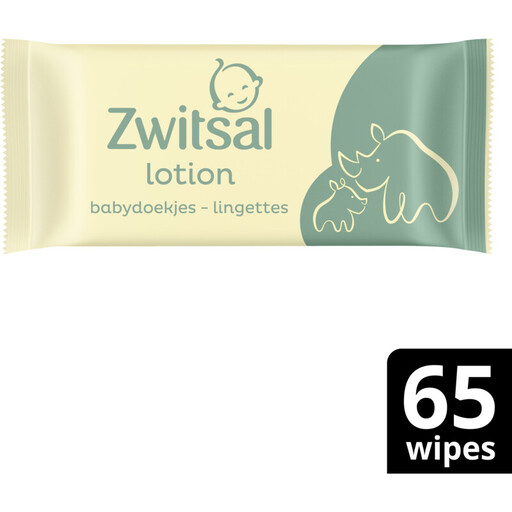
Why this suits the profile: A pack of 65 wipes is a manageable way to test which lotion and scent suit your routine.
The pack size reduces the risk of buying a big stock before you’ve assessed the lotion and the stated fragrance.
According to the product information: 65 wipes, alcohol-free, dermatologically tested and pH skin-neutral.
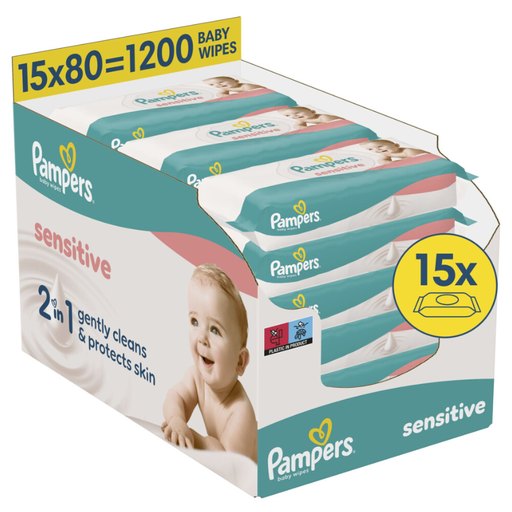
Why this suits the profile: The large supply is practical for daily changes at home, in the changing bag and at nursery.
The product information states wipes free from fragrance, alcohol and colourants, and a closure that helps limit drying out. Check the label on delivery.
1,200 wipes, plant-based fibres, dermatologically tested and, according to Pampers, suitable from birth.

Why this suits the profile: The quantity and extra-thick texture suit families who change frequently and want a sturdier wipe.
According to the product information, the wipes are unscented and three times thicker than many standard wipes. Seal the pack properly to help prevent drying out.
960 wipes, 99% purified water according to the product information, OEKO-TEX mentioned, and plant-based, plastic-free fibres.
Baby wipes clean, but they don’t replace a protective cream. For red or chapped bottoms, a thin layer of nappy rash balm can be part of the care routine. Use the balm as per the label on clean, dry skin and avoid contact with eyes or mouth.
The WELEDA Calendula Nappy Balm contains, according to the product description, zinc oxide, beeswax, lanolin, almond oil, calendula and chamomile, among other ingredients. The manufacturer states that these ingredients help protect against moisture and support the care of red, chapped skin. The formula is described as 100% natural and carries the NATRUE label. Natural essential oils are also listed; so don’t automatically choose this product if you want to avoid perfume or fragrances.
If skin irritation persists, spreads or is severe, it’s wise to seek advice from your GP or health visitor. Stop using a product if the skin clearly reacts.
We’ve put together a complete, up-to-date list of products that fully meet these strict selection criteria and the applicable European safety regulations.
Check the packaging for the expiry date, period after opening or other storage information. Reseal a pack immediately after use and store it in a cool, dry place, out of direct sunlight. It’s better not to use wipes that have dried out, changed colour or smell odd.
No. Fragrance-free baby wipes still contain other ingredients and every skin can react differently. If in doubt, test a small area first and check the full ingredients list. Stop if redness or irritation occurs.
No. Biodegradable refers to the material breaking down under certain conditions and doesn’t mean the wipe safely dissolves in plumbing. Put used wipes in the bin and never in the toilet.
