
Vandaag of morgen in huis

Kwaliteit gegarandeerd

Welkomstaanbiedingen ontgrendelen: GRATIS bezorging | Tot 80% korting | Gratis 30 dagen JoyPlus-proefperiode
Download de app
When choosing baby wipes for sensitive skin, it is not just about a low price or a high wipe count. The ingredients, moisture level, fibre composition and closure determine whether a pack is genuinely practical during nappy changes. Parents of newborns often also look for unscented baby wipes that are alcohol-free and contain as few unnecessary additives as possible.
Product information on packaging can be confusing. Below, we highlight the main pitfalls and key points to check, followed by several popular options for different needs.
A wipe can consist largely of water and still contain fragrance, preservatives or other ingredients. Always check the complete ingredients list. If you are looking for fragrance-free baby wipes, look for an explicit mention of “unscented”, “fragrance-free” or “parfum-free”.
Also pay attention to the difference between:
According to the Pampers Fresh Clean product description, these wipes are alcohol-free and dermatologically tested, but they do have a gentle fresh scent. That means they are not necessarily the right choice for anyone specifically seeking unscented wipes.
A value pack of baby wipes can reduce the price per wipe, but only if you use the wipes within the stated shelf life. An opened pack can dry out if the lid does not close properly. For some water-based products, the recommended period of use after opening may also be shorter.
Calculate:
A pack containing 12 × 60 wipes is convenient for regular use, while smaller packs may be more practical for a changing bag.
Plastic-free baby wipes are generally made from plant-based fibres, but that does not mean they can be flushed down the toilet. Biodegradable baby wipes should also normally be disposed of with general waste in the Netherlands, unless the packaging clearly provides different local instructions.
Also check whether the claim applies to:
For the products available, plastic-free or biodegradable properties are generally specified specifically for the wipe material. Always dispose of used wipes in a waste bin, never in the toilet.
For newborns and easily irritated skin, many parents choose:
“Hypoallergenic” is a product claim, not a guarantee that every skin type will react in the same way. According to the product descriptions, several models are marketed as hypoallergenic baby wipes. Stop using the product if redness, irritation or discomfort occurs, and consult a doctor or pharmacist if symptoms persist.
A thin wipe may tear more easily or require several wipes during a larger clean-up. Extra-thick baby wipes generally offer more coverage and grip, but they also take up more space.
According to the product description, BC Babycare wipes are three times thicker than many standard wipes and contain 3.8 times more moisture. These figures come from the brand and product information; the comparison depends on the reference product used. The Pampers Sensitive variant lists a plant-fibre base and a pH-focused formula, while Pampers Soft Touch wipes feature a soft mesh texture and an emulsion containing 99% water.
For OEKO-TEX-certified baby wipes, it is important to verify the certificate number rather than relying solely on a logo on the packaging. BC Babycare lists OEKO-TEX certificate number 25.HUS.21538 Hohenstein. A certificate provides information about the tested product properties within the scope of that certification, but it does not replace reading the ingredients list or instructions for use.
The BC Babycare wipes and several Pampers variants are described as plastic-free or made from plant-based fibres. Always check the current packaging before purchasing, as product formulas and claims may change.
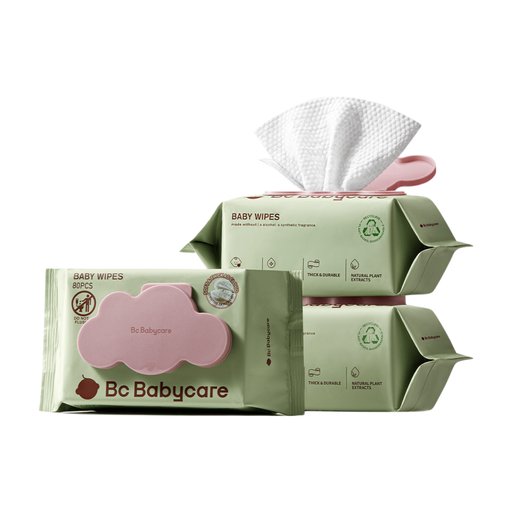
Why it fits: A smaller pack is a manageable choice for anyone who wants to try unscented wipes for sensitive skin first.
The product description states that the wipes are fragrance-free and specifies the ingredients and OEKO-TEX number.
99% purified water, plant fibres, wipes described as three times thicker in the product information, and 240 wipes per set.

Why it fits: A good choice for parents who focus primarily on the stated formula and want a pack for everyday use.
The product description lists 99.9% purified water and 0.1% grapefruit seed extract. Do check the recommended period of use after opening on the packaging.
720 wipes across 12 packs; described in the product information as hypoallergenic and pH-neutral.
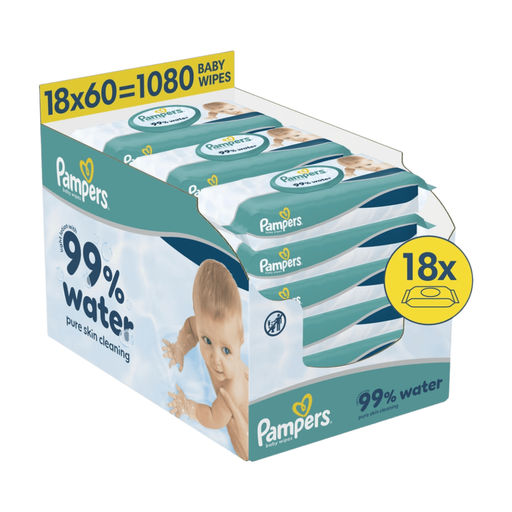
Why it fits: A generous supply for families who use a large number of wipes every day for nappy changes, hands and faces.
The listed specifications describe fragrance-free, alcohol-free wipes in a resealable pack. Close the pack fully after every use.
1,080 wipes, plant fibres and, according to the product description, 0% plastic in the wipe itself.

Why it fits: A substantial supply for families who value extra-thick wipes and a high quantity per order.
According to the product information, the wipes are unscented, extra-moist and three times thicker than the stated standard comparison.
960 wipes, OEKO-TEX certificate number 25.HUS.21538, and a cellulose base described as plastic-free and biodegradable.
Explore a current selection of wipes and compare quantities, ingredients and pack formats before placing your order.
For baby wipes for newborns, use them externally only and avoid contact with the eyes and mouth. For sensitive skin, consider testing the product on a small area first. Keep the pack out of reach of babies and children.
Store packs:
Never reuse a wipe and never flush it down the toilet. Check the expiry date and the instructions regarding use after opening on the packaging.
That depends on the complete formula and the instructions for use. “99% water” only indicates the proportion of water. Also check for fragrance, alcohol, preservatives, fibre material and the stated age suitability. Some products in this overview specify use from birth, but always follow the information on the current packaging.
Some brands state that their plant-fibre wipes are plastic-free and biodegradable. This does not automatically apply to every variant or to the packaging. Check the specific product claim and dispose of used wipes in a waste bin, never in the toilet.
A value pack may offer a lower price per wipe, but calculate this yourself based on the current selling price and total wipe count. Only buy an amount you can use in good time, and store unopened packs in a cool, dry place.
