
Vandaag of morgen in huis

Kwaliteit gegarandeerd

Welkomstaanbiedingen ontgrendelen: GRATIS bezorging | Tot 80% korting | Gratis 30 dagen JoyPlus-proefperiode
Download de app
Baby wipes may seem simple at first: pick up a pack, check the price and you’re done. In practice, baby wipes vary considerably in their material, moisture level, fragrance, packaging and number of wipes. Small differences can become noticeable, especially when you’re changing your baby every day.
So look beyond a familiar brand name or a bold claim on the packaging. Below, you’ll find common pitfalls to watch out for, important specifications to check and baby wipes to suit different needs.
A pack with a low upfront price may contain fewer wipes or dry out more quickly. Compare the price per 100 wipes and check the size and thickness too. A thicker wipe may be more practical for a bigger mess, while thinner baby wipes may be enough when you’re out and about.
With a bulk pack of baby wipes, it’s also important to check how long they can be kept after opening. Buying a large number of packs is only good value if you keep them properly sealed and use them within the stated period.
Water wipes for babies often contain a high percentage of water, but may also include preservatives, plant extracts or cleansing agents. Always check the full ingredients list. If your baby has sensitive skin, look out in particular for fragrance, alcohol, colourants and any ingredients your child has reacted to before.
Brands can make their own product claims, but these don’t automatically guarantee that a product will suit every child. According to Pampers’ own information, some Sensitive wipes are free from alcohol, fragrance and colourants, and are dermatologically tested. Check the current packaging, as formulations can change.
“Plastic-free”, “plant-based” and “biodegradable” don’t necessarily refer to exactly the same thing. Check the material of the wipe itself as well as the packaging. Even plastic-free baby wipes shouldn’t be flushed down the toilet: fibres can cause blockages, whatever the material claim says.
For newborns or sensitive skin, fragrance-free baby wipes and alcohol-free baby wipes are often a sensible first choice. That doesn’t mean every child will tolerate them without a problem. Stop using them if you notice redness, irritation or discomfort, and ask a healthcare professional for advice if symptoms persist.
A simple formula isn’t necessarily suitable for every child. Compare the ingredients list with your previous experience, and keep the packaging for as long as you use the product.
A wipe needs to be moist enough to lift away dirt, but not so wet that it becomes awkward to use. Thickness matters when changing your baby: a sturdier wipe may be less likely to tear and can give you a better grip. According to the product description, BC Babycare says certain versions are three times thicker than many standard wipes and contain 3.8 times more moisture. These are product specifications and claims made by the manufacturer, so compare them with the information on the packaging.
A secure lid or resealable pack can help prevent wipes from drying out. Store opened packs somewhere cool and dry, away from direct sunlight. Only buy a bulk pack if you’ll use enough wipes. Small packs are more convenient for a changing bag; at home, a multipack may mean you need to reorder less often.
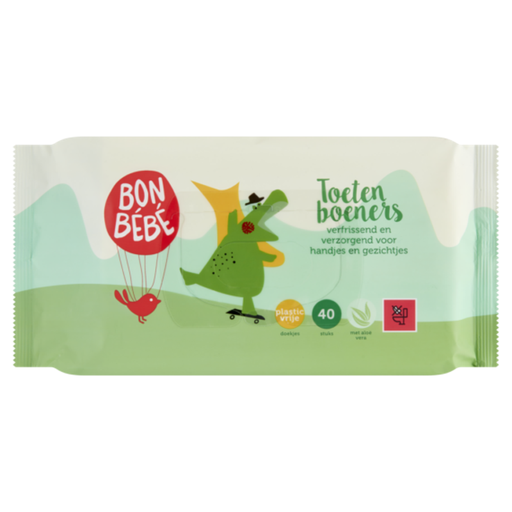
Why it suits this profile: A compact pack of 40 wipes is handy for trying them out or carrying in a changing bag. According to the product description, the wipes are intended for hands, face and nappy changes.
The small pack reduces the risk of a large number of wipes drying out before you use them. Do check that aloe vera and the other ingredients are suitable for your baby.
40 wipes per pack; resealable packaging according to the product information; according to the manufacturer, free from alcohol and artificial fragrances.
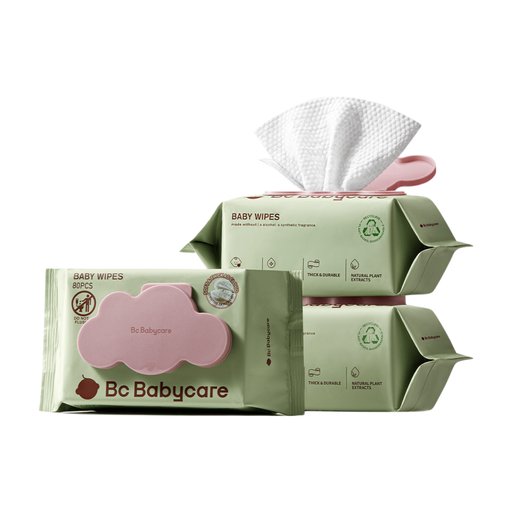
Why it suits this profile: This version is aimed at parents who pay extra attention to thickness, moisture and fragrance-free use as part of their daily care routine.
The product information states that the wipes are fragrance-free and made with plant fibres, and have OEKO-TEX certification number 25.HUS.21538 Hohenstein. Check the current packaging to confirm.
3 packs of 80 wipes; according to the product description, three times thicker than many standard wipes; fragrance-free.
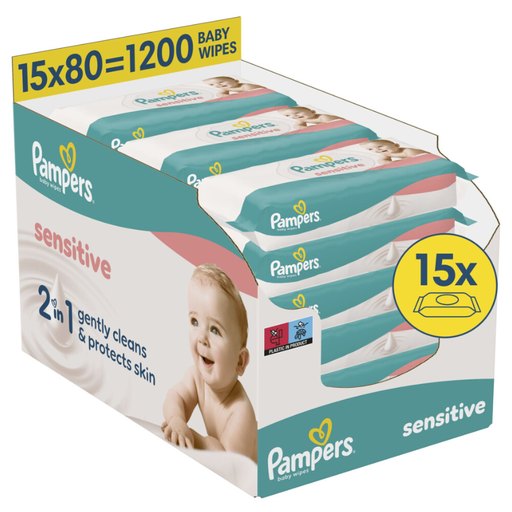
Why it suits this profile: With 15 packs of 80 wipes, this bulk pack is designed for families who change nappies frequently and want to keep a good supply at home.
The individual packs and closures help keep your supply organised. According to the product information, the wipes are fragrance-free, alcohol-free and free from colourants.
1,200 wipes; listed as suitable from birth; dermatologically tested according to the manufacturer.
We’ve put together a complete, up-to-date list of products that meet these strict selection criteria and the applicable European safety regulations.
Not necessarily. Fragrance-free and alcohol-free are useful things to look for, but the full formula and your child’s individual skin reaction still matter. If you’re unsure, try a small number of wipes first and stop using them if irritation occurs.
Close the lid straight after use, and store the pack somewhere dry and out of direct sunlight. Don’t leave individual wipes out of the pack for long periods. With bulk packs, it’s more convenient to open one pack at a time.
No. Put used wipes in your general waste, even if the packaging says they’re flushable. Wipes can block pipes and sewers. Also check your local council’s waste disposal guidance.
