
Vandaag of morgen in huis

Kwaliteit gegarandeerd

Welkomstaanbiedingen ontgrendelen: GRATIS bezorging | Tot 80% korting | Gratis 30 dagen JoyPlus-proefperiode
Download de app
Wet wipes are handy when you’re out and about, changing your baby or doing a quick clean. Yet many packs look more alike than they are in use. A low price per pack, for example, doesn’t tell you much if the wipes dry out quickly, are too small or aren’t suitable for the surface you’re buying them for.
Terms such as “water-based”, “plastic-free” and “flushable” also deserve a closer look. Always check the ingredients, material, number of wipes and instructions on the packaging. That way, you can avoid buying a product that isn’t right for your skin, home or daily routine.
Words such as “mild”, “dermatologically tested” or “suitable for sensitive skin” won’t mean the same thing to everyone. A brand’s own research might, for example, describe one formula as milder than another method, but that doesn’t guarantee that every skin type will tolerate it well.
So check the ingredients list. If you’d rather avoid perfume, alcohol or colourants, choose an option that clearly states it’s free from them. Stop using the wipes if you notice redness, itching or any other reaction.
According to the product information, baby wipes, nappy wipes and wipes for sensitive skin are intended for external use on the skin. Cleaning wipes often contain ingredients designed for hard surfaces, but not for hands, faces or babies’ skin.
Use moist toilet wipes only as directed on the label, too. Even if a product is described as flushable, wipes can still cause blockages. If in doubt, put used wipes in the bin.
A multipack with lots of wipes isn’t automatically better value. Also consider:
A good adhesive seal or plastic lid helps keep the wipes moist. Close the pack straight after each use and store it somewhere dry, away from direct sunlight and out of children’s reach.
Soft, durable wipes are practical for baby care. Products may be made from plant-based fibres, viscose, cotton or other non-woven materials. “Plastic-free” usually refers to the wipe material, not necessarily the entire pack.
Dry washcloths are an alternative if you want to add the water yourself. This lets you control how much moisture you use and can be handy when travelling, exercising or providing care at home. Just check that the cloth stays strong enough once wet.
For sensitive skin, fragrance-free, alcohol-free and colourant-free options may be a sensible choice. Don’t just look at the front of the pack: check the full ingredients list as well.
A formula with water as its main ingredient isn’t the same as a product made entirely of water. It may also contain preservatives and other ingredients. If skin problems persist, it’s best to speak to a healthcare professional; wet wipes aren’t a substitute for medical treatment.
Wet wipes generally shouldn’t be flushed down the toilet. For example, Pampers Sensitive product information specifically says that used wipes should be put in a bin. For moist toilet wipes, follow the manufacturer’s instructions and take local waste and sewerage regulations into account.
For surfaces, choose a product labelled as suitable for hard materials. If in doubt, test it on an inconspicuous area first, especially on wood, natural stone or painted surfaces.
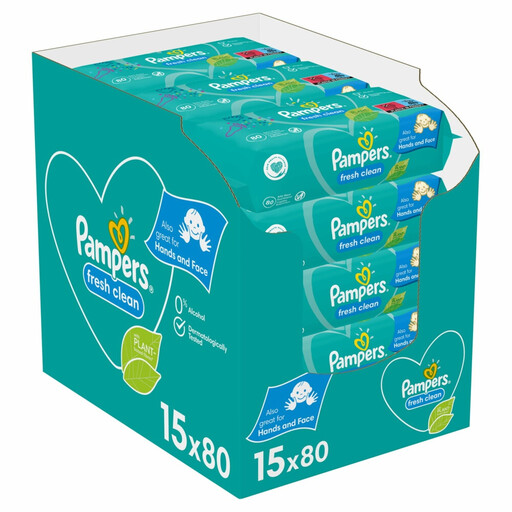
Why it suits this profile: A multipack of 15 packs, each containing 80 wipes, is practical for families who use baby wipes regularly at home and when out and about.
The product information says the pack has a seal to help keep the wipes moist. Check the ingredients and the description of the scent as gentle if you want to avoid perfume.
15 x 80 wipes, alcohol-free according to the product description, and designed for hands, face and bottoms.
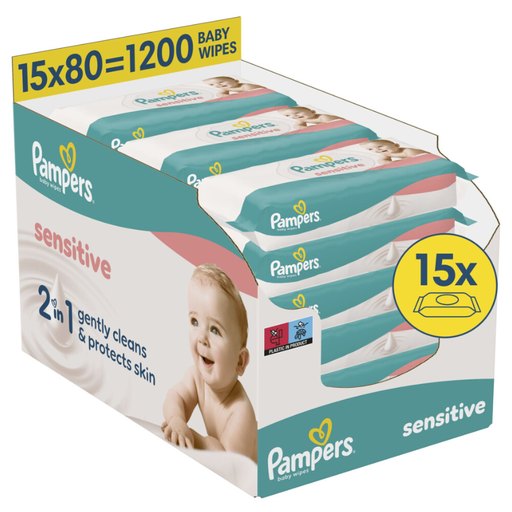
Why it suits this profile: This multipack is aimed at parents looking for a fragrance-free formula and clear product information confirming it can be used from birth.
According to the product information, these baby wipes are free from alcohol, perfume and colourants. If your baby has sensitive skin, it’s still important to try them on a small area first.
1,200 wipes, product information about pH, dermatologically tested according to the manufacturer, and a resealable pack.
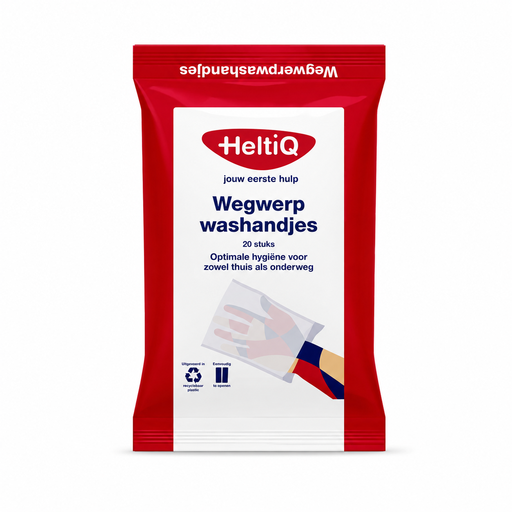
Why it suits this profile: Dry disposable washcloths are suitable for travel, camping, sport, care at home and situations where water is available separately.
The cloths are dry and not pre-moistened. So you’re not paying for moisture that’s been added in advance, and you can use water yourself when needed.
20 large, dry washcloths made from non-woven material; designed for single external use and easy to dispose of after use.
We’ve put together a complete, up-to-date list of products that meet these strict selection criteria and the relevant European safety regulations.
It depends on the ingredients and how your skin reacts. If you want to avoid these ingredients, look for wipes without perfume, alcohol and colourants. “Sensitive” or “hypoallergenic” isn’t a universal guarantee. Try a new product on a small area of skin first, and stop using it if irritation occurs.
Check the expiry date, the period after opening and the instructions on the pack. A well-sealed lid or flap helps prevent the wipes from drying out, but replace the pack if the wipes have changed colour, smell unusual or show visible signs of deterioration.
In most cases, no. Even sturdy baby wipes and nappy wipes can get caught in pipes. Put them in a bin unless the packaging clearly says otherwise. For everyday toilet use, moist toilet wipes are only suitable if you follow local regulations and the instructions on the label.
