
Vandaag of morgen in huis

Kwaliteit gegarandeerd

Welkomstaanbiedingen ontgrendelen: GRATIS bezorging | Tot 80% korting | Gratis 30 dagen JoyPlus-proefperiode
Download de app
Wet wipes are handy for a quick change, a spilt drink or a clean surface. However, not every pack is suitable for every use. Baby wipes for the skin have different properties from wet cleaning wipes for kitchens, floors or glass.
Choosing the right product helps prevent irritation, streaks, waste and blocked pipes. So don’t just look at the number of wipes or an attractive claim on the packaging. Pay particular attention to the intended use, ingredients and instructions.
A wipe designed for the skin is not automatically suitable for a worktop or toilet. Conversely, cleaning products can cause skin irritation when they are intended for surfaces. Always check whether the product is intended for:
Use antibacterial wipes and all-purpose cleaning wipes only as directed on the label. A claim such as “removes bacteria” should be understood as a statement made by the brand, not as a general guarantee for every situation.
For sensitive skin, fragrance may be an unwanted ingredient. So check the full product information and look specifically for fragrance-free wipes, alcohol-free wipes and information about colourants. The term sensitive alone does not always tell you which ingredients have been omitted.
With baby wipes, it is also wise to close the packaging properly after use. A loose lid allows moisture to evaporate and can cause the wipes to dry out more quickly.
Most wet wipes belong in the bin, even when they feel thin. Only when the packaging clearly states that the product is flushable and complies with a relevant standard may this be different. If in doubt, choose the safest option: do not flush it.
Remember that “biodegradable” or “plastic-free” does not automatically mean that a wipe is suitable for the sewer system. The material, moisture content and fibre structure all influence how the product behaves.
For baby care, soft fibres, sufficient moisture and a clear ingredients list are particularly important. Pampers Sensitive, for example, states that it has an alcohol- and fragrance-free formula, while the product information for BC Babycare mentions 99% purified water and plant-based fibres.
If you are looking for less synthetic material, look for plastic-free wipes or biodegradable wipes. However, check whether this claim comes from the manufacturer and whether the information on the packaging matches the product page.
Use wipes for sensitive skin cautiously at first. Stop using them if redness, irritation or discomfort occurs, and follow the safety instructions on the packaging.
A larger or thicker wipe can be more practical for bigger cleaning jobs. According to the product information, the Sleepy Wipes Easy Clean 4XL measure 25 × 25 cm. This is particularly relevant for surfaces, spilt liquids and larger stains.
The number of wipes per pack also matters for everyday use. A large multipack is convenient for a household with several users, but less suitable if you want to try a product first.
Choose floor wipes for floors, glass wipes for windows and mirrors, and wet cleaning wipes for hard surfaces. A product for glass is usually designed to leave a clear finish without visible streaks. According to the product description, the At Home glass product is intended for windows and mirrors.
For antibacterial wipes, read the contact time and instructions for use. The Dettol product information states a claim of 99.9% removal of bacteria, allergens and dust mites. This is a claim made by the manufacturer; the result depends on correct use and the surface in question.
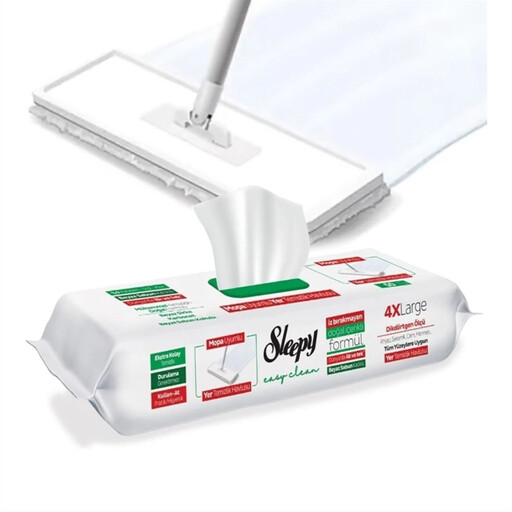
Why it suits this profile: The large 25 × 25 cm size is practical for general cleaning tasks, spilt liquids and larger surfaces.
The clear description as a cleaning wipe prevents you from confusing the product with baby wipes or wipes intended for the skin.
50 wipes per pack, 4XL size and resealable packaging according to the product information.
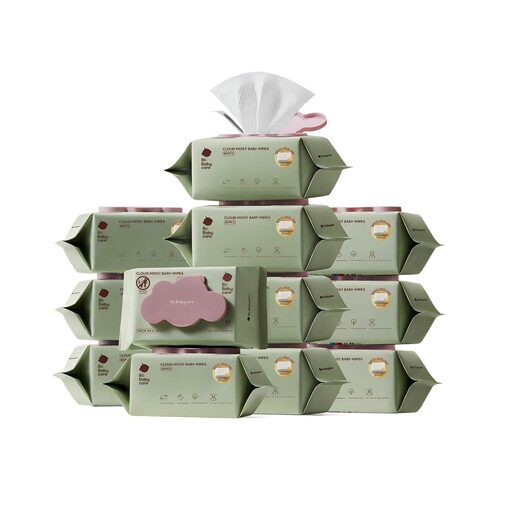
Why it suits this profile: Suitable for households looking for fragrance-free baby wipes with a large supply and extra material thickness.
The product information states that it has an unperfumed formula and plastic-free cellulose fibres, and provides instructions to close the packaging properly.
960 wipes per bundle, 99% purified water according to the product description, and OEKO-TEX certification with the stated certificate number.
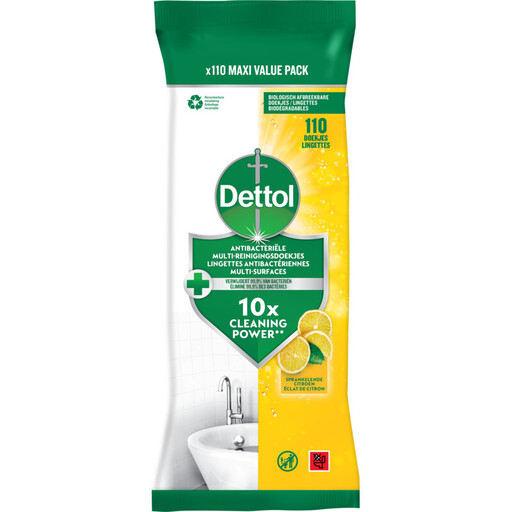
Why it suits this profile: A household that regularly cleans hard surfaces can benefit from a large pack with a clearly defined cleaning purpose.
The product is described as a multi-surface cleaning wipe. This clearly distinguishes it from wipes for babies’ skin or toilet use.
110 wipes per pack, citrus variant and, according to the manufacturer, biodegradable wipes with recyclable packaging.
We have put together a complete, up-to-date list of products that fully meet these strict selection criteria and the applicable European safety regulations.
It depends on the formula. Look for terms such as fragrance-free, alcohol-free and unperfumed. Pampers Sensitive, for example, states that the product is fragrance- and alcohol-free and has been dermatologically tested. This is information provided by the brand; if skin problems persist, it is advisable to seek professional advice.
Close the lid or resealable packaging immediately after use. Store the pack in a cool, dry place, away from direct sunlight and heat sources. Also check the expiry information and the period after opening stated on the packaging.
Not as standard. The packaging must explicitly state that the product is flushable and specify which standard it follows. With most wet wipes, including many baby wipes and cleaning wipes, the used wipe belongs in the bin. This helps prevent blockages in pipes and the sewer system.
