
Livraison le jour même et le lendemain

Qualité garantie

Débloquez vos offres de bienvenue: Livraison GRATUITE | Jusqu'à -80 % | 30 jours d'essai gratuits à JoyPlus
Téléchargez l'application
An upper-arm blood pressure monitor is a practical choice if you want to take regular readings at home. However, models can vary considerably in cuff size, controls, memory and power supply. A low price doesn’t always mean a product is easy to use, while a long list of features doesn’t automatically make a device right for your needs.
The following points will help you compare automatic blood pressure monitors and find the right one for you.
The cuff should fit snugly around your upper arm. If it’s too small or too large, it may affect the reading. Always check the size range in centimetres and measure your bare upper arm before ordering.
An upper-arm blood pressure monitor with a large cuff is often more practical in households where several adults share the same device. Models with a range of, for example, 22 to 42 cm fit many adult arms, but always check against your own measurements.
A large screen is useful, especially for older people, but take a look at the buttons and how the information is laid out too. An upper-arm blood pressure monitor with a large display should show systolic pressure, diastolic pressure and heart rate clearly and separately. Small icons, unclear messages or complicated menus can make everyday use more difficult.
A model with a single start button may be a better choice for parents or grandparents than a device with lots of settings they’re unlikely to use.
Some devices display an alert if they detect a potentially irregular heartbeat. This is a signal during the reading, not a medical diagnosis. Smartwatches that show blood pressure, oxygen levels or heart rate are not automatically a replacement for an upper-arm blood pressure monitor either.
According to some brands’ product information, algorithms or sensors can record certain readings. Treat this data as additional information, and never change your medication yourself based on a single reading.
For an upper-arm model, it’s best to take a reading while seated, after resting for a few minutes, with your arm supported at heart level. Place the cuff on your bare upper arm and follow the instructions for use. Don’t talk or move while taking a reading.
When comparing models, look for:
A blood pressure monitor with memory means you don’t have to keep writing down your results by hand. A separate user profile is useful for two people. Check how many readings are stored for each person and whether the date and time are saved with them.
An average of the last three readings can help prevent individual outliers from carrying too much weight. It’s no substitute for an assessment by a doctor, but it can make it easier to see how your readings are changing when you have an appointment.
A digital blood pressure monitor usually runs on batteries, and some models also offer USB power. Check in advance whether batteries and an adapter are included. Some models come with a USB cable but no mains adapter.
An automatic blood pressure monitor with large numbers, few buttons and automatic shut-off is often a good choice for everyday use. A built-in blood pressure monitor with heart rate measurement is common. An alert for a potentially irregular heartbeat can provide additional information, but should always be interpreted with care.
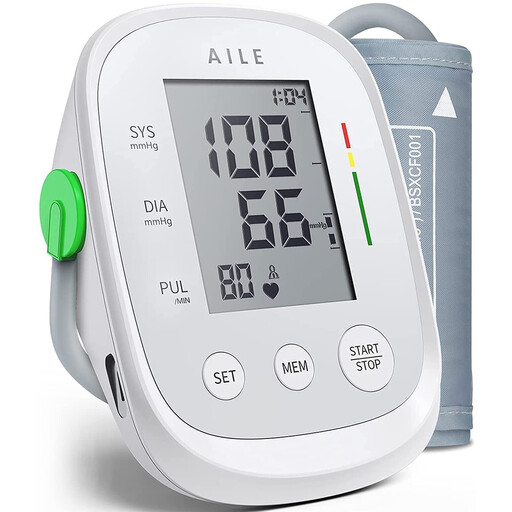
Why it suits this type of user: This model has automatic operation, a 22–42 cm cuff and two user profiles. It’s a good choice for simple readings at home without lots of settings to navigate.
The wide-ranging cuff means you don’t have to rely on a standard size alone. Check that 22–42 cm is suitable for your arm. A USB cable is included; batteries and a mains adapter are not.
2 × 99 memory slots, an average of the last three readings and a large digital screen, according to the product description.
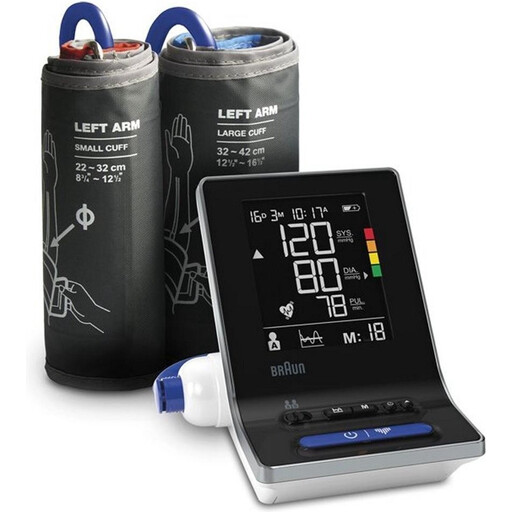
Why it suits this type of user: This model comes with two cuffs, including one for larger upper arms, making it a good option for households with several users.
Having two cuffs reduces the risk of a single fixed size not fitting properly. According to Braun’s product information, it also has an alert for a potentially irregular heartbeat.
Two users, 40 memory slots, an average of three readings and a large backlit display, according to the product specifications.
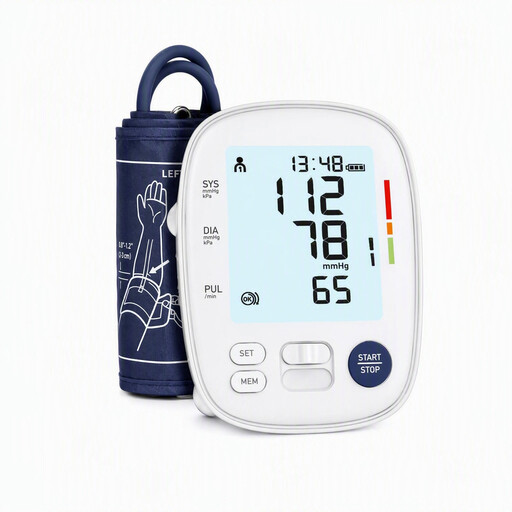
Why it suits this type of user: Its generous storage, USB power and large screen make it a good fit for families who take frequent readings or want to keep results over a longer period.
The product description mentions checks for cuff positioning and body movement. These can help you spot errors during use, but correct posture is still essential.
22–42 cm cuff, 2 × 120 memory slots, an average of three readings and the option to use batteries or USB power.
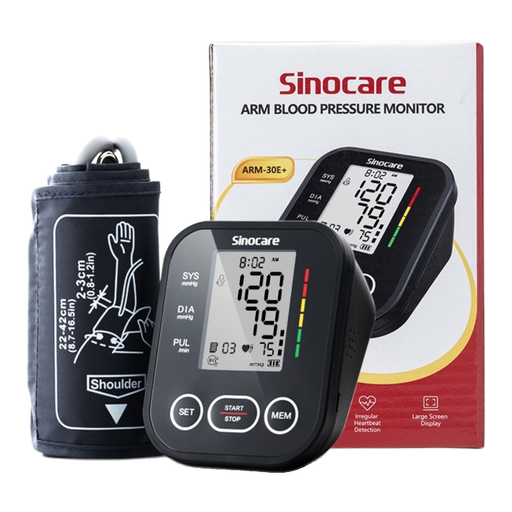
Why it suits this type of user: The one-button operation and 3.6-inch LCD screen make it easy to use for anyone who simply wants to take a reading.
The large screen and simple controls mean there are no unnecessary menus to navigate. Make sure the supplied cuff fits the user’s arm.
One-button operation, 3.6-inch LCD screen, batteries included and an alert for a potentially irregular heartbeat, according to the product information.
We’ve put together a complete, up-to-date list of products that meet these strict selection criteria and the applicable European safety regulations.
Always use the same arm and, ideally, take readings at similar times. Rest for a few minutes first, position the cuff correctly and sit still. If you want to compare trends, make a note of factors such as exercise, stress or caffeine consumption too.
Clean the cuff and casing according to the instructions. Store the device somewhere dry and check the batteries regularly. A blood pressure monitor can be useful for home monitoring, but its readings are not a diagnosis. Contact a healthcare professional if you have consistently high readings, unusual alerts or any concerns about how you’re taking your readings.
An upper-arm monitor is a popular choice for taking readings at home because the cuff goes around your upper arm. A wrist monitor may be more compact, but it needs to be positioned very accurately at heart level. Always follow the instructions for use and choose a model that suits your routine.
Its lifespan depends on how often it’s used, how it’s stored, the batteries and the condition of the cuff. Check the instructions for advice on maintenance and replacement. A device may continue to work technically, even when a worn or damaged cuff is less practical to use. Only replace parts with ones suitable for your model.
Ongoing costs are usually limited to batteries and, if needed, a replacement cuff. Models with USB power can reduce battery use, but check whether a mains adapter is included. If the device has an app or Bluetooth, setup and compatibility with your phone may also be important.
