
Same-day & Next-day Delivery

Quality Guaranteed

Unlock Your Welcome Offers: FREE Delivery | Up to 80% OFF | Free 30-day JoyPlus trial
Download the APP
Anyone looking for home medical measuring equipment will quickly come across dozens of blood glucose meters, blood pressure monitors, thermometers and pulse oximeters. The differences aren’t just in the price. Compatibility, ease of use, accessories and how results are stored all determine whether a device remains pleasant to use in practice.
For families, older people, carers and anyone who wants to monitor their health regularly, there are three common pitfalls:
First, decide what you actually want to measure. A blood glucose meter or blood sugar meter with test strips is designed for personal self-tests using a small amount of blood. Check how much blood is needed, how quickly the result appears, and whether the test strips are compatible with the correct model.
An upper arm blood pressure monitor is practical for most households thanks to its fixed position around the upper arm. A wrist blood pressure monitor is compact and suitable for on the go, but your wrist must remain precisely at heart level during the measurement.
A pulse oximeter, also known as a finger oxygen meter, typically displays oxygen saturation and heart rate. Cold hands, nail polish, artificial nails and movement can affect the reading. Use the result as information for home monitoring, not as an independent medical judgement.
With a blood pressure monitor, the size of the cuff is a more important purchase criterion than just the number of memory slots. Measure your arm circumference and compare it with the product specification. The AILE Automatic Upper Arm Blood Pressure Monitor has a cuff for 22 to 42 cm according to the product information. The Yuwell YE670A(S) states a range of 22 to 45 cm.
Also look out for:
A CE marking indicates that the manufacturer declares compliance with relevant EU requirements. It is not a ranking and does not in itself say which device is suitable for every user. Always check the manual, manufacturer details and local availability of support.
With a blood glucose meter, you need to check whether strips only work with one specific model. The Sinocare Safe-Accu2 set includes 50 test strips, 50 lancets, a lancing device, meter, manual and storage case according to the product description. The Yuwell Model 710 also states 50 strips and 50 lancets, but according to the product information it only accepts strips of the same model and brand.
With a smart scale, Bluetooth version, app support, maximum user weight and placement advice are all relevant. A body fat scale generally works most consistently on a hard, flat surface. The extra values, such as BMI, muscle mass or body fat percentage, are reference data and not a diagnosis.
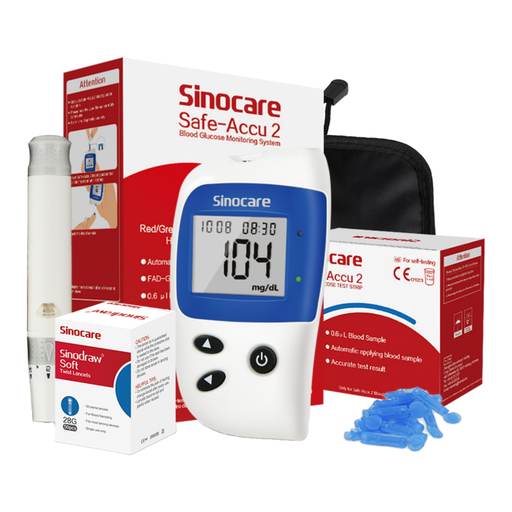
Why it fits this profile: The set includes strips, lancets and a lancing device straight away, so you don’t have to source all the components separately. According to the product description, 0.6 μL of blood is needed and the result appears within 10 seconds.
The included test strips make the initial costs clearer. Do check the expiry date and future price of compatible strips before purchasing.
Large screen, storage for 200 results and a compact set for personal use.
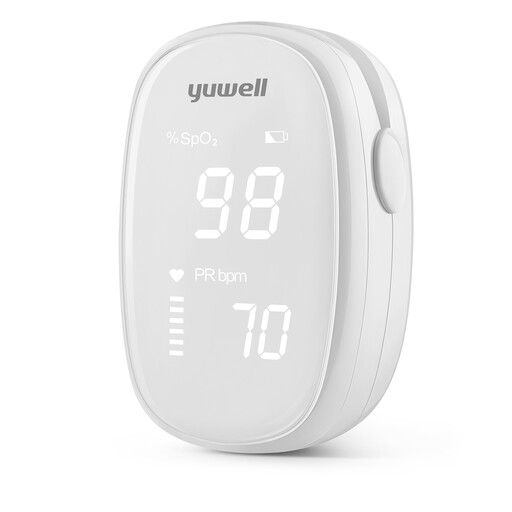
Why it fits this profile: This model is designed for easy reading by adults and children. According to the product information, it has a large LED screen, automatic shut-off and two included AAA batteries.
The manual states that the device is not intended for continuous monitoring or diagnosis. This prevents a home reading from being interpreted too broadly.
Suitable for different finger sizes according to the product information, with a light-blocking silicone chamber and automatic shut-off.
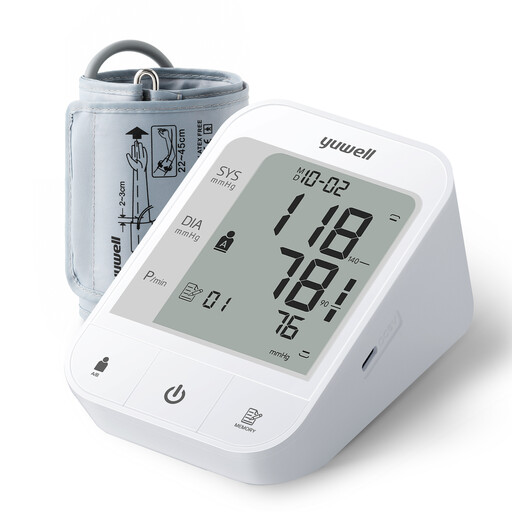
Why it fits this profile: The upper arm cuff from 22 to 45 cm and two user profiles with 99 memory slots each are practical for families or regular home measurements.
The wide cuff reduces the chance of an incorrect fit. The product specification also mentions a reminder for incorrect use.
Average of the last three readings, large screen, USB cable and four AA batteries according to the product information.
We’ve put together a full, up-to-date list of products that fully meet these strict selection criteria and current European safety regulations.
The usefulness depends on the type of device, the fit, the method of use and maintenance. Compare the technical specifications with your situation and follow the instructions carefully. A home meter supports health monitoring at home, but does not replace a diagnosis or treatment by a doctor.
The lifespan varies by brand and model. Check the warranty, battery life and availability of replacement accessories. With glucose meters, the expiry date and storage of test strips are particularly important. Store strips sealed and do not use them after the stated date.
For a blood glucose meter, test strips and lancets are recurring costs. A blood pressure monitor, thermometer or pulse oximeter mainly requires batteries. A smart scale may also need an app and Bluetooth connection. So check not only the purchase price, but also the long-term costs and availability of parts.
