
Vandaag of morgen in huis

Kwaliteit gegarandeerd

Welkomstaanbiedingen ontgrendelen: GRATIS bezorging | Tot 80% korting | Gratis 30 dagen JoyPlus-proefperiode
Download de app
Ordering a supply of sugar-free soft drinks seems simple. Yet many shoppers only compare the words “zero”, “light” or “sugar-free” on the front. As a result, they may end up with a multipack that does not suit their preferred flavour, occasion or desired nutritional profile.
Three common pitfalls are:
Use the nutritional values per 100 ml to compare products fairly. Many types of zero sugar soft drink contain 0 g sugar per 100 ml, but that does not mean every product labelled “no added sugar” has the same nutritional profile.
For example:
A tropical fruit drink with no added sugar can therefore differ from a sugar-free cola. Also check whether the packaging says “sugar-free” or only “no added sugar”.
If you want to enjoy a soft drink in the evening, at the office or during family time, a caffeine-free option may be a good choice. According to the product description, Coca-Cola Zero Sugar Caffeine Free Cola 24 x 330 ml is a cola with no sugar and no caffeine.
Energy drinks are a different category. According to the listed ingredients, Monster Energy Ultra White contains 0.03% caffeine, as well as taurine and sweeteners. Slammers Sugar-Free Energy Drink states 0.032% caffeine. For products containing caffeine, check the warning on the label and follow the manufacturer's usage information. The presence of B vitamins is not a reason to present any effects or health benefits as established facts.
Also look out for sweeteners such as aspartame, acesulfame-K, sucralose or steviol glycosides. Products containing aspartame contain a source of phenylalanine. This is stated in the product information for several products and is relevant for people who need to follow this warning.
The choice between zero soft drink cans, a soft drink multipack or larger packs depends on how you intend to use them:
Compare both the total volume and the price per litre. A 24-pack of 330 ml contains 7.92 litres. A 12-pack of 330 ml contains 3.96 litres. This helps you avoid leaving a large box unused because you do not actually like the flavour.
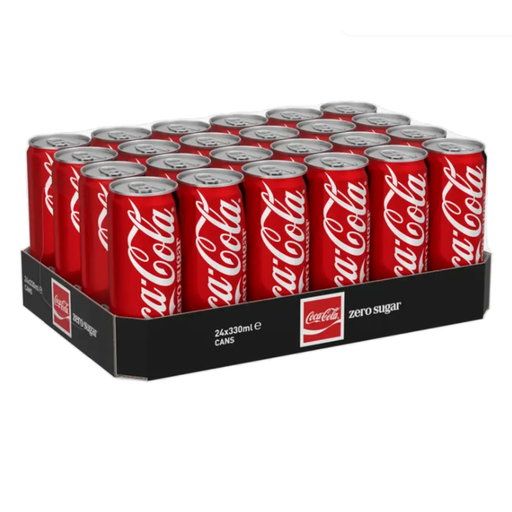
Why it suits this profile: A familiar cola in a large pack for home, guests or sharing.
The pack states 24 x 330 ml and 0 g sugar per 100 ml. However, check the current ingredients list on the can before buying.
24 x 330 ml cans; according to the product information, 0 kcal and no added sugar.
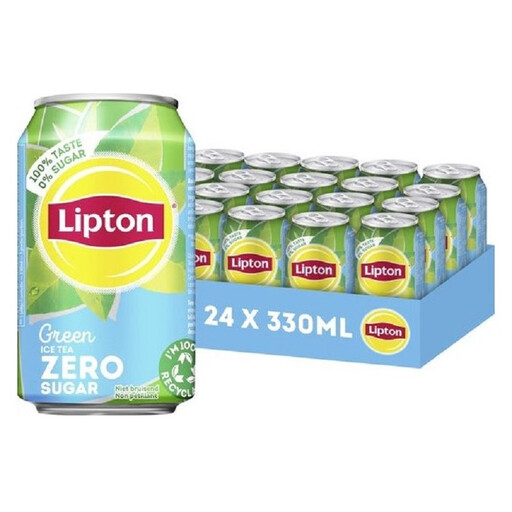
Why it suits this profile: An alternative to cola for anyone looking for a tea and citrus flavour in a large multipack.
The product information states 0 g sugar and 1 kcal per 100 ml. Always compare this with the packaging, as recipes may change.
24 x 330 ml cans; green tea extracts, citrus flavour and sweeteners listed in the ingredients list.

Why it suits this profile: Designed for people looking for a larger energy drink with a citrus profile for work or when travelling.
The product details state 12 x 500 ml and 0 g sugar. The caffeine content of 0.03% is listed; check the warnings before consumption.
Citrus flavour; 12 large cans; according to the product information, 12 kcal per 100 ml and no sugar.

Why it suits this profile: For anyone who does not want a classic cola but prefers a tropical fruit drink with a distinctive flavour profile.
The pack contains 12 x 330 ml, allowing you to try a new flavour without immediately buying a large supply.
30% passion fruit juice according to the product information; no added sugar; 17 kcal per 100 ml.
We have compiled a complete, up-to-date list of products that fully meet these strict selection criteria and the applicable European safety regulations.
No, although they usually are, so check the nutrition table. Colas containing 0 g sugar often have very few calories. Fruit drinks with no added sugar may contain more calories and natural sugars because of fruit juice or fruit purée.
It varies by product. Coca-Cola Zero Sugar Soda contains caffeine, while Coca-Cola Zero Sugar Caffeine Free is caffeine-free according to the product description. Always check the ingredients list and any caffeine warning on the packaging.
Store unopened cans according to the instructions on the label, usually in a cool, dry place away from direct sunlight. The specific best-before date is shown on the packaging. Once opened, refrigeration and prompt consumption are advisable. When your order arrives, also check that the cans are not damaged.
