
Same-day & Next-day Delivery

Quality Guaranteed

Unlock Your Welcome Offers: FREE Delivery | Up to 80% OFF | Free 30-day JoyPlus trial
Download the APP
Drinking less sugar is a smart choice, but the search for the right sugar-free soft drink can feel like navigating a maze. The shelves are packed with 'zero', 'light', and 'low-calorie' options, but which one is truly right for you? Before you stock up on an entire case of zero-sugar soda, it's wise to know what to look for. Many people fall into the same traps, leading to a pantry full of drinks that nobody enjoys.
As a Product Recommendation Officer at Joybuy, I see the challenges consumers face every day. These are the most common mistakes:
This guide will help you avoid these pitfalls and make an informed choice that suits your taste and budget.
To prevent disappointment, it's helpful to pay attention to a few key specifications. These are the factors that truly make a difference.
The flavor of a soft drink without sugar is entirely determined by the sweeteners used. Not every sweetener tastes the same, and personal preference plays a major role. The most common ones are:
Check the label to see which sweeteners are included. If you didn't like a drink with aspartame, for example, you could try a variant with sucralose next time.
Low-calorie drinks are available in all sorts of formats: cans, small bottles, and large 1.5-liter bottles. Smart shoppers look beyond the total price.
The smartest approach is to compare the price per liter. Divide the total price by the total number of liters in the package. This will instantly show you which sugar-free soft drink deal is truly the best value.
Many cola and energy drink varieties contain caffeine. While this isn't an issue for many, others specifically look for a caffeine-free, sugar-free soft drink, for instance, for evening consumption or for children. Brands are increasingly offering specific variants for this purpose. Always check the label if you want to avoid caffeine.
To help you get started, we've matched some popular options with different user profiles.
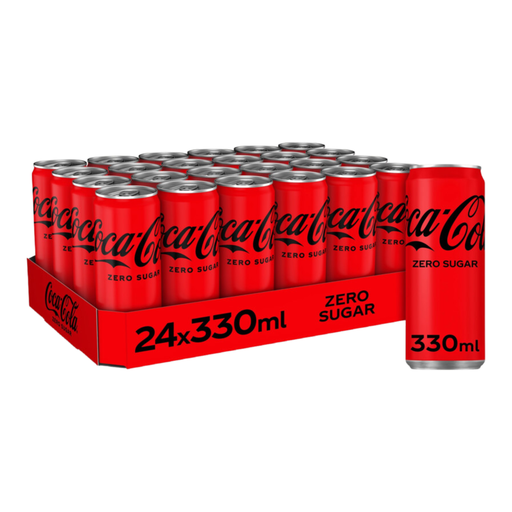
Why This Fits Their Persona: Ideal for those who want a reliable supply for the family, office, or events. The classic flavor is a hit with most people, and the cans are practical to use.
By opting for a globally recognized flavor, you minimize the risk of an 'aftertaste' disappointment with a bulk purchase. Everyone knows what to expect.
Classic cola flavor without sugar and calories. Convenient case packaging for easy storage and distribution.

Why This Fits Their Persona: Perfect for those who want to enjoy a glass of cola on the couch in the evening without worrying about sugar or caffeine disrupting their sleep.
This product addresses a frequently overlooked 'hidden' attribute: caffeine. It prevents the disappointment of a drink you can't enjoy at any time of day.
The familiar taste of Coca-Cola Zero, but completely caffeine-free. Ideal for any time of day.
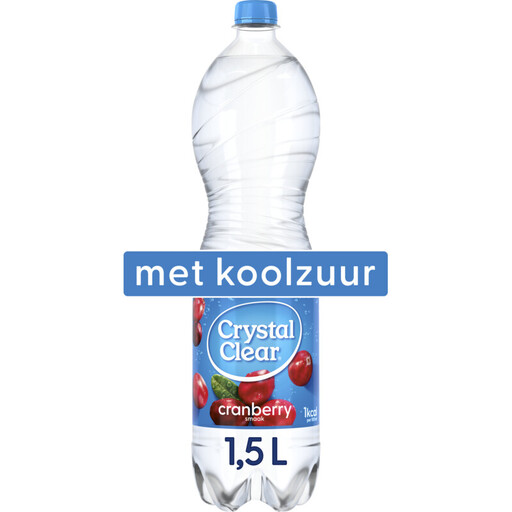
Why This Fits Their Persona: For those who want a change from the standard cola or lemon-lime flavors. This is a refreshing, fruity, and light alternative that is still sugar-free.
This isn't a 'zero' version of an existing sugary drink, but a standalone product. This helps you avoid direct comparisons and potential disappointment over flavor differences.
A very **low-calorie drink** (only 1 kcal per 100 ml) with a refreshing and natural fruit flavor. An excellent alternative to traditional soft drinks.
We've curated a complete, up-to-date list of products that meet these strict selection criteria.
Although both versions are typically sugar-free and low in calories, the difference lies mainly in marketing and flavor profile. 'Zero' variants are often developed to mimic the taste of the original, full-sugar version as closely as possible. 'Light' drinks, on the other hand, often have their own distinct, lighter, and sometimes different flavor that has been around for years. Ultimately, they are both forms of soft drinks without sugar.
The most commonly used sweeteners are aspartame, acesulfame-K, sucralose, and steviol glycosides (stevia). All of these substances have been extensively reviewed and approved for consumption by the European Food Safety Authority (EFSA). They are considered safe for use in food products within the established acceptable daily intake.
A good deal is more than just a low price. Pay attention to the following points:
