
Vandaag of morgen in huis

Kwaliteit gegarandeerd

Welkomstaanbiedingen ontgrendelen: GRATIS bezorging | Tot 80% korting | Gratis 30 dagen JoyPlus-proefperiode
Download de app
Would you like to drink less sugar but still keep soft drinks at home for meals, guests or the office? Sugar-free soft drinks may seem like an easy choice. However, terms such as “zero”, “no sugar” and “low sugar” can be confusing. One drink may contain no sugar, while another variant with no added sugar may still contain naturally occurring sugars.
The pack size also makes a difference. A large soft drink multipack can offer good value, but takes up more storage space and may not suit your consumption habits. With these practical checks, you can compare sugar-free soft drinks, low-calorie soft drinks and fruit drinks based on product details rather than just the front of the packaging.
Soft drinks with no added sugar may still contain sugars from fruit juice or fruit purée. So always check the nutrition table. Pay particular attention to:
For example, a product may state “no added sugar” but still contain sugar because of its fruit ingredients. According to the product descriptions, Iam Superjuice fruit drinks contain 30% fruit juice or fruit ingredients; check the current packaging for the exact nutritional values.
Zero-sugar soft drinks generally contain no sugar, but may still contain sweeteners and caffeine. This is particularly relevant if you want something to drink in the evening or prefer to avoid caffeine.
According to the product information, Coca-Cola Zero Sugar Soda contains caffeine and sweeteners such as aspartame and acesulfame-K. By contrast, the caffeine-free Coca-Cola Zero Sugar Caffeine Free variant contains no caffeine. Products containing aspartame contain a source of phenylalanine. So read the ingredients list if this is important to you.
A tray of 24 cans may seem appealing for a household, office or party. However, the price per litre is the right comparison. To calculate it:
Total price ÷ total number of litres = price per litre
A 330 ml soft drink can is convenient as an individual serving and cools quickly. A pack of 12 cans is often more practical if you want to try a flavour first. A 24-pack is better suited to regular use, provided you have enough cool, dry storage space.
Always compare the same unit of measurement. The nutritional value per can can be misleading when packs come in different sizes. Coca-Cola Zero Sugar Caffeine Free lists 0 g of sugar and 0.3 kcal per 100 ml. According to the supplied product information, Pepsi Zero Sugar Peach lists 0 g of sugar and 0 kcal per 100 ml.
Fruit drinks often have higher values, even when no sugar has been added. Iam Superjuice Mango lists 17 kcal per 100 ml and 30% mango. Iam Superjuice Lychee lists 15 kcal per 100 ml and 30% lychee juice. This information comes from the product descriptions; always check the packaging before buying.
Pay attention to the difference between sugar, fruit juice and sweeteners. Many sugar-free cola variants use a combination of aspartame, acesulfame-K or sucralose. If you want to avoid a particular sweetener, you therefore need to look beyond the claim on the front of the pack.
Also check allergens and warnings. Coca-Cola Zero Sugar Caffeine Free does not list any of the 14 major EU allergens, but it does contain a source of phenylalanine. The product packaging remains the most up-to-date source for ingredients, allergens and usage advice.
Make your choice based on when and how you plan to enjoy the drink:
Remember that “fruit drink” is not the same as pure fruit juice. Check the fruit content, sweeteners and nutritional values.
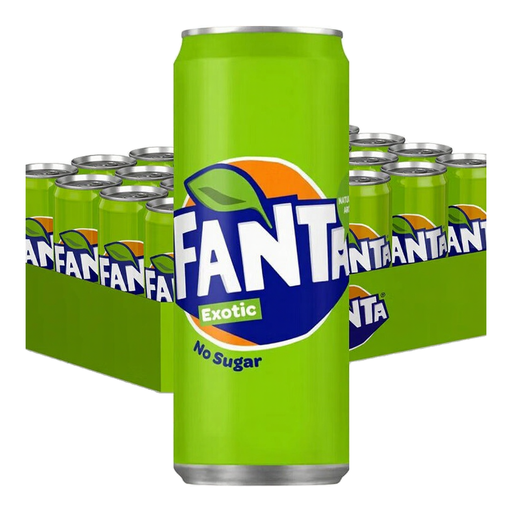
Why it suits this profile: A 24-pack of 330 ml cans is easy to manage at home, when entertaining guests or for a small party. The exotic flavour offers an alternative to standard cola.
The name states “No Sugar”, but check the current ingredients and nutrition table on the packaging before drinking.
24 x 330 ml cans; distinctive tropical flavour profile; best served chilled.

Why it suits this profile: Ideal if you value a clear fruit profile more than a cola flavour. The tray is suitable for enjoying at home, with meals or when sharing.
The product description states that no sugar has been added, but also mentions fruit ingredients. So check the current sugar content per 100 ml.
30% mango according to the product description; 17 kcal per 100 ml according to the supplied nutritional information; 12 cans of 330 ml.

Why it suits this profile: A practical supply for offices and households, as well as occasions when you want a cola without sugar and caffeine.
The product information explicitly states zero sugar and caffeine free. Nevertheless, check the packaging for ingredients, warnings and the best-before date.
24 x 330 ml; according to the product information, 0 g of sugar and 0.3 kcal per 100 ml; caffeine-free cola.
We have put together a complete, up-to-date list of products that fully meet these strict selection criteria and the applicable European safety regulations.
Use this quick checklist before placing an order:
In practice, “zero sugar” usually refers to a product containing 0 grams of sugar according to the nutrition table. Always check the current packaging, as ingredients and nutritional values can vary between variants. “No added sugar” does not automatically mean that no sugars are present at all.
This is stated in the ingredients list or product description. According to the supplied product information, the Coca-Cola Zero Sugar Caffeine Free variant contains no caffeine. Regular cola zero and some Pepsi variants may contain caffeine.
That depends on the total price, number of cans and volume. Calculate the price per litre and take waste into account if you are not yet familiar with the flavour. For regular use, 24 cans of 330 ml are practical; for trying a new flavour, a tray of 12 may be more suitable.
