
Same-day & Next-day Delivery

Quality Guaranteed

Unlock Your Welcome Offers: FREE Delivery | Up to 80% OFF | Free 30-day JoyPlus trial
Download the APP
As a Product Recommendation Officer at Joybuy, I see a lot of products come and go. Shrimp gyoza is one of those products that's always in high demand. It's the perfect quick meal or snack: flavourful, convenient, and ready in minutes. But not every bag of frozen gyoza is a winner. The packaging often makes big promises, but the contents can be disappointing. Before you stock your freezer, it's worth knowing what to look for to avoid a bad buy.
The most common pitfalls when buying frozen gyoza are:
To avoid these issues, pay attention to a few key specifications. You can usually find them right on the packaging or in the online product description.
The most important quality indicator is the shrimp percentage. A higher percentage typically means a fuller, richer flavour and a better texture. Products with less than 20% shrimp often contain more cabbage, vegetables, or other fillers to create bulk. Check the ingredient list for the percentage of shrimp (sometimes listed as prawns or shrimp). A percentage of 25% or higher is a good sign.
The wrapper is crucial to the eating experience. Japanese dumplings like gyoza are known for their thin wrappers. This allows the bottom to become golden-brown and crispy during pan-frying, while the rest of the dumpling is gently steamed. A wrapper that's too thick quickly becomes soggy and overpowers the flavour of the filling. The wrapper ingredients are usually simple: wheat flour, water, and a little oil.
A short, clear ingredient list is often a good sign. Besides shrimp and vegetables (like cabbage, chives, and ginger), good gyoza contains seasonings like soy sauce and sesame oil. Pay attention to the order: the ingredient with the highest quantity is listed first. Also, always check the allergens. Shrimp gyoza almost always contains gluten (wheat), crustaceans, and often soy and sesame as well.
Based on these criteria, we've highlighted a few options that suit different needs and preferences.
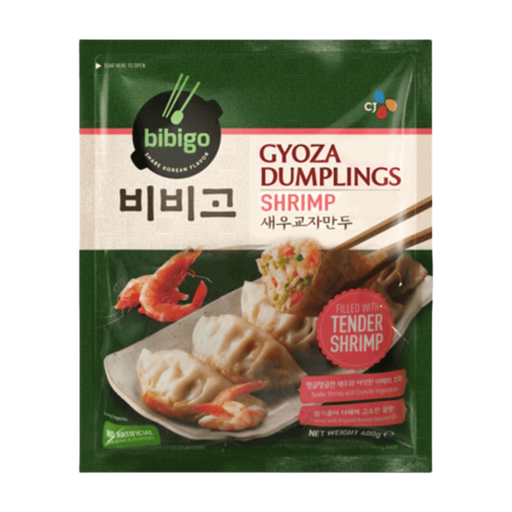
Why This Fits Their Persona: For those who want a reliable and flavourful meal on the table quickly after a long day. Bibigo is a well-known brand that stands for convenience without major compromises on taste.
Bibigo clearly lists its ingredients and the shrimp percentage (21.44%), so you know what you're buying and can avoid the pitfall of a vague ingredient list.
Contains a filling of shrimp and various vegetables (cabbage, carrot, green beans). The short preparation time fits a busy lifestyle.
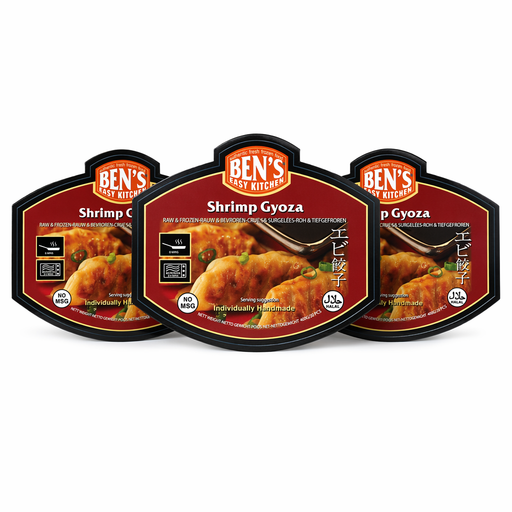
Why This Fits Their Persona: For the enthusiast seeking the best flavour and texture. This person reads the fine print and wants a product with a high-quality filling.
With a shrimp percentage of 34.90%, this product tackles the biggest pitfall: a meager filling. Here, you get a gyoza that actually tastes like shrimp.
Very high shrimp content for a full flavour. The filling also includes shiitake mushrooms and chives, which creates a more complex flavour profile.
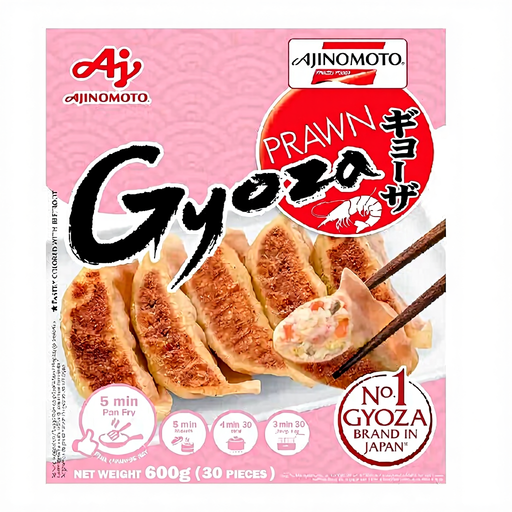
Why This Fits Their Persona: Ideal for families or anyone who likes to keep their freezer stocked. A larger package from a reliable brand offers convenience and good value for money.
Ajinomoto is an established Japanese brand. Their gyoza are designed for the classic pan-fry method, helping you easily avoid the pitfall of a soggy texture.
Contains 30 pieces per 600g package. At 27%, the shrimp percentage is more than sufficient. A versatile product from a top-tier brand in Asian cuisine.
We have a complete and up-to-date overview of products that meet these selection criteria. Find the gyoza that's right for you.
The most common method is the pan-fry and steam technique. Heat a tablespoon of oil in a non-stick pan over medium-high heat. Place the frozen gyoza flat-side down and fry for 2-3 minutes until the bottoms are golden-brown. Carefully add about 60-100 ml of water (watch out for splattering), cover the pan with a lid, and let them steam for 5-7 minutes until the water has nearly evaporated. Remove the lid and continue to fry for another 1-2 minutes until the bottom is crispy again.
Gyoza is the Japanese version of the Chinese jiaozi. The main difference is that gyoza often have a thinner wrapper and a more prominent garlic flavour. They are typically pan-fried and steamed (as described above), whereas other dumplings are more often just boiled or steamed.
To prevent freezer burn, it's important to seal the bag as airtight as possible. Squeeze the excess air out of the original packaging and close it with a clip. For even better storage, you can place the gyoza, still in their original bag, inside a resealable freezer bag or container. Never refreeze them after they have been thawed.
