
Same-day & Next-day Delivery

Quality Guaranteed

Unlock Your Welcome Offers: FREE Delivery | Up to 80% OFF | Free 30-day JoyPlus trial
Download the APP
Frozen gyoza dumplings are ideal for a quick evening meal, snack or side dish. You can cook them straight from the freezer in a frying pan, steamer basket or saucepan. However, Japanese gyoza and Chinese dumplings can differ considerably in terms of filling, size, cooking method and allergens.
An attractive package does not always tell the whole story. Pay particular attention to the ingredients list, net weight and cooking instructions on the packaging. This will help you avoid buying a large family pack that does not suit your household, or choosing a product you cannot use because of an allergy.
A bag containing 30 pieces may seem like good value, but the weight per piece can vary. So do not compare only the number of dumplings; also compare the net weight and price per 100 grams. A 600-gram pack is often practical for several people, while 300 to 400 grams may be a better fit for a smaller meal or a taster portion.
The words gyoza and dumplings are often used interchangeably. Gyoza usually refers to Japanese dumplings with a thin wrapper, while Chinese dumplings can come in various shapes, with different fillings and cooking methods. However, the name does not tell you everything: check the ingredients and cooking instructions for a realistic overview.
Many products contain wheat or gluten, soya and sesame. Some varieties also contain egg, fish, celery or crustaceans. Even vegetable gyoza may contain soya sauce or sesame oil. Check the current packaging if you need to take an allergy or intolerance into account. The information on a product page is provided as guidance; the label on the product itself remains the definitive source.
The filling determines the flavour and when the product is best used. Chicken gyoza and chicken dumplings are often suitable for a light meal or a side dish. Pork gyoza and pork dumplings generally have a richer, more savoury filling. If you are looking for a beef flavour, you could choose beef gyoza or a variety containing beef and onion.
Pay attention to the stated percentage of meat or vegetables. For example, Freshasia Pork & Chive Dumpling lists 25% pork and 15% chives. Ajinomoto Pork Dumplings list 19% pork and 31% vegetables, including cabbage and onion. These percentages make it easier to compare products objectively.
For a quick snack, 300 to 400 grams is often a manageable amount. Families and households looking to stock up can consider 600 grams or a multipack. Also think about your freezer space and whether you can reseal the pack properly after opening.
A 2 x 600-gram pack is practical if you regularly eat Asian frozen foods. If you want to try different flavours, a mixed pack may be worth considering, but always check exactly which varieties are included.
Not every dumpling is intended for the same cooking method. Check whether the product is suitable for:
Do not automatically defrost frozen dumplings beforehand. Various products are specifically designed to be cooked straight from the freezer. Always follow the cooking method for the specific product.
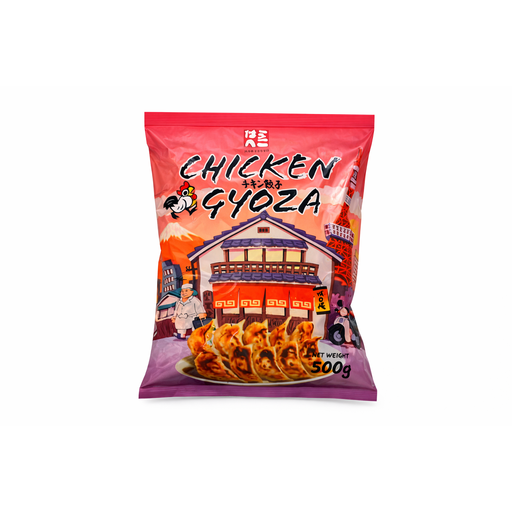
Why it suits this profile: A 500-gram pack gives you enough to prepare a quick meal or snack without immediately stocking up on a large quantity. The product page lists cooking methods for pan-frying, deep-frying and steaming.
The weight is clearly stated and the instructions offer several options. The ingredients list includes chicken, vegetables, wheat and soya; checking the allergens remains important.
500 g pack; cook straight from frozen; suitable for pan-frying, steaming and deep-frying.
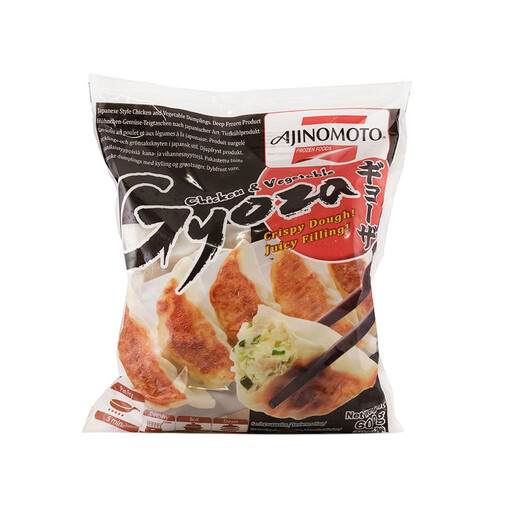
Why it suits this profile: According to the product description, these Japanese-style gyoza combine chicken with a selection of vegetables. The stated nutritional values and allergen information make comparisons straightforward.
The product information lists several cooking methods and describes the filling. Check the physical label, as the product page gives an allergen summary that differs from the stated ingredients.
600 g contents; chicken and vegetable filling; suitable for steaming, pan-frying, boiling and deep-frying according to the product description.
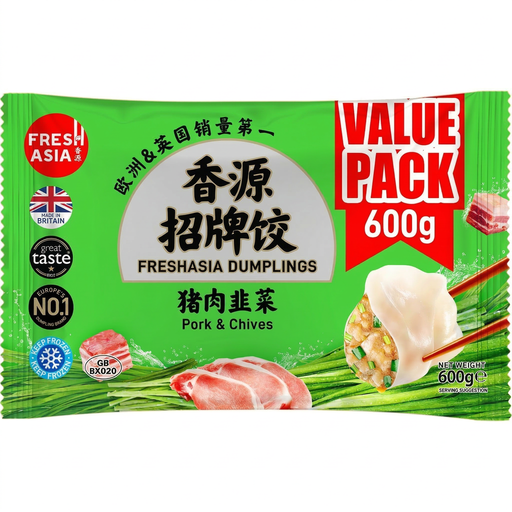
Why it suits this profile: The 600 g value pack is aimed at households that prepare dumplings more often. The combination of pork and chives works well in a savoury meal or on a sharing platter.
The product states the weight, meat and vegetable percentages, and provides a specific cooking method. According to the product information, the packaging contains wheat, egg, soya and sesame.
600 g family pack; 25% pork and 15% chives; boil without defrosting first.
Store frozen gyoza dumplings at the temperature stated on the packaging, usually around -18 °C. Do not allow the product to defrost unnecessarily while shopping or during delivery. According to the product information provided, a product that has been defrosted must not be refrozen.
Cook dumplings thoroughly according to the instructions. Products containing meat, chicken or crustaceans are raw or partially cooked unless stated otherwise. Use clean tongs or a spoon, avoid cross-contamination and check that the filling is piping hot. For Freshasia dumplings, an internal temperature above 70 °C is stated; always follow the current packaging.
We have put together a complete, up-to-date list of products that fully meet these strict selection criteria and the applicable European safety regulations.
Yes, many frozen dumplings are designed to be cooked without defrosting. Fry them in oil first, then add water if the packaging specifies this method. The exact time varies by brand and size.
Follow the stated best-before date and storage temperature. Keep the packaging sealed and avoid fluctuations in temperature. After defrosting, store the product in the fridge and use it within the stated period; refreezing is not recommended.
This depends on the size of the dumplings and what you serve with them. For a light meal, allow around 6 to 10 pieces per person and add, for example, soup, salad or stir-fried vegetables. Check the weight per pack when cooking for a family.
