
Same-day & Next-day Delivery

Quality Guaranteed

Unlock Your Welcome Offers: FREE Delivery | Up to 80% OFF | Free 30-day JoyPlus trial
Download the APP
Quick, flavourful, and surprisingly versatile: frozen gyoza are a lifesaver for many. But anyone who has glanced into a supermarket's freezer aisle knows the selection can be overwhelming. One package promises an authentic Japanese experience, while another tempts you with a low price. The result is often disappointing: dumplings with a skimpy filling, a wrapper that falls apart, or a flavour that's simply lacking.
Before you toss another bag into your basket, it's worth knowing what to look for. Many buyers fall into the same common traps.
By paying attention to a few key points, you can easily avoid these disappointments and find the right Japanese chicken dumplings straight away.
You don't need to be an ingredient expert to make a good choice. It's all about checking a few objective specifications on the packaging.
The most important indicator of quality is the filling. Check the ingredient list for the percentage of chicken. A higher percentage usually means a fuller, richer flavour. Ingredients are always listed in order of weight. Is chicken listed first, or right after the vegetables? Then you're generally in good shape. If water, starch, or a vague "vegetable mix" comes first, the chance of a disappointing filling is much higher. Brands like Ajinomoto and Bibigo often clearly specify the composition, which helps with comparison.
Not all gyoza are created equal. The packaging indicates which method the dumpling is optimised for.
Check if the recommended method matches your preference and kitchen equipment.
Don't be misled by the price per package. A small, inexpensive bag can end up being more expensive per kilo than a larger value pack. If you eat gyoza regularly, it can pay off to stock up on a larger quantity. This is not only more economical but also convenient for unexpected guests or a quick meal. Always compare the price per kilogram to determine the true value.
Based on these objective criteria, we have selected several products that suit different needs.
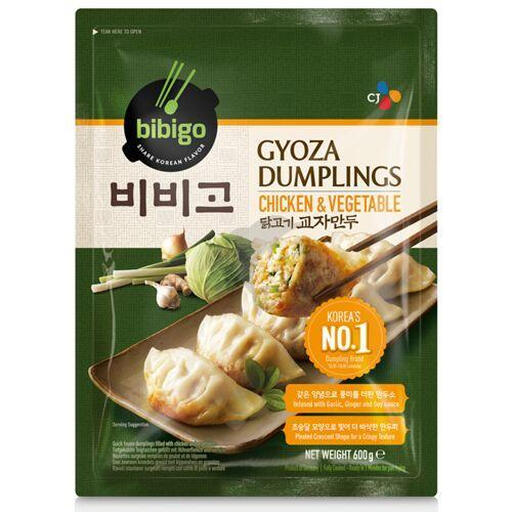
Why This Fits Their Persona: Ideal for those who want to put a nutritious and flavourful meal on the table quickly after a long day. The 600g package is perfect for several meals for one person or a dinner for two.
The ingredient list specifies a chicken meat and skin percentage of 26%, which avoids the "empty filling" trap. The clear pan-frying instructions help prevent the sticky dough problem.
A good balance between chicken and a mix of five vegetables. The gyoza are designed for quick preparation in the pan, ready in about 7 minutes.
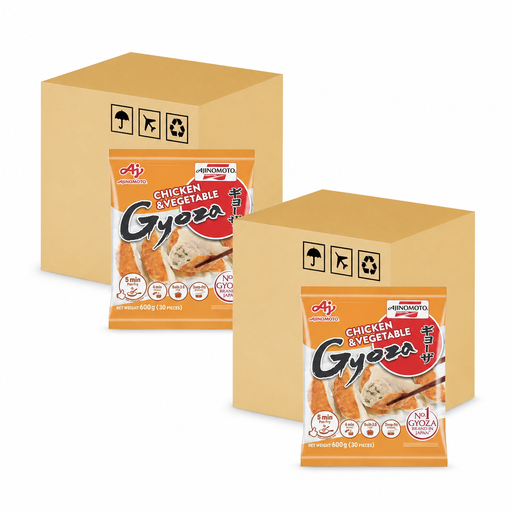
Why This Fits Their Persona: Perfect for large families, meal-preppers, or food service professionals who want to purchase a reliable, high-quality product in bulk. This case provides a substantial supply.
By buying in bulk, you bypass the trap of a high price-per-kilo found in smaller packages. Ajinomoto is an established brand known for its consistent quality and clear ingredient list.
Highly cost-effective due to the bulk packaging (10 x 600g). The gyoza are versatile and suitable for pan-frying, steaming, and boiling, offering flexibility in the kitchen.
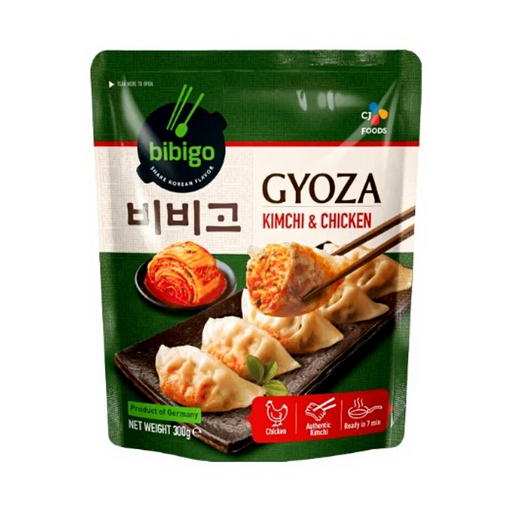
Why This Fits Their Persona: For those who are familiar with standard chicken gyoza and are looking for a new flavour dimension. The addition of kimchi gives a spicy, authentic Korean twist to the familiar dumpling.
This product focuses on a specific, pronounced flavour rather than a vague, generic filling. The combination of chicken and kimchi creates a complex and satisfying taste, thus avoiding the "bland filling" trap.
Offers a unique, spicy flavour experience. According to the manufacturer, Bibigo, the product is ready in 7 minutes, making it a quick and exciting meal option.
For the classic result with a crispy bottom and soft top (also known as yaki-gyoza), follow these steps. Heat a tablespoon of oil in a non-stick frying pan over medium-high heat. Place the frozen gyoza flat-side down in the pan and fry for 2-3 minutes until the bottoms are golden brown. Carefully add about 60-80 ml of water (be careful of splashing) and immediately cover the pan with a lid. Let them steam for 3-4 minutes until the dough is cooked through. Remove the lid and allow the remaining water to evaporate. The bottom will now become extra crispy.
Gyoza are the Japanese version of Chinese jiaozi. The main difference is often in the dough: gyoza wrappers are typically thinner, resulting in a more delicate texture and a crispier finish when fried. The filling in Japanese chicken dumplings is often more finely textured and subtly seasoned with garlic, ginger, and spring onion.
A traditional dipping sauce for gyoza is easy to make yourself by mixing soy sauce with rice vinegar and a few drops of sesame oil. For a bit of heat, you can add chilli oil or finely chopped chilli pepper. If you want to make it easy on yourself, you can also consider a ready-made Delief Gyoza Sauce, which is specially formulated for the perfect balance of salty, sour, and umami.
