
Same-day & Next-day Delivery

Quality Guaranteed

Unlock Your Welcome Offers: FREE Delivery | Up to 80% OFF | Free 30-day JoyPlus trial
Download the APP
Frozen gyoza dumplings are a handy option for a quick meal, party snack or Asian side dish. You simply take the pack out of the freezer and fry, steam or boil the dumplings. However, products vary considerably in filling, size, cooking method and pack weight.
If you only look at an appealing product photo or the word “authentic”, you might be in for a surprise. The points below will help you choose frozen dumplings that suit your household and cooking routine.
A multi-pack may seem good value, but 3 × 500 g of frozen gyoza takes up a lot of freezer space and is really only practical if you regularly cook for several people. For a single-person household or an occasional snack, a 300 g or 400 g pack can be much more convenient.
So don’t just look at the price – also consider:
Not every dumpling is meant to be cooked the same way. Pan-frying gyoza gives a crispy bottom, while steaming produces a softer result. Ha kau prawn dumplings usually have a more delicate, translucent wrapper and are typically steamed.
Check before you buy whether the cooking method suits your kitchen. A product whose instructions only describe steaming in a steamer basket is less practical if you only have a frying pan.
“Dumplings” doesn’t tell you much about what’s inside. Chicken gyoza can also contain vegetables, soya protein and wheat. Prawn gyoza often contains shellfish, while pork gyoza sometimes uses pork fat. With vegan gyoza, you also need to check the ingredients list for dairy, egg and possible cross-contamination.
Always look at the label for wheat, gluten, soya, sesame, fish and shellfish. The product information on the pack is what matters, especially when recipes change.
Choose the filling based on taste and how you plan to use it:
A 300 g pack is suitable for a snack or light meal. For a family or for stocking up, packs of 500 g to 800 g are more practical. Ben’s Crystal Shrimp Dumplings contains 800 g according to the product information, divided into 32 pieces of around 25 g each. That makes portioning easy.
Compare packs by price per 100 g where possible. The number of pieces can vary depending on the size of the dumplings.
Many frozen dumplings can be cooked straight from the freezer. Thawing can make the wrapper softer and the dumplings harder to handle. Always follow the instructions on the label.
Examples from the available product information:
Use the stated temperature and time as a guide. The exact cooking time may vary depending on your appliance and the quantity.
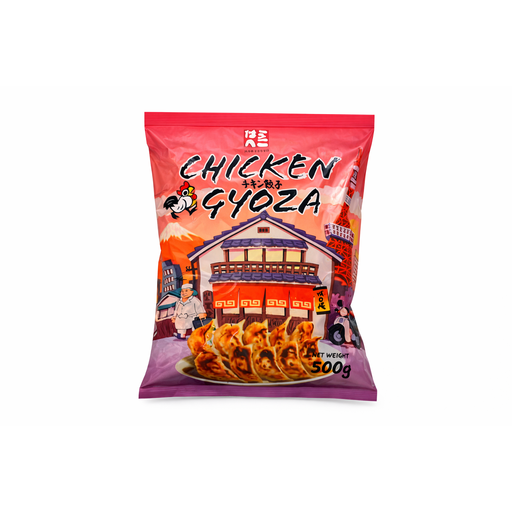
Why this suits the profile: A straightforward pack for anyone trying frozen gyoza for the first time who doesn’t want to buy a large multi-pack straight away.
The 500 g pack reduces the risk of having too much stock. The instructions cover pan-frying, deep-frying and steaming without thawing.
Chicken and vegetable filling; three stated cooking methods; 147 kcal and 7.16 g protein per 100 g according to the product information.
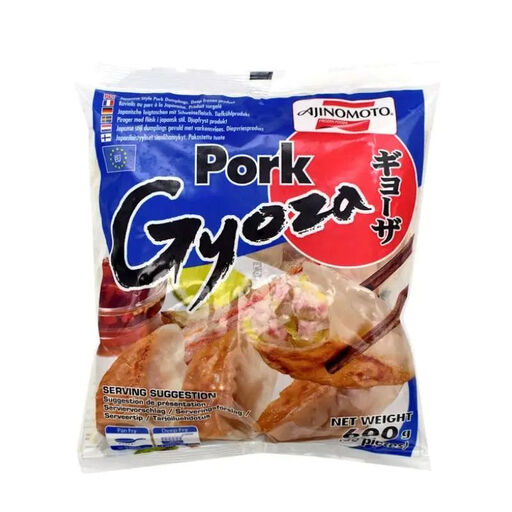
Why this suits the profile: For home cooks who want a fixed portion size and a Japanese-style dumpling with pork and vegetables.
The count of 30 pieces is clearly stated, so you can better judge how many you need for a meal or party snack.
30 pieces; filling with vegetables and 19% pork according to the product information; wheat and soya listed as allergens.
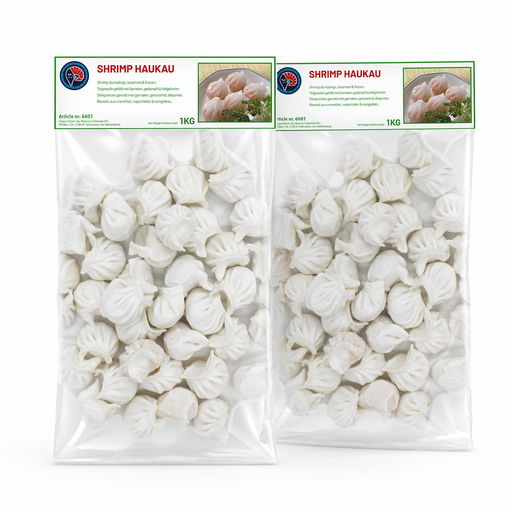
Why this suits the profile: A logical choice if you often serve Asian dumplings and want to keep a good stock of ha kau prawn dumplings.
The IQF pack of 1 kg per bag makes it easy to manage your stock in portions. The cooking information recommends steaming as the product-specific method.
2 × 1 kg; individually quick-frozen according to the product description; prawn filling with soya and sesame listed as allergens.
We’ve put together a full, up-to-date list of products that fully meet these strict selection criteria and comply with current European safety regulations.
Yes, you can with many products. Add the frozen gyoza directly to the pan and follow the instructions on the pack. With the so-called pan-fry method, oil is usually used first, followed by a small amount of water with the lid on. Thawing is not always necessary and can make the wrapper softer.
Keep them frozen at all times and follow the date and temperature on the pack. Once thawed, the dumplings must be kept refrigerated and used within the stated period. Do not refreeze a product that has been thawed. Check on delivery that the frozen pack is still properly cold and undamaged.
Gyoza usually refers to Japanese dumplings with a thin wrapper, often filled with meat and vegetables. Chinese dumplings cover a broader group, including boiled or steamed dumplings. Ha kau is a type of steamed prawn dumpling with a characteristic translucent wrapper. The names give you a clue, but the ingredients and cooking instructions on the label determine exactly what you’re buying.
