
Same-day & Next-day Delivery

Quality Guaranteed

Unlock Your Welcome Offers: FREE Delivery | Up to 80% OFF | Free 30-day JoyPlus trial
Download the APP
Frozen gyoza dumplings are convenient for a quick snack, lunch or meal. You can keep them in the freezer and usually cook them straight from frozen in a frying pan, steamer or deep-fat fryer. However, the different varieties can vary considerably in flavour, ingredients, pack size and cooking method.
If you buy gyoza without comparing your options, you may come up against three common pitfalls:
Start by looking at the full ingredients list, rather than just the name on the front. Chicken gyoza may contain soya protein, wheat, sesame oil or breadcrumbs in addition to chicken. For example, KHY Chicken Gyoza lists wheat and soya as allergens. Ajinomoto Chicken & Veggie Gyoza contains wheat, soya and sesame.
With prawn gyoza, it is important to check whether they contain shellfish. KHY Shrimp Gyoza lists prawn, soya and wheat. If you are looking for vegan gyoza, do not rely solely on the word “vegan”; check the ingredients and allergen information too. bibigo Korean BBQ Gyoza Vegan contains wheat, wheat gluten, soya and sesame, among other ingredients.
Do not compare only the price per pack. Also look at the weight and, where stated, the number of pieces. A 300 gram pack can be useful for a small meal or for combining several flavours. A 500 gram bag or a multipack of 3 x 500 grams makes more sense for a family, a party spread or regular use.
Ajinomoto Pork Dumplings are sold as 30 pieces. Ajinomoto Chicken & Veggie Gyoza comes in a 600-gram pack. KHY Chicken Gyoza is available in a 500-gram pack and as a multipack of 3 x 500 grams. The actual portion size depends on how you plan to serve the gyoza: as a side dish, snack or main meal.
The most versatile frozen dumplings can be prepared in several ways. Check that the instructions are suitable for your kitchen.
For example, KHY Chicken Gyoza and KHY Shrimp Gyoza provide instructions for pan-frying, deep-frying and steaming without defrosting first. Cooking times and temperatures may vary for other products. Always follow the instructions on your pack.
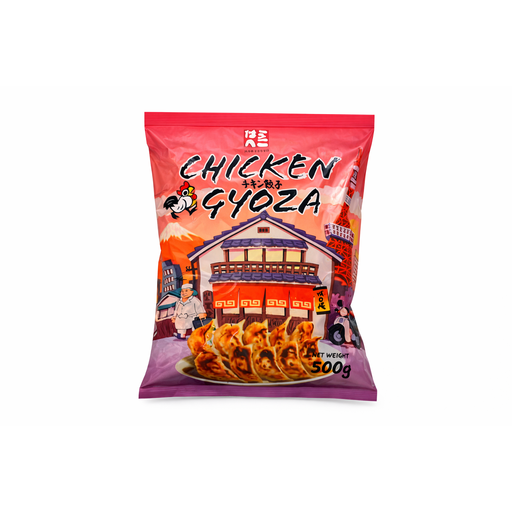
Why it suits this profile: A manageable pack for anyone who wants to try chicken gyoza without immediately buying a multipack. The cooking options are clearly stated.
The weight is clearly stated and the pack is smaller than the multipack. Do check the current price per 100 grams.
500 grams; suitable for pan-frying, deep-frying and steaming; prepare according to the instructions without defrosting first.
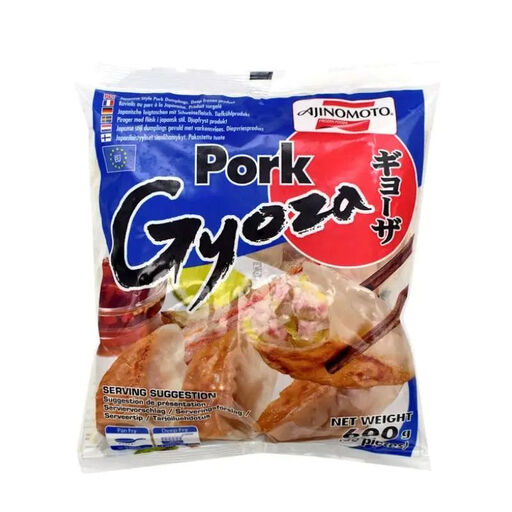
Why it suits this profile: A 30-piece pack for anyone who wants to serve pork gyoza as part of a meal or sharing platter.
The number of pieces is immediately clear, making it easier to plan portions. Check the ingredients for gluten, wheat and soya.
30 pieces; vegetable filling with 19% pork according to the product information; suitable for sharing.
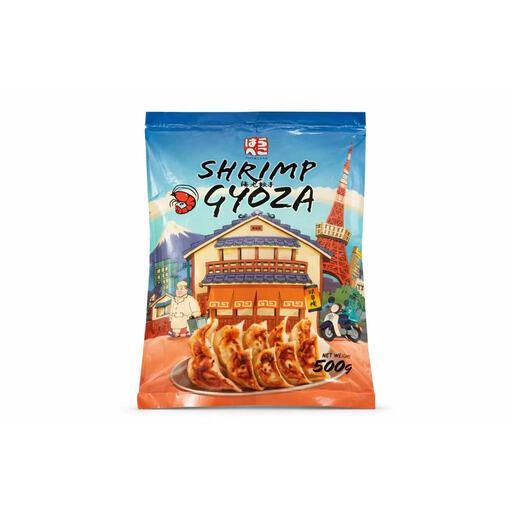
Why it suits this profile: For prawn gyoza enthusiasts who want to use several cooking methods, such as pan-frying, deep-frying or steaming.
The allergens are listed, including prawn, soya and wheat. This makes checking easier, but the label remains the definitive source.
500 grams; three listed cooking methods; 7.3 grams of protein and 0.8 grams of salt per 100 grams according to the product information.
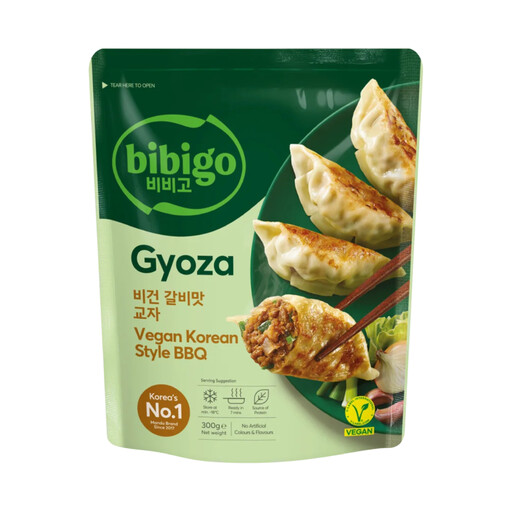
Why it suits this profile: A plant-based Korean dumpling variety for anyone avoiding meat and fish who is looking for a smaller pack.
The product information describes it as vegan and provides an ingredients list. Check the packaging and possible cross-contamination again when buying.
300 grams; steaming and pan-frying instructions; filling based on vegetables, wheat gluten and chickpea flour.
We have compiled a complete, up-to-date list of products that fully meet these strict selection criteria and the applicable European safety regulations.
Keep the dumplings frozen until you are ready to use them and do not defrost them beforehand unless the packaging instructs you to do so. Defrosting can soften the wrappers and increase the risk of them tearing during cooking. Use a pan with a lid when you want to use the classic combination of frying and steaming.
When pan-frying, pay attention to the amount of oil. Too little oil can cause the dumplings to stick; too much makes the dish heavier and increases consumption. When deep-frying, work in small batches so the oil temperature does not drop too sharply. Follow the stated temperature, such as 170–180 °C for the KHY varieties.
After defrosting, the products must be kept chilled according to the product information and consumed within the stated period. Do not refreeze defrosted dumplings. The best-before date and full instructions on the packaging take priority over general cooking times.
Yes, many products are designed to be cooked straight from the freezer. Fry the dumplings in oil first, then add water and cover the pan. Always check the specific instructions, as cooking times and quantities may vary between brands.
Keep them for as long as stated on the packaging and set your freezer to the recommended temperature. After defrosting, follow the instructions for chilled storage. The exact shelf life varies by product and pack.
No. Vegan means that no animal ingredients have been used, but vegan gyoza may still contain wheat, gluten, soya or sesame. Always read the allergen information and current ingredients list before ordering or serving.
