
Vandaag of morgen in huis

Kwaliteit gegarandeerd

Welkomstaanbiedingen ontgrendelen: GRATIS bezorging | Tot 80% korting | Gratis 30 dagen JoyPlus-proefperiode
Download de app
Gyoza and dumplings are handy as a snack, side dish or quick meal. However, packs can vary considerably in their fillings, cooking methods, quantities and allergens. If you choose a product based only on an appealing photo or a name such as “shrimp dumplings”, you could end up with something that doesn’t suit your freezer space, cooking method or household.
The main pitfalls to watch out for:
The filling determines not only the flavour, but also whether a product is suitable for your household. Popular options include:
A product name doesn’t always tell you everything about the recipe. Check the ingredients and allergen information before ordering.
Don’t compare the price per pack alone. Also check the net weight, the number of pieces and how much you’ll need per meal.
A 300-gram pack may be suitable as a snack or to serve alongside noodles and vegetables. Packs of 500 to 1,000 grams are more practical for families or for stocking up. A multipack, such as three 500-gram packs, offers more flexibility: you can use one bag and keep the rest frozen.
Some products list the number of pieces. For example, the Ajinomoto Gyoza Pork Dumplings pack contains 30 pieces. Other products list the weight instead. Dumpling sizes can vary between brands, so you can’t always work out the number of portions directly from the weight.
Most frozen gyoza and dumplings can be cooked straight from the freezer. Thawing can affect the texture of the dough and, according to the instructions for several products, isn’t necessary.
Common cooking methods include:
According to the product information, KHY Shrimp Gyoza can be pan-fried, deep-fried or steamed. Mooijer Ha Kau Shrimp Dumpling, on the other hand, is specifically described as a product to steam from frozen for 8 to 10 minutes. This is important if you don’t have a deep fryer.
Also check that the cold chain has been maintained. Product information may state that an item is stored, packed and transported frozen. At home, store it at the temperature shown on the label, keep it frozen until you’re ready to use it and don’t refreeze it once thawed.
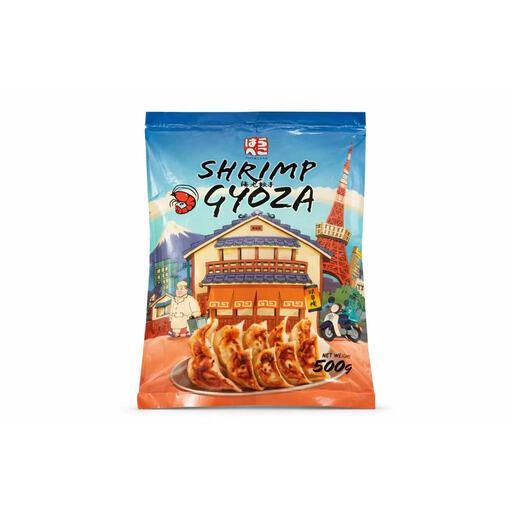
Why it suits this shopper: A 500-gram pack is a manageable size if you’re trying prawn gyoza for the first time. According to the product description, you can pan-fry, deep-fry or steam it.
You’re not committing to a large pack straight away, and you have several cooking options rather than just one set method.
500 grams; suitable for pan-frying, deep-frying and steaming; according to the label, contains prawns, wheat and soya.
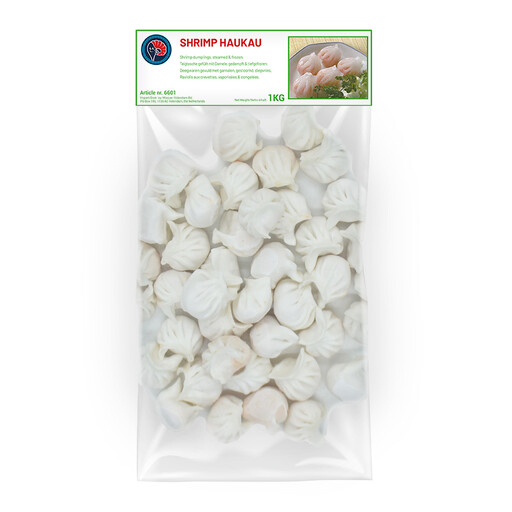
Why it suits this shopper: According to the product information, these crystal shrimp dumplings are steamed Ha Kau from Vietnam, supplied in a 1-kilo IQF pack.
The product information clearly states the cooking method, origin and that the dumplings are individually frozen. This makes it easier to decide whether the pack will fit in your freezer.
1 kg IQF; intended for steaming; according to the label, contains prawns, soya and sesame oil.
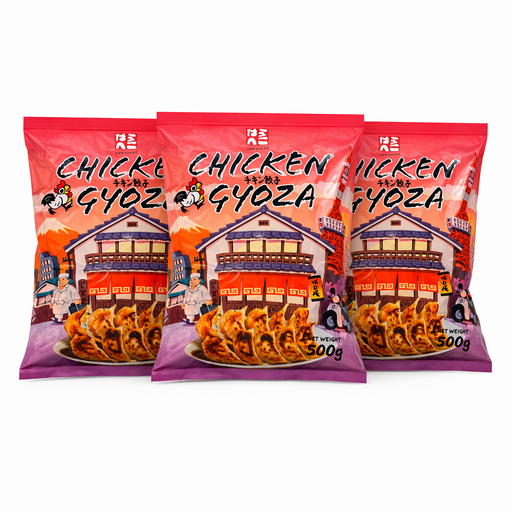
Why it suits this shopper: The three separate 500-gram bags are handy for households that serve chicken gyoza regularly or want to stock up.
The portions are split across three packs, so you don’t have to open the whole quantity at once.
1,500 grams in total; suitable for pan-frying, deep-frying and steaming; cooking instructions are provided for each method.
We’ve put together a complete, up-to-date list of products that meet these strict selection criteria and current European safety regulations.
For many products, yes. The cooking instructions often say you can put gyoza straight from the freezer into a pan, steamer or deep fryer. Always check the label, as cooking times and temperatures vary by product.
Store frozen dumplings at the temperature stated on the packaging, often around -18 °C. You’ll find the exact best-before date on the label. Once thawed, keep the product chilled and use it within the stated period. Don’t refreeze it.
That depends on the portion size and filling. Gyoza is often eaten as a snack or side dish. For a complete meal, you can serve dumplings with stir-fried vegetables, noodles, rice or a light broth. When comparing products, also check the salt content and nutritional values per 100 grams, not just the pack size.
