
Same-day & Next-day Delivery

Quality Guaranteed

Unlock Your Welcome Offers: FREE Delivery | Up to 80% OFF | Free 30-day JoyPlus trial
Download the APP
Frozen gyoza are handy for a quick meal, snack or side dish. You can keep them in the freezer and usually cook them straight from frozen. However, not all packs are the same. If you choose based only on an appealing product photo or the name “Japanese dumplings”, you could end up with a variety that doesn’t suit your dietary needs, cooking method or portion size.
“Chicken gyoza”, “vegetable gyoza” and “prawn gyoza” give you a general idea, but check the percentage of the main ingredient too. For example, Hamamatsu Chicken Gyoza contains 18.7% chicken, while AJINOMOTO Gyoza Prawn contains 27% peeled prawns, according to the product information. The meat content can vary between pork gyoza products too.
So don’t just look at the front of the pack. Check the ingredients list and the quantitative ingredient declaration, also known as QUID.
Pan-frying gyoza calls for a different approach from steaming or boiling them. When cooking them in a pan, they’re often fried first, then steamed until cooked through with a little water and the lid on. If you use too little water, the dough may stay tough. Adding water too quickly to hot oil can cause it to spit.
Not all frozen gyoza are automatically suitable for the oven or air fryer. If the pack doesn’t include air-fryer instructions, it’s best to use the recommended method: pan-frying, steaming or boiling.
Many gyoza dumplings contain wheat or gluten, soya and sesame. Prawn gyoza also contain crustaceans. Check the current packaging before buying, especially if you have a food allergy or intolerance. Product information can change, so always refer to the packaging.
Look out for ingredients such as soya sauce, wheat gluten, breadcrumbs and sesame oil too. A vegetable variety isn’t automatically free from soya, gluten or animal-derived ingredients.
A 600-gram bag might contain thirty small dumplings, or fewer larger ones. Hamamatsu Chicken Gyoza comes as 30 pieces weighing 20 grams each. This makes it fairly easy to estimate portions for students, families or a sharing platter.
So don’t compare only the price per bag. Check:
A pan with a lid is useful for cooking gyoza on the hob. As a general guide:
For pan-frying, Hamamatsu recommends using around 50 ml of water and cooking with the lid on for three to four minutes. Other packs may give different instructions, so always follow the directions for your product.
Compare ingredients in a practical way. According to the product information, AJINOMOTO Vegetable Gyoza Spinach contains 55% vegetables, including cabbage, peas, edamame, carrot and white radish. The packaging also lists wheat, soya and sesame as allergens.
According to the product description, AJINOMOTO Gyoza Prawn contains 27% peeled prawns and lists crustaceans and wheat as allergens. If you want to avoid animal-derived ingredients, also check whether the vegetable variety is suitable for your dietary preferences.
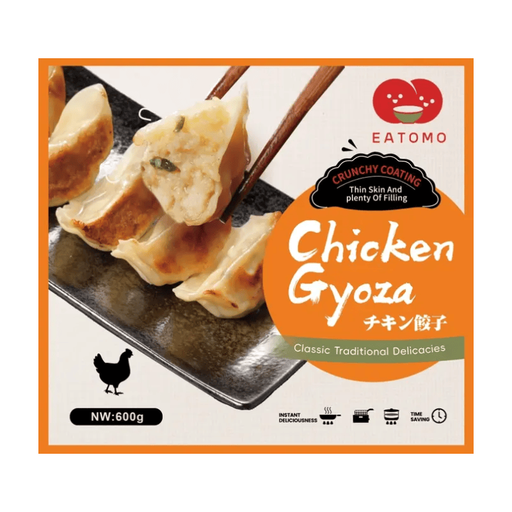
Why it suits this type of shopper: The pack contains 30 pieces weighing 20 grams each, making it easy to divide between several people or meals.
The number of pieces and weight per piece are clearly stated. The cooking instructions cover pan-frying, steaming and boiling.
600 grams, 18.7% chicken and several cooking options.
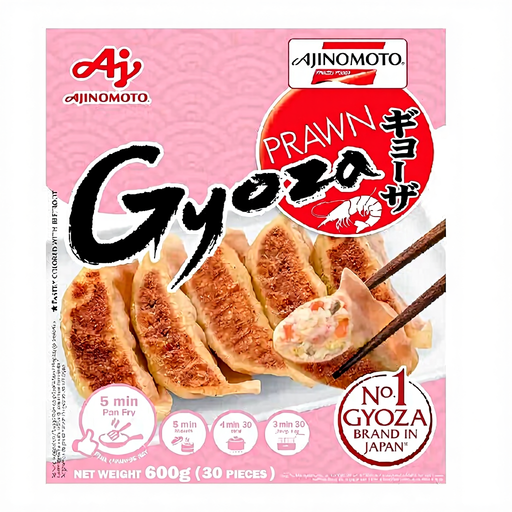
Why it suits this type of shopper: A good choice if you’re specifically looking for prawn gyoza and want to check the proportion of the main ingredient.
The product information states that it contains 27% peeled prawns. Always check the current packaging for crustaceans and wheat.
30 pieces, 600 grams and suitable as a meal or snack.
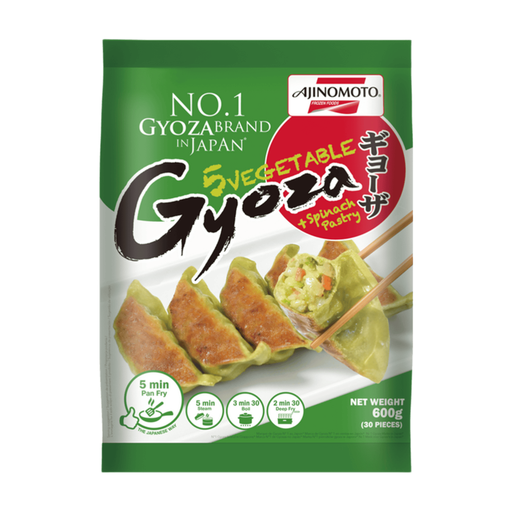
Why it suits this type of shopper: An option if you’re looking for vegetable gyoza and regularly prepare several portions at a time.
The product description states that it contains 55% vegetables and lists the allergens, including gluten, soya and sesame.
Vegetable filling, spinach in the dough and 6.3 grams of fibre per 100 grams, according to the product information.
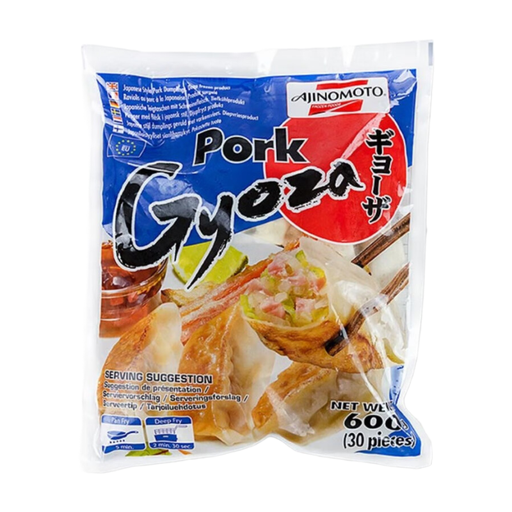
Why it suits this type of shopper: This multipack is designed for households that serve Asian frozen food regularly or want to keep some in stock.
The bulk pack makes the total quantity clear. Before buying, check that ten 600-gram bags will fit in your freezer and suit how quickly you’ll use them.
Pork filling, 31% vegetables according to the product information, and several cooking methods.
We’ve put together a full, up-to-date list of products that meet these strict selection criteria and current European safety requirements.
Yes, many products are designed to be cooked straight from the freezer. Defrosting can make the dough softer and more difficult to handle. Follow the instructions on the packaging and make sure the filling is cooked through before eating.
It depends on the product. Not all packs list an air fryer as a suitable cooking method. Only use an air fryer if the manufacturer provides instructions for it. For many frozen dumplings, the recommended options are pan-frying, steaming or boiling.
Store frozen gyoza at the temperature stated on the packaging, often around -18 °C. Check the use-by date on the bag. Once defrosted, keep the product chilled and use it within the stated period. Don’t refreeze defrosted gyoza.
