
Same-day & Next-day Delivery

Quality Guaranteed

Unlock Your Welcome Offers: FREE Delivery | Up to 80% OFF | Free 30-day JoyPlus trial
Download the APP
Gyoza, the renowned Japanese dumplings, are a lifesaver for anyone wanting a quick, flavourful meal. But when you try to buy frozen gyoza online, you'll quickly find the selection is overwhelming. The packaging makes big promises, but the contents can often be disappointing. As a Joybuy Product Recommendation Officer, I'm here to help you cut through the marketing jargon and make a choice that suits your taste and needs.
Before you purchase any dumplings, it's wise to be aware of a few common pitfalls:
To ensure you make a quality purchase, there are a few objective specifications you can check. This will help you better assess the quality of frozen gyoza.
A reliable indicator of quality is the ingredient list. Look at the percentage of the main ingredients. A chicken gyoza should list chicken as one of the first and most abundant ingredients. The same applies to vegetarian gyoza: look for specific vegetables like cabbage, edamame beans, or mushrooms, ideally with their percentages listed. This provides a more honest picture of what to expect. Brands like Ajinomoto gyoza and bibigo gyoza often specify this more clearly on their packaging.
The dough, or wrapper, is just as important as the filling. It should be thin enough not to be overpowering but sturdy enough to hold the filling together during cooking. The ingredient list for the dough is usually simple: wheat flour, water, and salt. Sometimes, extra ingredients like tapioca starch are added for a different texture. If you plan to pan-fry the gyoza, a firmer dough is recommended.
Not all Japanese dumplings are created equal. Some are specifically designed for pan-frying, while others are better when steamed or boiled. The packaging usually lists the recommended methods. Choose a product that matches your preferred way of cooking. This prevents you from ending up with a mushy or overly chewy result.
Based on product specifications, we have selected a few options that cater to different needs.
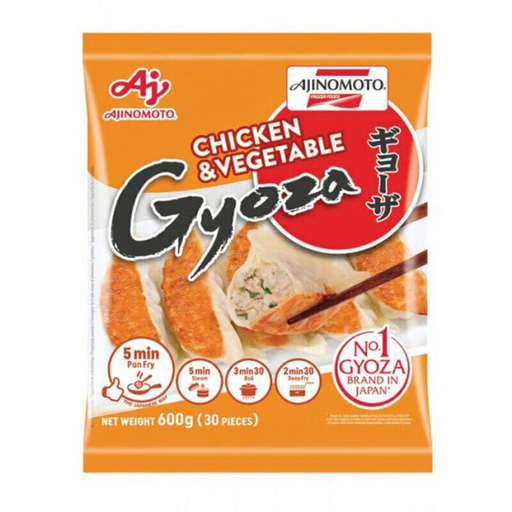
Why This Fits Their Persona: Perfect for busy professionals or students who need a reliable and quick meal. Ajinomoto is a well-known brand in Japanese cuisine, ensuring a familiar taste and quality. The 600g pack is practical for multiple meals.
The ingredient list is clear, with chicken and vegetables featured prominently. The dough is consistent in quality and suitable for the recommended cooking methods, preventing it from falling apart.
Versatile cooking options (pan-fry, steam, boil). The balance of chicken, vegetables, and seasonings delivers an authentic Japanese flavour experience.
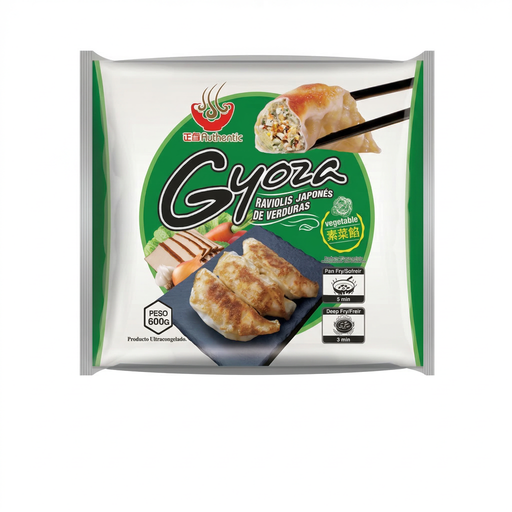
Why This Fits Their Persona: An excellent choice for those seeking a fully vegetarian gyoza. The filling of fresh vegetables and vermicelli offers a light and flavourful alternative to meat varieties.
This product avoids the vague-ingredient pitfall by specifying the percentage of cabbage (20%). This gives the buyer transparency about the filling's composition.
According to the manufacturer, these gyoza have a thin and crispy wrapper, which is ideal for pan-frying. The 600g family size is economical and convenient to have in the freezer.
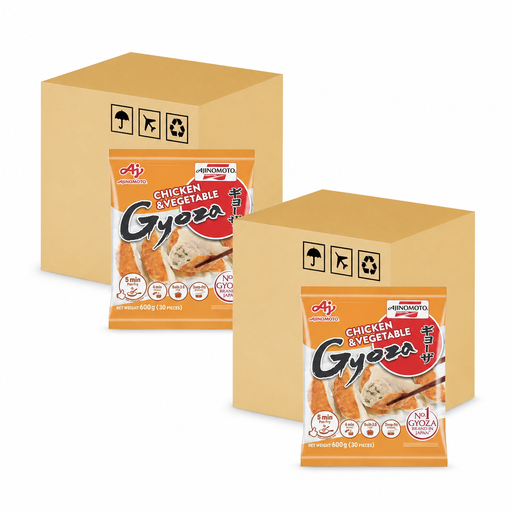
Why This Fits Their Persona: Ideal for large families, parties, or even small-scale catering. This bulk pack of 10 x 600g bags offers excellent value for money and ensures you always have a stock of `frozen Asian appetisers` on hand.
By buying in bulk from a reputable brand like Ajinomoto, you ensure consistent quality. You avoid the gamble of an unknown brand that might skimp on filling or dough quality.
Significant cost savings per pack. The gyoza are identical to the individually sold versions, so you don't compromise on taste or quality.
We have compiled a complete, real-time list of products that fully satisfy these strict selection criteria and UK safety regulations.
For the classic "potsticker" effect (crispy on the bottom, soft on top), follow these steps. Heat a little oil in a non-stick frying pan over medium-high heat. Place the frozen gyoza flat-side down and fry for 2-3 minutes until the bottoms are golden brown. Carefully add a small amount of water (about 60-80 ml) and immediately cover the pan with a lid. Let the gyoza steam for 5-7 minutes until the water has nearly evaporated. Remove the lid and continue to fry for another 1-2 minutes until the bottom is crispy again.
Gyoza are the Japanese version of the Chinese jiaozi. The main difference often lies in the dough and the preparation. Gyoza wrappers are typically thinner than those of many Chinese dumplings. Additionally, gyoza are usually pan-fried and steamed, whereas other dumplings are more often just boiled or steamed. The filling of gyoza is often finer in texture and typically contains garlic.
You can store frozen gyoza in a well-sealed package in the freezer (at -18°C or colder) until the expiration date printed on the package. This is usually several months to over a year. Once thawed, it is not recommended to refreeze them. Store thawed gyoza in the refrigerator and consume them within the specified period, usually within 24 hours.
