
Same-day & Next-day Delivery

Quality Guaranteed

Unlock Your Welcome Offers: FREE Delivery | Up to 80% OFF | Free 30-day JoyPlus trial
Download the APP
Fancy dim sum at home, but don’t have time to fold everything yourself? Frozen prawn dumplings are quick to prepare and work well as part of a meal, lunch or snack. However, prawn dim sum, shrimp dumplings, prawn gyoza and prawn wontons can differ significantly in their filling, preparation method and packaging.
The package with the most appealing photo isn’t automatically the right choice. Pay particular attention to the prawn content, type of dough, allergens and quantity per pack. This helps you avoid buying a multipack that doesn’t suit your household, or having a dumpling split open during cooking.
A product name containing “shrimp”, “prawn” or “garnalen” doesn’t always indicate what percentage of the filling consists of prawn. The percentages listed in product information vary. For example, AJINOMOTO Gyoza Prawn contains 27% peeled prawn, while BML Shrimp Gyoza lists 34.90% prawn. Freshasia Shrimp Dumpling 880g states that the filling makes up 55%, of which 45% is prawn.
So compare the quantitative ingredient declaration, rather than relying solely on the product photo. Also look out for ingredients such as fish, pork fat, vegetables, starch and breadcrumbs. These affect the texture and flavour of the filling.
Ha kau prawn dumplings often have a transparent, starch-based wrapper and are usually steamed. Gyoza generally have a wheat-based dough and are suitable for pan-frying, steaming or deep-frying. Wontons are often smaller and can also be served in soup.
A crystal-clear wrapper may be more delicate during cooking or steaming than a sturdier gyoza wrapper. So check that the cooking instructions match your plans. Not every product is suitable for the air fryer, microwave or frying pan, even if the shape looks similar.
Compare the price per 100 grams, not just the price of the box. A pack of 3 × 500 grams is convenient for a family or for regular use, but less practical if freezer space is limited. IQF packs, where portions are frozen separately, can make it easier to use the right amount.
When your order arrives, check that the product is still frozen. Store dumplings according to the label at -18 °C or below where stated. According to the product information, a thawed product must not be refrozen.
First, choose your preferred cooking style:
To steam dumplings, place the frozen dumplings in a steamer basket with space between them. Follow the cooking time on the pack. Examples in the range vary from around 5 minutes for some gyoza to 8–10 minutes for ha kau. Check that the filling is heated through completely.
A higher prawn percentage doesn’t automatically mean you’ll prefer the product, but it does provide an objective point of comparison. Also check:
Nutritional values vary by recipe. Freshasia Shrimp Dumpling 880g lists 155 kcal, 8 grams of protein and 1.2 grams of salt per 100 grams. AJINOMOTO Gyoza Prawn lists 160 kcal and 6.2 grams of protein per 100 grams. Always use the current label as your reference.
Almost all the options in this selection contain crustaceans. Wheat or gluten, soya, sesame, egg and fish are also commonly present. Freshasia Whole Prawn Egg Dumpling contains prawn, egg, soya, sesame and wheat, among other ingredients. If you have allergies or intolerances, it’s wise to read the full ingredients list on the packaging, as recipes and labels may change.
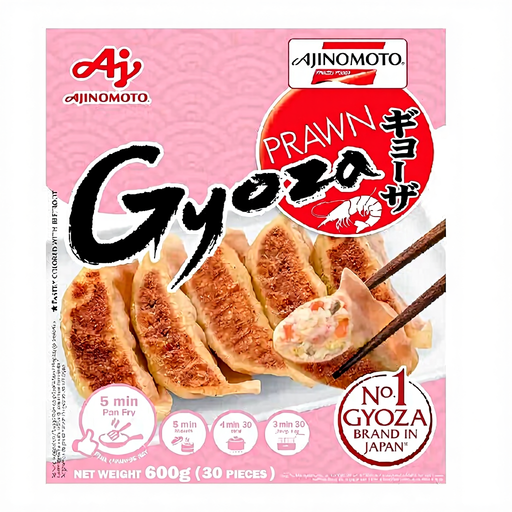
Why it suits this profile: The pack contains 30 pieces weighing 600 grams. This makes portion planning easy when trying prawn gyoza for the first time.
The number of pieces and the stated prawn percentage are clearly included in the product information. This lets you compare the contents on more than just the name.
30 pieces; 27% peeled prawn; suitable as a quick meal or snack.
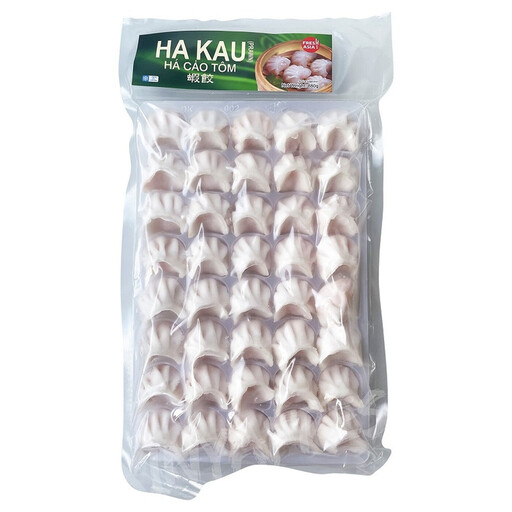
Why it suits this profile: If you’re mainly looking for transparent, steamed dim sum, this variant offers a generous pack with a thin, translucent wrapper.
The product information lists both the filling and the allergens: prawn, wheat and sesame. This helps you make an informed comparison.
880 grams; filling stated as 55%; intended for steaming.
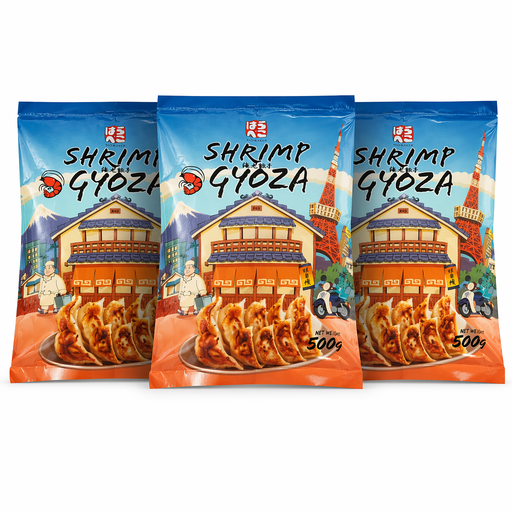
Why it suits this profile: The bundle of three packs is practical for households that regularly pan-fry, deep-fry or steam gyoza.
The cooking options are clearly described: pan-frying, deep-frying at 170–180 °C and steaming without thawing.
3 × 500 grams; three cooking methods; 7.3 grams of protein and 0.8 grams of salt per 100 grams according to the product information.
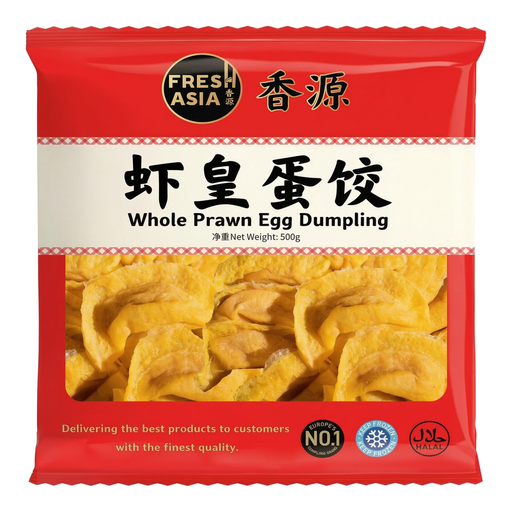
Why it suits this profile: This variant combines whole prawns with a thin egg-based wrapper and is intended for steaming or adding to soup.
The instructions give clear options: steam from frozen for 8–10 minutes or simmer in soup for 3–4 minutes.
500 grams; whole prawn; suitable for steaming and soup; also contains egg, soya, sesame and wheat.
We’ve put together a complete, up-to-date list of products that fully meet these strict selection criteria and the applicable European safety regulations.
Always follow the instructions on the packaging. In general, follow these steps:
Keep leftovers chilled according to the instructions on the label and don’t refreeze thawed products.
Keep them unopened and continuously frozen until the best-before date on the packaging. The exact shelf life varies by product. Once thawed, they should be stored in the fridge according to the product information and eaten within the stated period.
You can with gyoza intended for this purpose. KHY Shrimp Gyoza describes pan-frying with oil and a small amount of water. Ha kau with a transparent starch-based wrapper is generally better suited to steaming. Always check the cooking method for each pack.
The most common allergens are crustaceans, wheat or gluten, soya and sesame. Some recipes also contain egg, fish or sulphites. Always read the full ingredients list, especially when several people are sharing the meal.
