
Same-day & Next-day Delivery

Quality Guaranteed

Unlock Your Welcome Offers: FREE Delivery | Up to 80% OFF | Free 30-day JoyPlus trial
Download the APP
A hydrating gel cream for the face often feels lighter than a traditional cream. That makes this type of facial skincare appealing for oily, combination, sensitive or acne-prone skin. However, a refreshing gel texture isn’t automatically right for everyone. The formula, ingredients and usage instructions determine whether your skin stays comfortable.
If you only rely on words like “water-gel”, “soothing” or “24-hour hydration”, you could still end up buying an unsuitable product. Pay particular attention to these three pitfalls.
A facial gel can absorb quickly yet fail to retain enough moisture for your skin. So check whether the formula contains ingredients that help lock in moisture, alongside humectants such as glycerine, hyaluronic acid or panthenol. If you have drier skin, you may need an extra moisturiser over the gel.
An oil-free face cream can be pleasant for shiny skin, but “oil-free” doesn’t tell you everything about the overall formula. Also look at the full ingredients list and choose a product that is described as non-comedogenic if that’s what you’re specifically after. A sensitive or acne-prone skin can also react to fragrance, essential oils or certain active ingredients.
Claims about soothing, sebum regulation or a certain percentage more moisture aren’t automatically comparable between brands. According to a brand’s own research, such results may have been measured under specific conditions. So treat them as additional information and first look at verifiable features: size, skin type, texture, scent, ingredients and when to use it.
A moisturising gel cream should spread easily and leave no heavy or sticky layer, matching the desired experience. A water-gel is generally airier than a gel-cream with butters or oils. For make-up, a thin layer can be more practical; let the product sink in first to prevent pilling.
If you’re looking for a light face cream, you can look out for terms like gel, water-gel, gel lotion or oil-free. Do check the product details: the same name can mean a different texture from one brand to another.
Always read the label. A product description can differ from a formula that has been changed later.
For a gel cream for oily skin or gel cream for combination skin, a thin layer is often enough. If you have sensitive skin, a patch test is wise: apply a small amount to a limited area of skin and stop if you experience redness, itching, a burning sensation or swelling.
Use a gel cream usually after cleansing and possibly a serum. During the day, follow with a sun protection product suitable for your routine. Avoid contact with the eyes and do not use the product on damaged skin. Keep the packaging closed, cool and dry, away from direct sunlight.

Why this fits the profile: According to the product information, the formula contains 77% oat seed water, glycerine, panthenol, squalane and beta-glucan. At 100 ml, this is a practical choice for daily use in the morning and evening.
The full ingredients list mentioned makes the formula easier to verify than just a claim like “soothing”. Check the label if you have allergies.
100 ml content; gel-cream texture; panthenol and squalane listed in the ingredients.
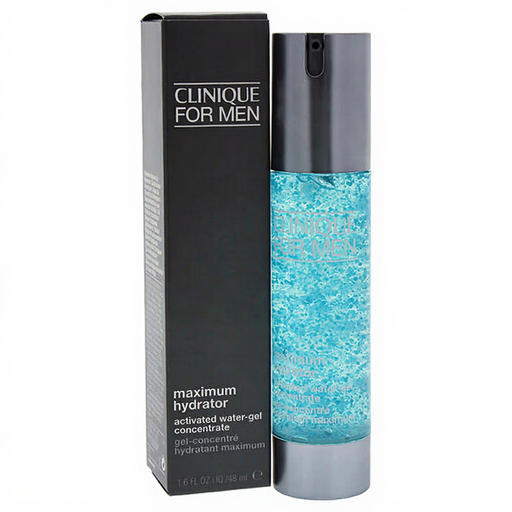
Why this fits the profile: According to the product details, this water-gel is oil-free, fragrance-free and packaged in a 48 ml pump bottle. That suits anyone who values neat dispensing and a light finish.
The oil-free and fragrance-free specifications are more concrete than a general promise about a fresh texture. According to the data, the product does contain alcohol.
Oil-free; fragrance-free; pump packaging; suitable for use on face and neck.
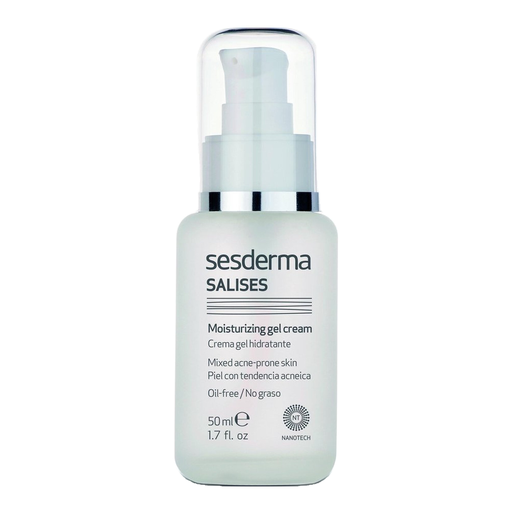
Why this fits the profile: The product information targets this gel cream at normal, combination and acne-prone skin. Salicylic acid, niacinamide and glycerine are listed in the ingredients.
The presence of salicylic acid is clearly stated. This allows you to better coordinate this product with other exfoliating products in your routine.
50 ml; unscented according to the product details; gel texture; aimed at combination and oily skin.

Why this fits the profile: According to the product description, this Korean skincare gel cream has a light gel texture and contains 44% Haenam red bean extract and a peptide complex.
The amount of red bean extract and the 100 ml content are specifically mentioned. Do check the fragrance listing if you’re looking for fragrance-free care.
100 ml; light gel structure; intended for oily skin; peptide complex listed.
We’ve put together a full, up-to-date list of products that fully meet these strict selection criteria and comply with current European safety regulations.
Often yes, especially when you’re looking for a light, oil-free or non-comedogenic formula. Check the ingredients and first use a small amount. Oily skin still needs moisture; a too-aggressive routine can actually feel uncomfortable.
Yes, you usually apply the gel cream after cleansing and serum, followed by sunscreen in the morning. Let each layer sink in briefly. If the product pills, use less gel or wait longer between layers.
Follow the shelf-life information on the packaging. Look at the expiry date and the symbol for the period after opening, such as 12M. Close the packaging after use and store it cool, dry and away from direct sunlight. Has the scent, colour or texture changed? Then stop using the product.
