
Vandaag of morgen in huis

Kwaliteit gegarandeerd

Welkomstaanbiedingen ontgrendelen: GRATIS bezorging | Tot 80% korting | Gratis 30 dagen JoyPlus-proefperiode
Download de app
A hydrating face cream may seem like a simple purchase, but the range of options can make comparisons difficult. A lightweight gel cream, rich face moisturiser, day cream or night cream may all be suitable — depending on your skin type, routine and ingredient preferences.
Many consumers encounter the same pitfalls:
For a face cream for dry skin, ingredients such as glycerine, shea butter, dimethicone, squalane and hyaluronic acid are often relevant. Glycerine and hyaluronic acid are used in formulas as moisture-binding ingredients. Oils and silicones can contribute to a more comfortable skin feel.
For oily or combination skin, a gel cream or oil-free formula may feel more pleasant. Also look for the term “non-comedogenic” if clogged pores or a shiny complexion are concerns. This is a product specification, not a guarantee that every skin type will react in the same way.
Do not compare only the price of a jar or pump bottle, but also the contents in millilitres. A 30 ml product may work out more expensive per millilitre than a 75 or 100 ml pack. Check the expiry information on the packaging and look for the symbol indicating the period after opening, such as 6M or 12M.
A cream for daily use is generally applied after cleansing, optionally after a serum. A day cream can be used under make-up; a night cream often has a richer texture. Neither automatically replaces sun protection.

Why it suits this profile: The pack contains 100 ml, and according to the product information, the gel cream can be used as a daily moisturiser or night cream.
The ingredients list is available, so you do not have to rely solely on general marketing terms. The formula contains five types of hyaluronic acid, glycerine, panthenol and ceramide NP.
100 ml; ethanol-free formula; lightweight gel cream with hyaluronic acid, argan oil and apricot kernel oil.
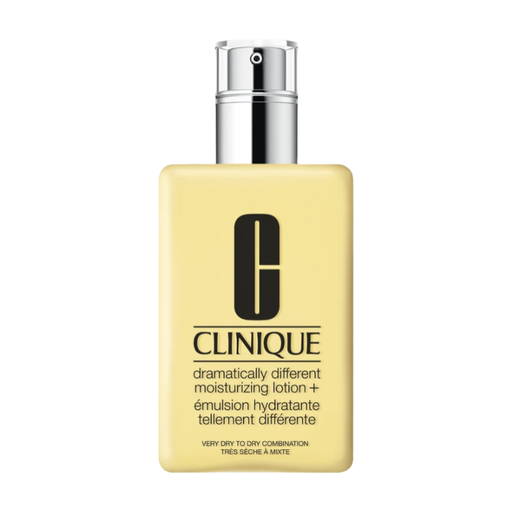
Why it suits this profile: A fragrance-free lotion with a clearly stated use for very dry to dry/combination skin. The 125 ml pack is suitable for a consistent morning and evening routine.
The product information states that it has been allergy tested and is 100% fragrance-free. According to Clinique’s own information, the lotion supports the skin’s moisture barrier; this is a brand claim, not a guaranteed individual result.
125 ml; fragrance-free; contains glycerine, dimethicone, petrolatum and sodium hyaluronate.
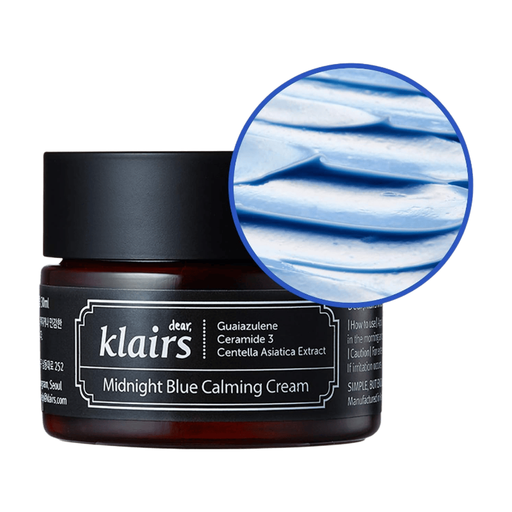
Why it suits this profile: This targeted cream is intended as the final step in your evening routine and can be applied locally to areas that need extra comfort.
Apply a small amount to targeted areas instead of spreading a heavy cream over your entire face. According to the product information, the formula is fragrance-free.
30 g; contains glycerine, sodium hyaluronate, ceramide NP, centella asiatica and guaiazulene.

Why it suits this profile: According to the product specifications, the lightweight gel texture is aimed at oily, combination or dry skin and can be used in the morning and evening.
The gel format helps avoid a heavy or greasy feeling on the skin. However, always check the full packaging if you are sensitive to fragrances or certain plant extracts.
100 ml; gel cream; according to the product description, contains 44% Haenam Red Bean Extract and a peptide complex.
A hydrating body lotion is designed for a larger skin surface and often has a different texture from a face cream. The Clarins Body-Smoothing Moisture Milk contains 400 ml and, according to the product information, is intended for dry to normal body skin. The Kneipp Balancing Hydrating Bodylotion Patchouli contains shea butter, panthenol and various oils.
Do not automatically use a body product on your face. Fragrance, essential oils and a richer formula may feel different on the face. The same applies to a serum for pigmentation: apply it according to the label and follow with a suitable moisturiser.
We have put together a complete, up-to-date list of products that fully meet these strict selection criteria and the applicable European safety regulations.
Most moisturisers are used once or twice a day on cleansed skin. Follow the instructions on the packaging. When using a serum, you will generally apply the serum first and then the cream.
This varies from product to product. Check the expiry date and the symbol indicating use after opening. For example, a product marked 12M can be used for twelve months after opening, according to the packaging. Store the cream in a cool, dry place away from direct sunlight.
The price depends on the brand, contents, ingredients and packaging. Therefore, compare the price per millilitre and consider whether you need a day cream, night cream, gel cream or serum. A larger pack is only better value if the texture and formula also suit your routine.
