
Vandaag of morgen in huis

Kwaliteit gegarandeerd

Welkomstaanbiedingen ontgrendelen: GRATIS bezorging | Tot 80% korting | Gratis 30 dagen JoyPlus-proefperiode
Download de app
A gel cream for the face often feels lighter than a traditional cream and usually sinks in quickly. This makes this type of skincare appealing for oily, combination or blemish-prone skin, as well as for anyone who wants to hydrate dry or sensitive skin without a heavy layer.
However, not every gel face cream will automatically suit your skin. Marketing terms such as “intensive hydration”, “glow” or “barrier repair” mean little if you do not check the formula, texture and directions for use. These practical selection tips can help you avoid a disappointing purchase.
A watery gel can feel pleasant, but a fresh sensation does not automatically mean that your skin will remain comfortable in the long term. Check whether the formula contains moisture-binding ingredients such as glycerine, panthenol, hyaluronic acid or beta-glucan. For dry skin, soothing or occlusive ingredients such as squalane, dimethicone or shea butter may also be relevant.
A product marketed for all skin types may still be less suitable in practice for very dry or reactive skin, for example. Look for additional information about fragrance, alcohol, oils, exfoliating acids and the intended skin concern. For sensitive skin, a short, straightforward ingredients list is not necessarily better, but it is easier to check.
A brand may state that a product reduces redness, supports the skin barrier or regulates sebum. This is not a guarantee for every individual. According to a brand’s own research or the product description, such results may have been measured under specific conditions. Focus primarily on features that can be checked: ingredients, size, formula, fragrance and usage advice.
A good hydrating face cream does not have to feel greasy. Glycerine attracts water, while panthenol and beta-glucan are often used in formulas designed to leave skin feeling comfortable. Squalane and ceramides can make the formula feel more nourishing. If you have dry skin, you can apply a gel cream over a serum or follow it with a richer cream.
For oily or combination skin, a lightweight moisturiser, an oil-free face cream or a non-sticky gel moisturiser are often practical choices. However, check that “oil-free” is actually stated in the product information. A gel containing silicones, for example, can feel smooth without this meaning that the formula contains oil.
Niacinamide is often used in products for uneven skin tone and oilier skin. Salicylic acid is an exfoliating ingredient found in some products for blemish-prone skin. However, it may be less suitable if your skin already tends to feel tight or irritated. Always follow the instructions on the packaging when using active ingredients, and introduce a new product gradually.
A fragrance-free formula can be a practical choice for sensitive skin, but “fragrance-free” does not completely rule out an individual reaction. Check the full ingredients list and, if in doubt, test the product on a small area of skin first. Stop using it if persistent redness, itching, swelling or a burning sensation occurs. Do not apply skincare products to damaged skin.
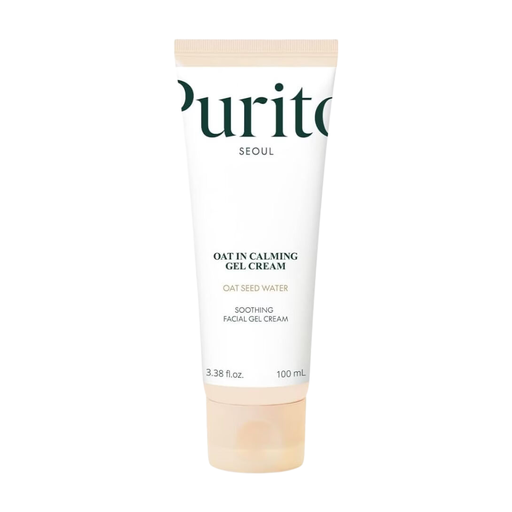
Why it suits this profile: A simple everyday gel cream for anyone looking for a lightweight texture and a generous 100 ml size. The product information lists oat seed water, glycerine, panthenol, squalane and beta-glucan.
The ingredients list makes it clear which hydrating and soothing ingredients are present, rather than relying solely on a general hydration claim.
77% oat seed water according to the product information, a 100 ml size and suitable for use in the morning and evening.
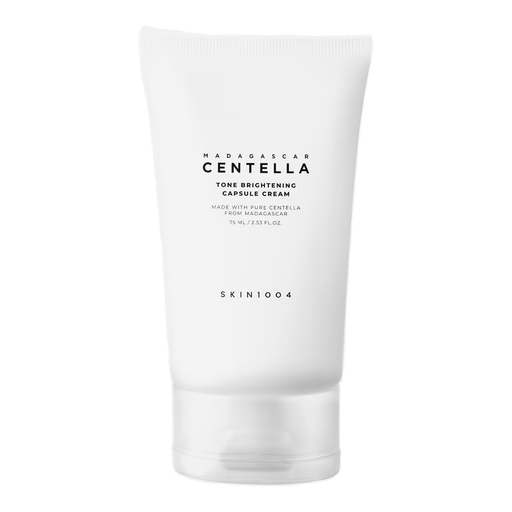
Why it suits this profile: Suitable for anyone who wants hydration as well as a lightweight formula, centella, niacinamide and tranexamic acid. The product information states that the formula is fragrance-free and alcohol-free.
The formula is not assessed solely on a “brightening” claim: the stated concentrations and ingredients are listed in the product information.
75 ml size, 60% centella according to the product information and a lightweight texture for everyday use.
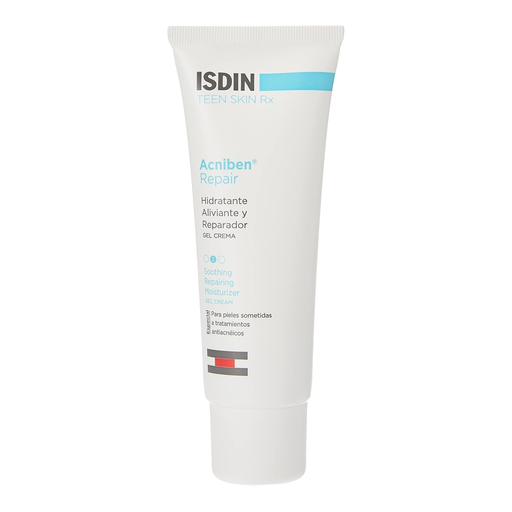
Why it suits this profile: An option for anyone looking for a gel cream for sensitive or blemish-prone skin and who considers a fragrance-free formula important.
The target audience, gel texture and fragrance-free formula are clearly described. This helps distinguish a general moisturiser from targeted skincare.
40 ml size, fragrance-free gel cream and hyaluronic acid according to the product specifications.
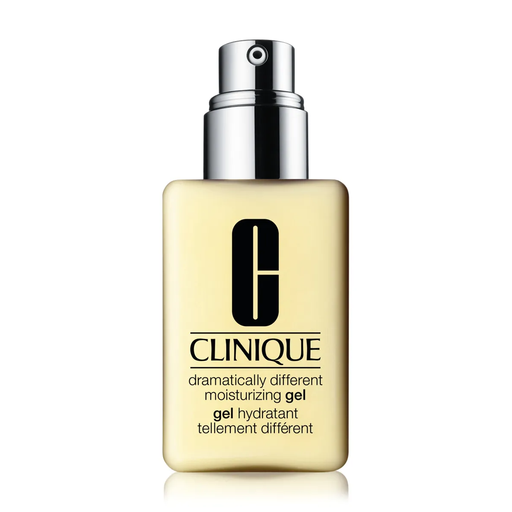
Why it suits this profile: According to the product information, this lightweight moisturiser is oil-free, fragrance-free and intended for oily or combination skin.
The product choice is based on checkable features such as skin type, fragrance-free and oil-free formulation, rather than just a general feeling of freshness.
125 ml size, oil-free formula and intended for use in the morning and evening.
We have put together a complete, up-to-date list of products that fully meet these strict selection criteria and the applicable European safety regulations.
Pay attention to the expiry date and the period after opening shown on the packaging. It is best not to use a product if its smell, colour or texture has changed. Keep the jar or tube tightly closed and out of direct sunlight.
Often, yes, particularly when the formula is lightweight, oil-free or non-comedogenic according to the product specifications. Also check that it does not contain ingredients that have irritated your skin in the past. Oily skin still needs moisture; feeling less greasy does not mean you should skip hydration.
Yes, a fast-absorbing gel cream can be practical under make-up. Apply a thin layer and wait a moment before using primer or foundation. Too much product can pill, especially when several layers of skincare are applied one after another in quick succession.
Check the expiry date and the symbol showing, for example, 12M on the packaging. This indicates how long the product is intended to be used after opening. The actual usable period also depends on storage and hygiene. Use a spatula with a jar and avoid touching the contents with damp hands as much as possible.
