
Vandaag of morgen in huis

Kwaliteit gegarandeerd

Welkomstaanbiedingen ontgrendelen: GRATIS bezorging | Tot 80% korting | Gratis 30 dagen JoyPlus-proefperiode
Download de app
Buying a moisturising cream sounds simple, until you have to choose between a face cream, gel cream, body lotion or moisturiser for sensitive skin. Marketing copy often promises long-lasting hydration, a restored skin barrier or a lightweight texture. However, a striking claim does not always say much about how well a product suits your skin, routine or preferences.
With this practical guide, start by looking at the intended use, ingredients and texture. You can then compare a moisturising face cream, lotion for dry skin and oil-free moisturiser more effectively.
Statements such as “72-hour hydration” or “100 hours of moisture” sound appealing. Always check how the claim is supported. Depending on whether it is based on the brand’s own research or a product test, the measurement method may vary. For some products, it may involve an instrumental measurement or a limited number of participants.
Treat this information as a product specification rather than a guarantee for your skin. Factors such as showering, climate, skin type and the rest of your routine can affect the result.
A body lotion is generally designed for larger areas of skin and may have a different texture, fragrance or oil phase from a face product. For the face, features such as non-comedogenic, oil-free and fragrance-free may be more important to some users.
A lotion for dry skin can be practical for arms, legs, elbows and knees. For the neck and face, a moisturising face cream is often easier to apply evenly.
A vegan or natural formula may match your preferences, but that alone does not mean your skin will find the product comfortable. Fragrance-free creams can also contain ingredients that some people are sensitive to. Always check the full ingredients list and test a new product on a small area of skin first.
If irritation, redness or discomfort persists, it is best to stop using the product. Cosmetics are intended for external use and are not a substitute for medical treatment.
Start by asking yourself what you need the cream for:
A rich cream can feel pleasant on dry skin, but may be less comfortable under make-up or in warm weather. A gel cream or water gel usually feels lightweight and may suit oily or combination skin.
Look for terms such as fast-absorbing, non-greasy and non-sticky. These describe the product formula and user experience, rather than offering universal guarantees.
Many moisturising formulas contain glycerine, hyaluronic acid, panthenol, shea butter or occlusive ingredients such as petrolatum. A hyaluronic acid cream may be appealing if you are looking for a lightweight moisturiser, but the overall formula remains more important than any single ingredient.
Also check:
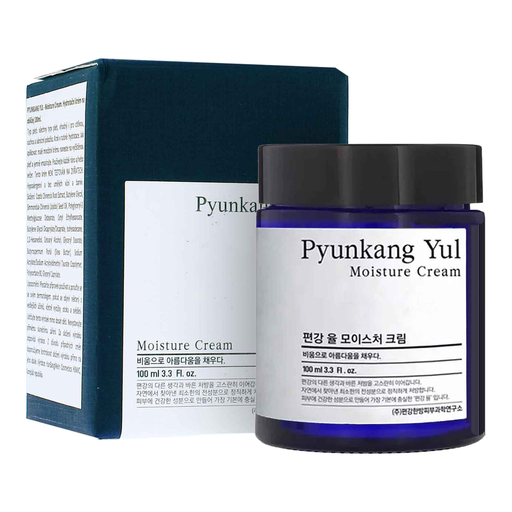
Why it suits this profile: This cream is designed for daily use on the face and neck, has a creamy texture and comes in a 100 ml pack. According to the product information, the formula is fragrance-free and suitable for different skin types, with particular attention to sensitive and oily skin.
The product information states that it contains no fragrance and describes a fast-absorbing, non-greasy formula. However, always check the packaging and ingredients list when you receive it.
100 ml for daily use; fragrance-free product information; ingredients including Chinese gold thread extract, shea butter and jojoba oil.

Why it suits this profile: This gel cream is designed to hydrate the face and, according to the product information, contains ingredients including an aloe bio-ferment and hyaluronic acid complex. The formula is oil-free, fragrance-free and suitable for different skin types.
The texture is described as a gel cream and the formula contains no oil or fragrance according to the product details. The long-lasting hydration claim comes from Clinique and should be understood as a brand claim.
75 ml; oil-free gel cream; fragrance-free and, according to the product information, allergy-tested and non-comedogenic.
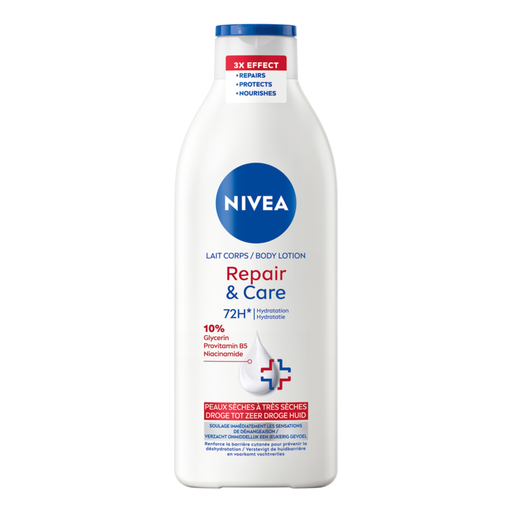
Why it suits this profile: For anyone who moisturises their whole body every day, the 400 ml bottle provides a practical amount. According to the product information, this body lotion is designed for dry to very dry skin and the formula contains glycerine, provitamin B5 and niacinamide.
The intended use is clearly described as body lotion, so you do not need to use a face product on large areas of the body. However, the formula does contain fragrance; check this if you are looking for a fragrance-free cream.
400 ml; fast-absorbing, non-greasy texture according to the product description; glycerine complex, provitamin B5 and niacinamide.
We have put together a complete, up-to-date list of products that fully meet these strict selection criteria and the applicable European safety regulations.
Apply face cream to cleansed skin, preferably while the skin is still slightly damp. Use a small amount and distribute it over your face and neck. Body lotion works particularly well straight after showering, when the skin is clean. Dry areas such as knees, elbows and heels may need extra attention.
A product with SPF does not automatically replace a separate sun protection product. For daytime use, check the instructions and add sun protection when necessary.
In practice, these terms are often used interchangeably. “Moisturiser” is the English term for a moisturising cream or lotion. The main difference lies in the formula, texture and intended use: a gel cream feels lighter, while a richer cream can provide greater comfort for dry skin.
Check the packaging for the expiry date or the open-jar symbol, such as 12M or 24M. Store the product according to the instructions, close the packaging after use and look out for changes in its smell, colour or texture. Stop using a product if it has clearly changed.
Only if the product information states that it is suitable for both uses and the formula feels comfortable on your face. Body lotion is often more economical for larger areas, while face cream is more specifically formulated for the needs of facial skin. Always check the fragrance, oils and recommended skin types before using one product for both.
