
Same-day & Next-day Delivery

Quality Guaranteed

Unlock Your Welcome Offers: FREE Delivery | Up to 80% OFF | Free 30-day JoyPlus trial
Download the APP
A shiny forehead by lunchtime, a tight feeling despite moisturising, or blemishes that seem to get worse with your day cream. Sound familiar? You're not alone. The search for the perfect moisturiser for oily, combination, or sensitive skin can feel like navigating a maze. A gel cream for the face is often recommended as the solution, but there are hidden pitfalls here too.
Before you invest in a new jar, it's wise to know what to look for. Many products promise hydration without a greasy feel but don't always deliver. We've outlined the most common missteps to help you make an informed choice.
To avoid the pitfalls, it's helpful to look at a few objective characteristics. These specifications on the packaging or in the product description tell you more than marketing promises.
The texture is the first indicator of how a product will feel on the skin. For oily or combination skin, a lightweight face cream is essential.
Look for the term non-comedogenic. This means the formula is designed to minimize the chance of clogging pores, a key feature for a day cream for oily skin.
A good gel cream does more than just hydrate. The right active ingredients can help balance the skin and address specific concerns.
Based on formula, texture, and intended use, we have selected several products that suit different needs.
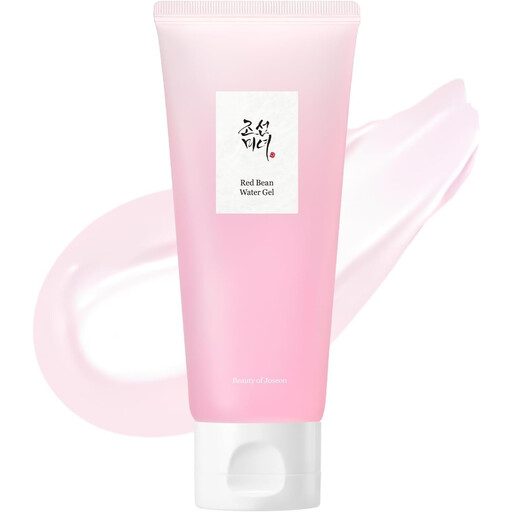
Why This Fits Their Persona: This product is ideal for those with oily skin looking for hydration that won't exacerbate sebum production. The light gel texture feels fresh, and the generous 100 ml size offers excellent value for money.
It avoids the pitfall of using a cream that's too rich for oily skin. According to the manufacturer, the red bean extract (44%) helps absorb excess sebum, while the formula focuses on hydration.
The formula contains a peptide complex that supports skin health. Its lightweight gel texture minimises any sticky feeling, making it a pleasant hydrating gel for daily use.
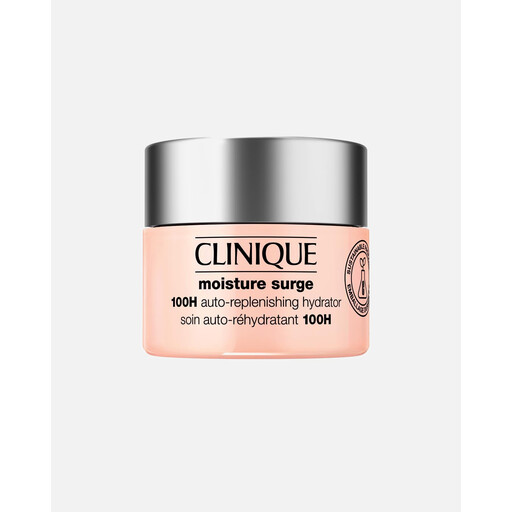
Why This Fits Their Persona: Perfect for those who experience tightness on their cheeks but want to avoid a shiny T-zone. This product is a household name that focuses on pure, deep, oil-free hydration.
This oil-free gel-cream bypasses the "oil-free yet heavy" pitfall. The formula is exceptionally lightweight, absorbs quickly, and leaves no sticky residue, making it an ideal base for makeup.
The formula contains aloe bio-ferment and hyaluronic acid. According to Clinique, the hydration penetrates deep into the skin's surface and lasts for an extended period, even after washing your face.
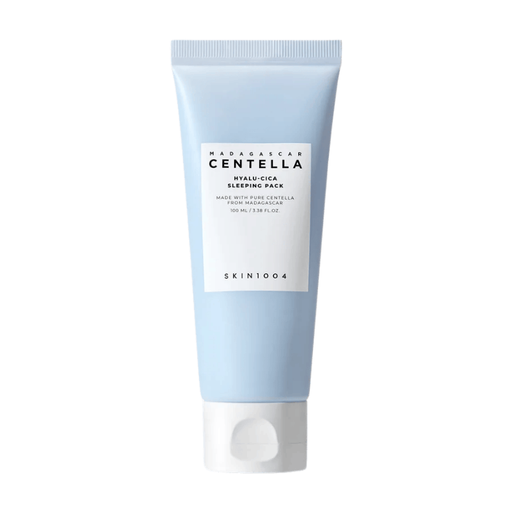
Why This Fits Their Persona: Suitable for those with sensitive or acne-prone skin that is easily irritated. This product focuses on soothing and repairing in addition to hydrating. Although labelled a "sleeping mask," its light gel texture works perfectly as a day or night cream.
This product avoids the pitfall of irritating ingredients. The formula is built around the soothing properties of Centella Asiatica, combined with the hydration of hyaluronic acid, making it a gentle choice.
The "Hyalu-Cica" formula is specifically designed to replenish the skin's moisture levels and prevent moisture loss. The addition of niacinamide and panthenol further supports the skin barrier.
We have compiled a complete, up-to-date list of products that fully meet these strict selection criteria.
Yes, you certainly can. Dry skin needs both moisture (water) and fats (lipids). A hydrating gel can be an excellent first step in your routine to provide a boost of hydration. Apply it to clean, damp skin and follow up with a richer cream or a few drops of face oil to lock in the moisture. Look for gel creams that also contain barrier-supporting ingredients like ceramides.
The term non-comedogenic indicates that the formula is made with ingredients that are less likely to clog pores. It's a guideline, not an absolute guarantee, as every skin reacts uniquely. However, for skin prone to acne or blemishes, choosing non-comedogenic products is a much safer approach to minimise the risk of breakouts.
For an optimal hydrating effect, apply the gel cream to a slightly damp face, for instance, right after cleansing or after using a toner or essence. This helps to "lock" the moisture into the skin. A pea-sized amount is usually sufficient for the entire face. Gently massage it in until it is fully absorbed.
