
Vandaag of morgen in huis

Kwaliteit gegarandeerd

Welkomstaanbiedingen ontgrendelen: GRATIS bezorging | Tot 80% korting | Gratis 30 dagen JoyPlus-proefperiode
Download de app
A face cream for sensitive skin needs to do more than feel pleasant. If your skin is prone to dryness, redness, tightness or a shiny T-zone, you’re probably looking for a combination of gentle ingredients, lasting hydration and a texture that suits your skin type.
But comparing products isn’t always straightforward. Marketing terms such as “restorative”, “soothing” and “for all skin types” don’t tell you much on their own. Always check the ingredients list, directions for use and any claims made by the brand.
A cream’s product description may say it helps your skin feel more comfortable, but that doesn’t mean it will suit every skin type. Claims about redness, repair or a stronger skin barrier are often based on information from the brand. A brand’s own research or product information may suggest that certain ingredients are suitable for these purposes, but individual results vary.
Look out for specific information:
A product described as “hydrating” but intended for hair, such as some hair creams, doesn’t automatically belong in your facial skincare routine.
Ceramides, panthenol, Centella Asiatica and hyaluronic acid are often found in Korean skincare creams. That can be useful to know, but it’s the overall formula that determines the texture and suitability. A cream with ceramides may feel rich and protective, while a gel cream with hyaluronic acid may feel lighter.
So look at the formula as a whole:
A cream for dry, irritated skin won’t necessarily suit oily skin. A rich formula may feel comforting in winter, but too heavy during the day. If your pores become clogged easily, look for a non-comedogenic moisturiser. Check that this claim actually appears on the product page, rather than only in general advertising copy.
A fragrance-free face cream is a sensible choice if your skin reacts easily to fragrance. Also look out for essential oils, scented plant extracts and types of alcohol that may be present in some formulas. “Natural” doesn’t automatically mean gentle for everyone.
A moisturising cream for sensitive skin often contains glycerine, betaine, panthenol or hyaluronic acid. If your skin is dry, you may prefer a formula that also contains shea butter, squalane, fatty acids or ceramides. If you want to support your skin barrier, a well-balanced cream is usually a better choice than a product containing just one active ingredient.
Try any new product on a small area of skin first. Stop using it if you experience persistent itching, stinging, swelling or obvious irritation. If symptoms keep coming back, ask a doctor or dermatologist for advice.
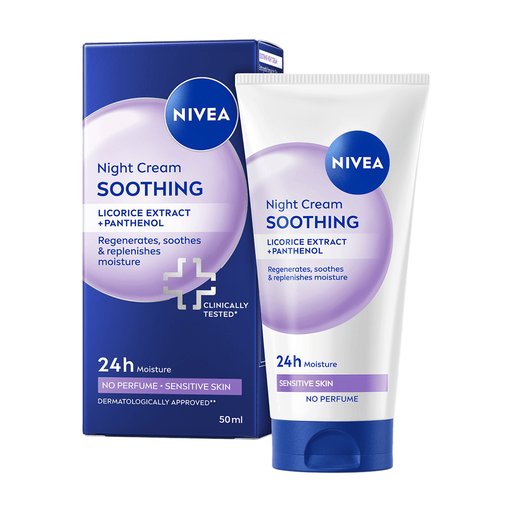
Why it suits this profile: A straightforward 50 ml night cream for anyone who wants to start with a simple routine. According to the product description, the formula is fragrance-free and pH-neutral.
The product page provides a full ingredients list and explicitly states that the cream is fragrance-free. This makes it easier to compare.
50 ml, fragrance-free, with glycerine, shea butter and panthenol according to the listed ingredients.
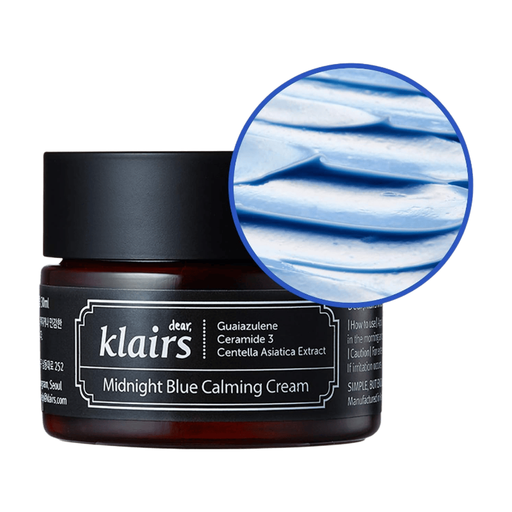
Why it suits this profile: According to the product description, this 30 ml cream is intended for targeted application as the final step in your evening routine, for example on areas that need extra comfort.
Its intended use is clearly defined: apply a small amount to sensitive areas, rather than automatically spreading a thick layer over your whole face.
Fragrance-free formula according to the product description, with Centella Asiatica, ceramide NP and guaiazulene.
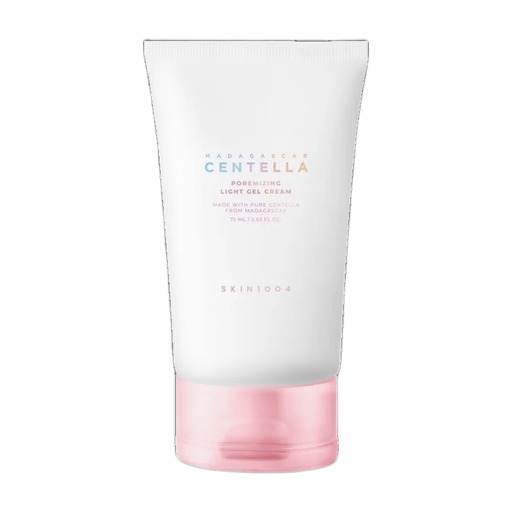
Why it suits this profile: Its gel texture and 75 ml size make it a good fit if you’re looking for a lightweight moisturiser for combination, oily or acne-prone skin.
The product information describes a lightweight gel cream. If your skin is reactive, check the long list of plant extracts and do a patch test first.
Gel texture, 75 ml and ingredients such as glycerine, panthenol, hyaluronic acid and Centella Asiatica.
We’ve put together a complete, up-to-date list of products that meet these strict selection criteria and current European safety regulations.
Choose a formula with humectants such as glycerine or panthenol, alongside soothing, protective ingredients such as shea butter, squalane or ceramides. A fragrance-free face cream can be a practical first choice if your skin reacts easily.
Usually, applying it after cleansing in the morning and evening is enough. During the day, also use a sunscreen that suits your skin. It’s better to apply a thin layer and add a little more later if needed, rather than starting with a thick layer.
Follow the shelf-life information on the packaging. Check the expiry date and the period-after-opening symbol. Store the cream tightly closed, in a dry place and out of direct sunlight. Has its smell, colour or texture changed? If so, stop using it.
