
Vandaag of morgen in huis

Kwaliteit gegarandeerd

Welkomstaanbiedingen ontgrendelen: GRATIS bezorging | Tot 80% korting | Gratis 30 dagen JoyPlus-proefperiode
Download de app
A ceramide cream can be a sensible choice if your skin feels dry, tight or lacking in moisture. Ceramides are lipids that occur naturally in the skin and help retain moisture. However, not every cream containing ceramides is suitable for every skin type. A high price, luxury packaging or promise of “intensive hydration” says little about the formula on its own.
A product may contain several ceramides, hyaluronic acid, plant extracts and peptides, but that does not automatically mean it will feel comfortable on your skin. Look at the overall formulation too. Glycerine, panthenol, squalane and fatty acids can contribute to a comfortable skin feel, while fragrance or essential oils may be less suitable for some users.
“Barrier care” and “restoring the skin barrier” are popular terms in Korean skincare. They do not always mean the same thing. Check which ceramides are actually listed in the ingredients, such as Ceramide NP, AP, AS, NS or EOP. Also look for supporting ingredients such as cholesterol, lecithin and fatty acids.
According to a brand’s own research or product information, certain products may help strengthen the skin barrier or reduce redness. Treat these statements as brand claims rather than guaranteed results. Your experience may vary depending on your skin type.
A cream for dry skin does not automatically need to feel heavy or greasy. A gel cream can feel pleasant on dehydrated skin, while a richer cream may be more suitable if your skin quickly feels rough or parched. If you use make-up or sun cream, it is better to choose a formula that absorbs quickly. This helps prevent products from pilling or leaving a shiny finish.
Ceramides are one component of a hydrating face cream. For a comfortable feeling that lasts, a combination of ingredients is often more practical:
A hyaluronic acid cream is particularly appealing when you are looking for a lightweight moisture boost. For dry skin, it is sensible to apply a cream afterwards to help maintain that moisturised feeling.
Use a lotion or serum underneath a cream if you prefer applying several layers. A product such as the ANUA 7 Rice Ceramide Hydrating Barrier Serum is a serum, not a replacement for every moisturiser. The ingredients list includes glycerine, niacinamide, rice extract, sodium hyaluronate, Ceramide NP and panthenol.
A richer ceramide moisturiser is usually applied as the final step in your evening routine. During the day, a lighter formula under SPF may feel more comfortable. Always follow the packaging instructions and stop using the product if irritation occurs. If you have sensitive skin, testing a small amount on a limited area is a sensible precaution.
Do not compare the price alone; also consider the size. 50 ml, 55 ml, 80 ml or 100 ml can make a significant difference to how long the product lasts. Check the expiry date, batch information and period after opening on the packaging. Product information may vary between batches; the ingredients list on the product you receive is the definitive reference.
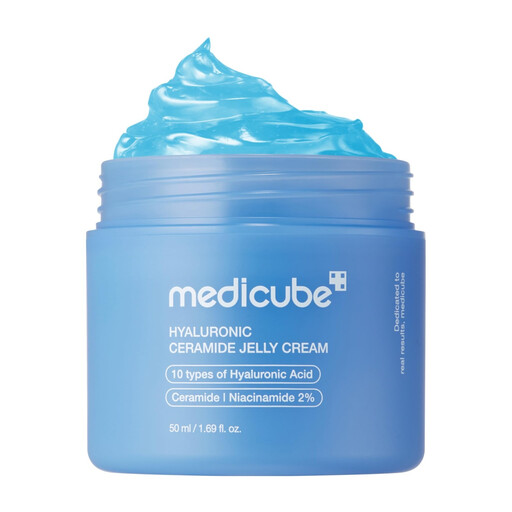
Why it suits this profile: The gel-like texture is a good starting point for anyone who wants to try a ceramide cream without immediately choosing a heavy, rich finish. The jar contains 50 ml and is designed for daily use.
The product information clearly describes the texture as a transparent jelly cream. This makes it easier to judge whether this moisturiser suits your preference for lightweight hydration.
Contains Ceramide NP, sodium hyaluronate, glycerine, panthenol and squalane. The formula is designed to provide a lightweight skin feel with moisturising care.
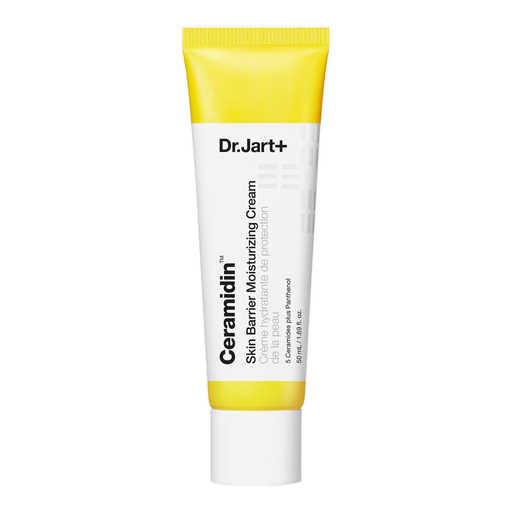
Why it suits this profile: This option is suitable for users specifically looking for multiple ceramides in one daily face cream and who appreciate a velvety, fast-absorbing texture.
The formula lists five ceramides, along with panthenol, glycerine, cholesterol and shea butter. You are therefore choosing based on verifiable ingredients rather than a marketing term alone.
50 ml; five listed ceramides; also contains cholesterol and panthenol. The product information states that it can be used morning and evening as the final skincare step.
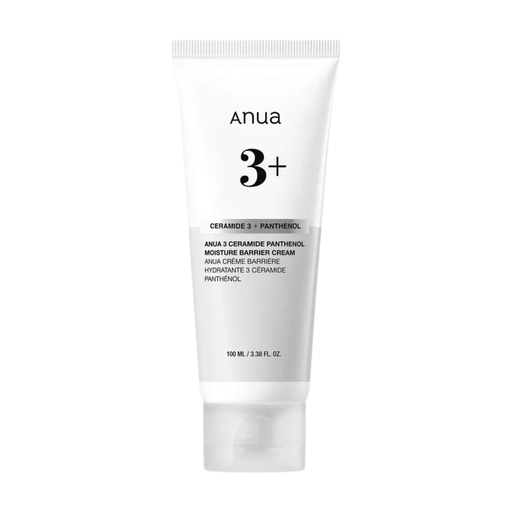
Why it suits this profile: The 100 ml size is practical for anyone who uses a generous amount every day or wants a larger pack for dry, dehydrated skin.
The formula lists three ceramides and also contains panthenol, glycerine, squalane, sodium hyaluronate and ectoin. This provides more context than a standalone claim about barrier care.
100 ml; Ceramide NP, AP and EOP; panthenol and hyaluronic acid in the ingredients list. The packaging states that it should be used as the final step in your routine.
We have compiled a complete, up-to-date list of products that fully meet these strict selection criteria and the applicable European safety regulations.
It can be, but check the full ingredients list. A moisturiser for sensitive skin containing ceramides, glycerine and panthenol may feel comfortable, while fragrance or essential oils may be less suitable for some users. Test a new product on a small area of skin first and stop using it if irritation occurs.
Yes, these ingredients are often found together in one formula. Hyaluronic acid helps bind moisture, while ceramides support the skin’s feel and barrier care. Apply a serum first, followed by a cream, unless the product instructions state otherwise.
That depends on the size and how much you use each time. A 50 ml product will generally last less long with daily use than an 80 or 100 ml pack. Keep the cream tightly closed, out of direct sunlight and according to the instructions on the packaging. You can find the exact shelf life on the product itself.
