
Owner of a cold conservatory
Your extra room often gets cold, and you want to reduce damp with a model suited to the temperature in the space. Be sure to measure the temperature during the coldest period when you use the room.


For an extra room that is often cold or unheated, a desiccant dehumidifier may be a good fit. If the room usually stays above 15 °C, a refrigerant dehumidifier is also worth considering. The Consumentenbond points out that desiccant models generally use more electricity. First, check for leaks and make sure the room is ventilated; then choose a model based on the measured room temperature, noise level and water drainage.
Your extra room often gets cold, and you want to reduce damp with a model suited to the temperature in the space. Be sure to measure the temperature during the coldest period when you use the room.
You also use the room for sleeping, so noise and finding a practical place for the appliance matter alongside its dehumidifying capacity.
You can’t empty a water tank regularly and want to know whether a suitable drain and automatic humidity control would work for the way you use the room.
A good fit when: the conservatory is cold or unheated, and the model’s stated operating temperature range covers the measured room temperature.
Bear in mind: the Consumentenbond says desiccant models generally use more electricity than refrigerant models.
A good fit when: the room usually stays above 15 °C and electricity use is an important consideration. According to the Consumentenbond, refrigerant models work best above this temperature.
Bear in mind: according to the Consumentenbond, they are less suitable for cool rooms.
A good fit when: damp or mould keeps coming back, there may be a leak, or the room is poorly ventilated.
Bear in mind: a dehumidifier does not replace ventilation or fix a structural damp problem. The Dutch Government describes ventilation as removing damp and polluted air.
| What to consider | What to look for | Who should pay particular attention? |
|---|---|---|
| Performance in cold conditions | Measure the lowest room temperature and compare it with the model’s stated operating temperature range. | If I want to use the room during cold periods too, the appliance needs to work at that temperature. Around 33% of consumers say performance in cold conditions is their main concern when buying. |
| Source of damp and capacity | Investigate the source of damp, and compare capacity figures only when the stated temperature and humidity conditions are also given. | If I’m not sure whether the damp is caused by the room itself, poor ventilation or a leak, I want to find that out first and then assess the capacity I need. Around 27% of consumers put this concern first. |
| Noise | Compare the stated noise level and the fan setting it applies to. | If someone sleeps or spends time in the extra room, I want to know how much noise the appliance makes. Around 20% of consumers prioritise quiet operation. |
| Water drainage and power | Check the tank capacity or suitable hose connection, power rating and automatic humidity control. | If I’m not often in the room, I want to avoid relying on emptying a tank and be able to estimate how long the appliance will run. Around 20% of consumers prioritise these practical features. |
If there is a leak, poor ventilation or a structural issue, the underlying cause may remain. Milieu Centraal advises looking into the root cause if mould keeps coming back.
Investigate and tackle the source of damp first; then decide whether you need additional dehumidification.
A capacity figure measured in warm, humid test conditions does not tell you directly how much moisture an appliance will remove from a cold conservatory.
Compare capacity figures alongside the temperature and relative humidity they apply to, and check the operating temperature range.
The Dutch manufacturer’s page for the De’Longhi DNS80 lists a grey model. The Joybuy listing describes a white model and mentions R290 refrigerant, so the version and technology do not necessarily match.
Before treating an offer as the same appliance, compare the full model specification, technology and key details with the manufacturer’s information.
Qlima describes the DD 808 as a desiccant dehumidifier for cooler spaces.
Trotec recommends the TTR 57 E desiccant dryer for cool spaces and also lists a conservatory as a suitable setting.
The WDD80 is a desiccant model with a hose connection. Its manual recommends a working area of 2–40 m².
The Dutch manufacturer’s page lists the Tasciugo AriaDry Light DNS80 as a model to compare for its version and moisture removal.
The Joybuy products below are dehumidifiers for general moisture reduction. Check each model to make sure its appliance type and permitted operating temperature are suitable for a cold conservatory. The NVWA explains that CE marking is compulsory for electrical products covered by the applicable rules; check the marking and details for the specific model on offer.
 No image available
Worth considering for reducing damp in an extra room; check that its operating temperature is suitable for the coldest periods.
Details stated in the product name: 10 l/day, 2,5 l tank, R290 and a 36 dB sleep mode.
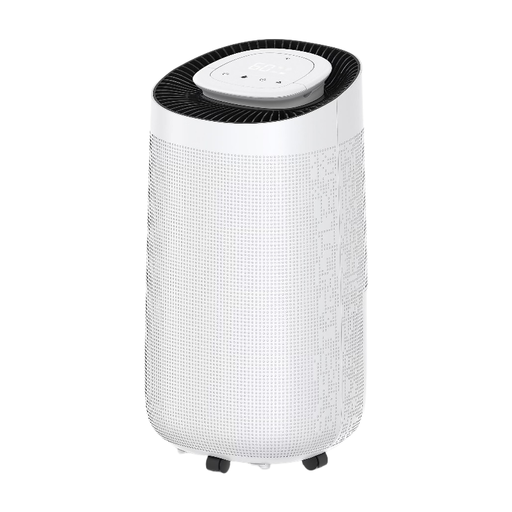 No image available
An option to compare for an extra room; check the temperature limits and available water drainage for the way you plan to use it.
Details stated in the product name: capacity of 16 l/day, 3,2 l tank and white finish.
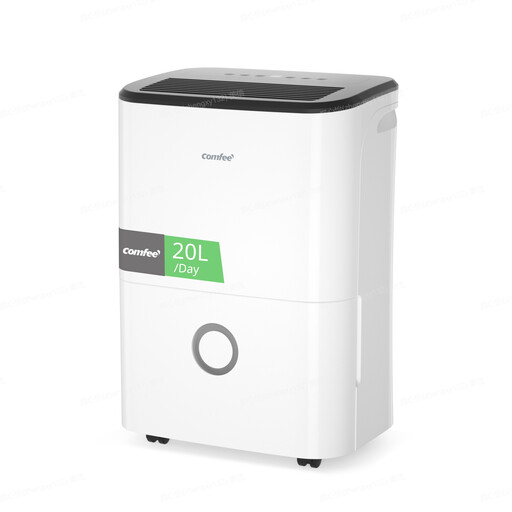 No image available
Only compare this model for an extra room once you have confirmed that this type of appliance is suitable for the room temperature.
Details stated in the product name: 20 l/day, removable 3 l tank, R290 and a suitable room size of around 100 m³ (40 m²).
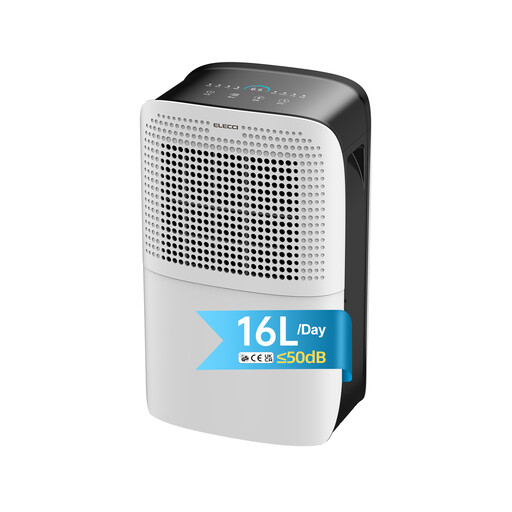 No image available
Worth comparing if you’re looking for an option with water drainage; check that the stated application suits the size and temperature of your room.
Details stated in the product name: 3,1 l tank, four modes, R290 and a room size of 32 m².
 No image available
The product information says it has a compressor. The Consumentenbond says refrigerant models are less suitable for cool rooms, so first check whether this model is right for the temperature in your conservatory.
Details stated in the product name: capacity of 16 l, 2,5 l tank, continuous drainage and a 24-hour timer.
A desiccant model is an option for a cold or unheated space, while the Consumentenbond says refrigerant models work best above 15 °C. Measure the temperature in your conservatory and check the permitted range for the specific model. Desiccant models generally use more electricity.
No, a dehumidifier does not replace ventilation. The Dutch Government describes ventilation as removing damp and polluted air. If damp persists, investigate the cause too, such as a possible leak.
Multiply the stated power in kilowatts by the number of hours you expect it to run and your own price per kWh. Automatic humidity control can affect actual running time, so this is an estimated scenario rather than a fixed running cost.
CE marking is required for electrical products covered by the applicable rules; the NVWA explains the regulations for electrical equipment. CE marking is not an independent performance test. Check the marking and details for the specific model on offer.
Follow the instructions for your chosen appliance when positioning and cleaning it. For example, the Wood’s WDD80 manual says to unplug the appliance before maintaining the filter and to keep it away from sources of water. Don’t assume these model-specific instructions apply to other appliances.