
Vandaag of morgen in huis

Kwaliteit gegarandeerd

Welkomstaanbiedingen ontgrendelen: GRATIS bezorging | Tot 80% korting | Gratis 30 dagen JoyPlus-proefperiode
Download de app
Condensation on the windows, a musty smell in the basement, or small black spots in the bathroom. Sound familiar? High humidity is a common problem in many homes. An electric dehumidifier, sometimes called an electric moisture absorber, seems like the logical solution. But when choosing a model, it's easy to fall into common traps, leaving you with a device that doesn't meet your needs.
As a Joybuy Product Recommendation Officer, I'm here to help you see through the marketing hype. Before you buy a dehumidifier, watch out for these three common missteps:
To make the right choice, it's crucial to focus on the specifications that truly matter for your situation. Here are the three most important factors to check.
The dehumidification capacity, expressed in litres per day (L/day), indicates the maximum amount of moisture a unit can remove. This should be proportional to the size of the room and the severity of the moisture problem.
dehumidifier for mould in a damp basement, or for drying laundry, you'll need a powerful unit with a capacity of 20 L/day or more.The noise level is crucial for your comfort, especially if the unit will be placed in a living area or bedroom. A quiet dehumidifier is essential for undisturbed use.
bedroom dehumidifier.An energy-efficient dehumidifier will save you money in the long run. Pay attention to the power rating (Watts); a lower number typically means lower consumption. Modern devices have smart features that help with this:
dehumidifier for drying clothes) that uses a powerful airflow to help your laundry dry faster, which is especially useful in autumn and winter.Based on these objective criteria, we have selected several models that suit different user profiles.
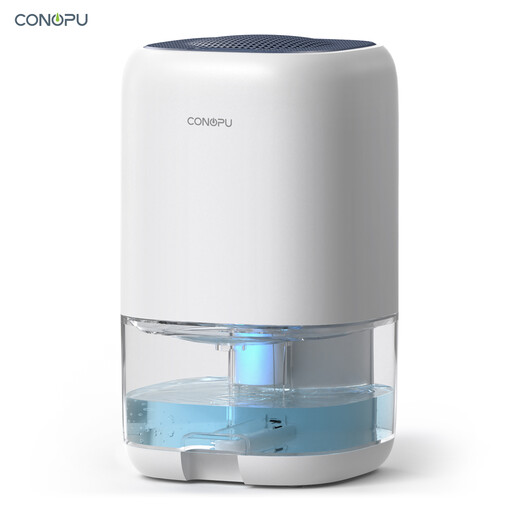
Why This Fits Their Persona: Ideal for those looking to tackle a specific, small damp area, like a wardrobe, small bathroom, or a corner prone to condensation. It's compact, affordable, and easy to use.
This model avoids the capacity myth by clearly targeting small spaces (5-15 m?). Its performance is tailored to its application, without making exaggerated promises.
Very compact and lightweight. Its operation is quiet, making it non-disruptive in its immediate surroundings. Simple one-button control.
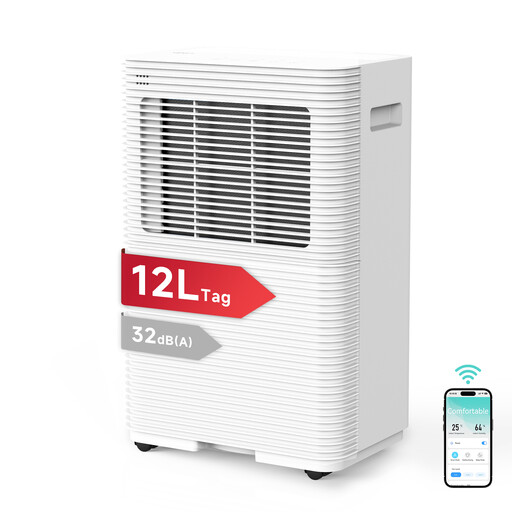
Why This Fits Their Persona: Perfect for those who want to maintain healthy humidity levels in the bedroom or living room without being disturbed by noise. The smart features offer added convenience for daily use.
This model tackles the 'noise trap' head-on with a dedicated sleep mode of just 32 dB. Its 12 L/day capacity is realistic for its intended spaces of up to 24 m?.
Extremely quiet operation in sleep mode. Remote control via an app with a 24-hour timer, which contributes to efficient energy use.
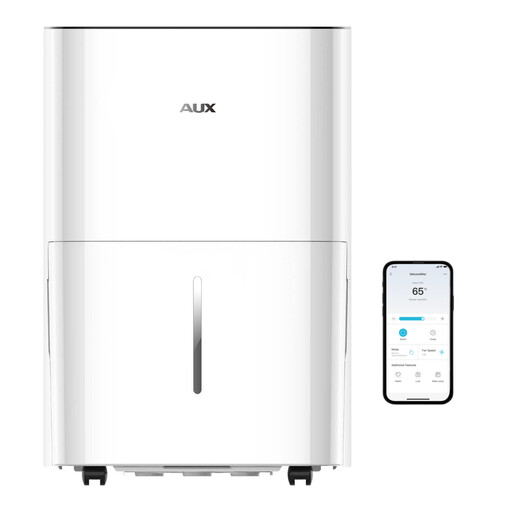
Why This Fits Their Persona: For those who need to tackle serious moisture problems in a basement or garage, or who are looking for an efficient solution to dry laundry indoors. Power and functionality are key here.
This model avoids the energy cost trap by complying with recent energy efficiency standards. Its high capacity of 20 L/day is suitable for heavy-duty tasks, without making false promises.
Powerful dehumidification and low standby consumption. The built-in system for continuous operation (up to 8 hours) minimises the need to empty the tank.
We have compiled a complete, up-to-date list of products that meet these strict selection criteria and local safety regulations.
The cost depends on the unit's power rating (Watts), how often you use it, and your electricity rate. An energy-efficient dehumidifier with a 200W (0.2 kW) rating running for 8 hours a day will consume 1.6 kWh per day. At an electricity price of €0.30 per kWh, this amounts to about €0.48 per day. Models with a hygrostat are more economical because they only turn on when needed.
Yes, a dehumidifier for mould is very effective. Mould thrives in a humid environment (usually above 60% humidity). By consistently lowering the humidity to a healthy level of 40-50%, you deny mould the conditions it needs to grow. Note: you must first remove any existing mould. The dehumidifier will then help prevent it from returning.
This depends on the situation. For an acute moisture problem, such as after a leak or when drying laundry, you can let the unit run continuously until the issue is resolved. For regular maintenance, it's best to use a model with a hygrostat. Set it to your desired humidity level (e.g., 50%), and the appliance will handle the rest automatically. This ensures it never runs unnecessarily.
