What should you look for when buying?
Start by considering the temperature during the hours you plan to use it. Then compare capacity, noise at night and the practicalities of emptying and maintenance.
| What to consider |
What should you check? |
Who is this most relevant to? |
| Effective moisture removal |
Address the cause and compare capacity in litres per 24 hours under similar temperature and humidity conditions. Also consider the size of your bedroom. |
If damp keeps coming back, I want to know whether the appliance is right for the room once the cause has been addressed. Around 36% of consumers put effective moisture removal first. |
| Noise at night |
Check the stated noise level and the lowest setting. Also see whether it has a timer or sleep mode if you don't want it running all night. |
I don't want the appliance to keep me awake while I'm trying to sleep. Around 29% of consumers say noise at night is their main concern. |
| Performance in a cold room |
Measure the temperature during the hours you plan to use it. The Consumentenbond says compressor dehumidifiers are particularly suitable above 15 °C; adsorption may be suitable for colder spaces. |
My bedroom stays cold or unheated, so I want to choose a technology that suits that temperature. Around 14% of consumers prioritise performance in a cold room. |
| Power, emptying and maintenance |
Compare energy use, tank capacity and whether continuous drainage is available. Also check the automatic shut-off and filter maintenance instructions. |
If I use it regularly, I want to know how often I'll need to empty the water and what maintenance is required. Around 21% of consumers give ongoing costs and maintenance top priority. |
Dehumidifiers at Joybuy
These compressor dehumidifiers are options to compare for managing moisture in a bedroom. When choosing, consider the temperature where you'll use it, capacity, noise and how you'll drain the water.
 No image available
CONOPU 16L dehumidifier
An option if you want to set your preferred humidity level automatically and schedule operation around your sleep routine.
Stated capacity of up to 16 litres per day; 2.5-litre tank; continuous drainage; 24-hour timer and sleep mode. Without continuous drainage, you'll need to empty the tank.
View at Joybuy
 No image available
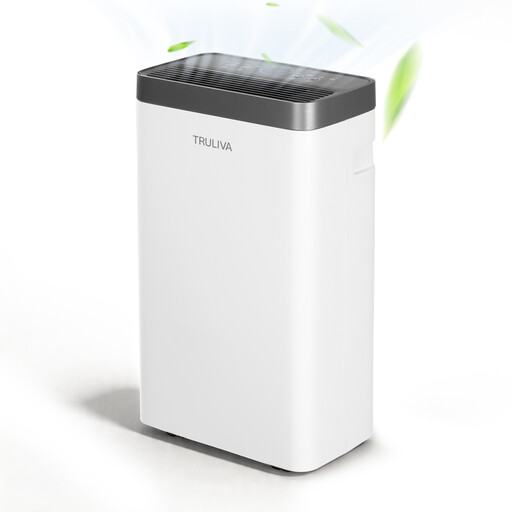
TRULIVA AP10-2012EE 16L dehumidifier
An option to compare for a bedroom where automatic control and using the appliance outside sleeping hours are important.
Stated capacity of up to 16 litres per day and suitable for rooms up to approximately 32 m²; 1.35-litre tank, with continuous drainage as an alternative. Below 15 °C, frost may form and the compressor may temporarily stop during automatic defrosting.
View at Joybuy
 No image available
ELECCI 12L/D dehumidifier
An option to compare for a bedroom within the stated room size, with scheduled operation and a drainage option.
Stated capacity of up to 12 litres per day and suitable for rooms up to 25 m²; 3.8-litre tank, 24-hour timer and continuous drainage with a hose.
View at Joybuy
 No image available
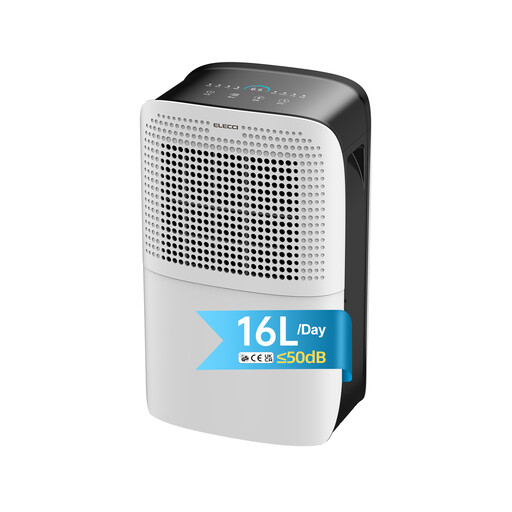
ELECCI 16L/D dehumidifier
An option to compare for a bedroom within the stated room size if you want automatic control and continuous drainage.
Stated capacity of up to 16 litres per day and suitable for rooms up to 32 m²; 3.1-litre tank, four modes and a 24-hour timer. Continuous drainage requires the drain hose to be connected.
View at Joybuy
 No image available
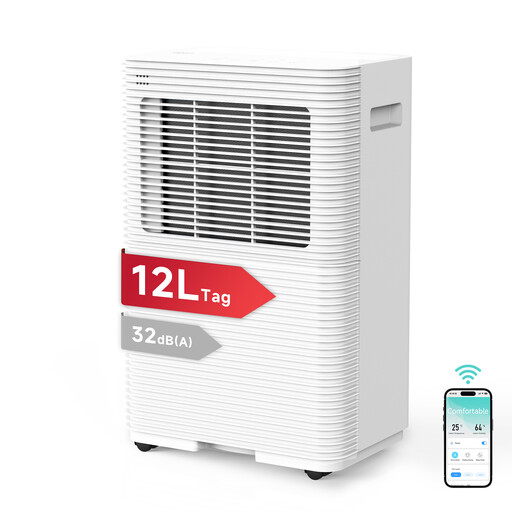
VINO 12L Smart dehumidifier
An option to compare if you want to combine sleep mode, app control and scheduling.
Stated capacity of up to 12 litres per day and suitable for rooms up to 24 m²; 1.8-litre tank and three modes. The product title states 32 dB. The hose for continuous drainage isn't included.
View at Joybuy
Frequently asked questions
Should I buy a dehumidifier as soon as I see condensation on my bedroom window?
No, not based on condensation alone. First check the ventilation, look for possible leaks and measure the humidity. According to the Consumentenbond, a dehumidifier may help if humidity remains consistently above 65% after the causes have been addressed.
Should I close the ventilation grilles when the dehumidifier is running?
No, don't replace essential ventilation with dehumidifying. The Rijksoverheid recommends adequate ventilation, day and night. For effective use of the appliance, the Consumentenbond recommends closing windows and doors while dehumidifying; this doesn't mean you should permanently switch off the ventilation your home needs.
What maintenance does a dehumidifier need?
Empty the tank according to the instructions and keep the air inlet, air outlet and dust filter clean. The Consumentenbond recommends cleaning the dust filter about once every two months, or more often with heavy use. Also follow the manufacturer's instructions for your chosen model.
What are my consumer rights when buying from a Dutch online shop?
When you buy online from a business, you usually have a 14-day cancellation period; check the applicable terms and exceptions. If a product is faulty, the seller must provide a remedy under the statutory guarantee. The Rijksoverheid states that the Netherlands does not have a fixed statutory two-year guarantee period.
What should I do if mould or a leak keeps coming back in my rented home?
First, report the damp, leak or mould to your landlord in writing and keep a copy. According to the Rijksoverheid, if the issue isn't fixed, you may be able to take further steps depending on its severity and circumstances, including contacting your municipality or the Huurcommissie. A dehumidifier is no substitute for repairing a fault.


