
Vandaag of morgen in huis

Kwaliteit gegarandeerd

Welkomstaanbiedingen ontgrendelen: GRATIS bezorging | Tot 80% korting | Gratis 30 dagen JoyPlus-proefperiode
Download de app
A bottle of cooking oil may seem like a straightforward purchase, but there is a big difference between a suitable oil for frying, a flavourful finishing oil and an oil for stir-frying. If you only look at the price, packaging or a bold brand claim, you could end up with a product that is not right for the job.
Pay particular attention to these three common pitfalls:
The right choice depends on the temperature, flavour and intended use.
Do not just look at the name on the front. A pure oil usually lists one main ingredient, such as 100% sesame oil, 100% almond oil or 100% refined coconut oil. A blend may also contain peanut, soya, palm or sunflower oil.
According to the product information, Sum & Sam Wok Oil contains peanut oil, palm oil and natural flavouring; the packaging also states that it may contain traces of sesame. According to the product specifications, Haday Sesame Oil consists of 100% sesame oil and contains sesame as an allergen. Always check the current packaging, particularly if you have a food allergy.
Not every cooking oil is intended for the same temperature. An oil sold mainly as a flavouring is generally used sparingly over noodles, soup, dumplings or vegetables. A product carrying the instruction “cooking required” must first be heated according to the directions.
Chilli oil, for example, is particularly useful as a dressing, dipping sauce or flavour enhancer for a stir-fry. For a neutral base at high heat, a specific cooking oil or wok oil may be more practical. The stated suitability comes from the product description; you should also follow the instructions on the label.
Light, heat and air can affect the quality of oil after opening. Keep the bottle tightly sealed in a cool, dry place away from direct sunlight. Some products need to be refrigerated after opening, including the lard mentioned above and certain sesame oils.
A 150 to 250 ml bottle is useful when you want to try a distinctive flavour first. For everyday cooking, a 500 ml or 1 litre pack may offer better value, as long as you use the oil within a suitable period. Take care with lard and refrigerated storage; Sijia Kitchen Lard 660 g states that it should be kept in the refrigerator after opening.
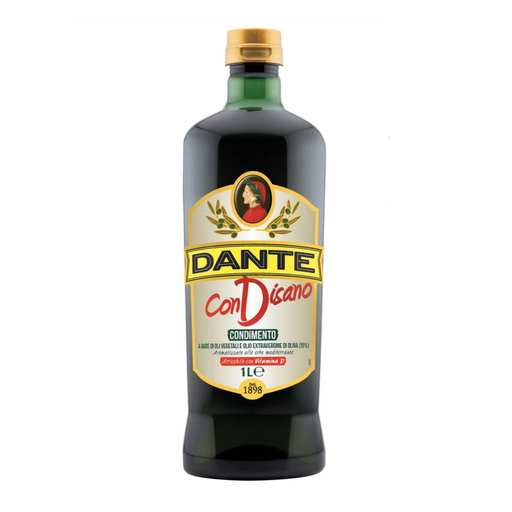
Why it suits this profile: A generous pack size for anyone looking for one versatile oil for salads, sauces, soups and everyday cooking.
The composition lists sunflower oil, maize oil and 15% extra virgin olive oil. It is therefore clear that this is a blend.
1 litre capacity; suitable for use raw and for general cooking according to the product information.
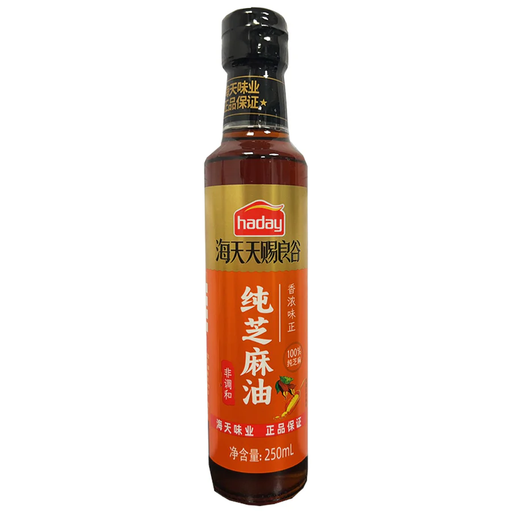
Why it suits this profile: For anyone looking for a distinct toasted sesame flavour in noodles, soups, marinades and Asian dressings.
The ingredients list contains sesame oil only. The bottle makes it clear that sesame is the main flavour, rather than a neutral cooking base.
250 ml capacity; made from toasted sesame and suitable as a finishing oil according to the product information.
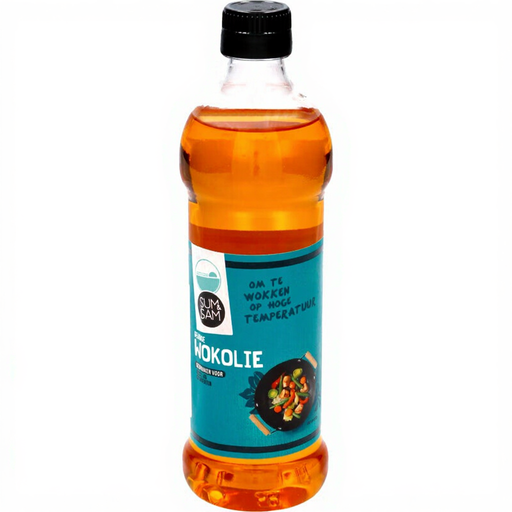
Why it suits this profile: For home cooks who regularly use a wok and want to try a blended wok oil containing peanut oil and palm oil.
The product information names the oils used and the natural flavouring. Sesame is also listed as a possible allergen.
500 ml capacity; developed as a wok oil with peanut oil, palm oil and flavouring according to the stated composition.
If you like to vary your oils, you could also consider:
We have put together a complete, up-to-date list of products that fully meet these strict selection criteria and the applicable European safety regulations.
Choose a product whose label states that it is suitable for frying or heating. A neutral cooking oil is generally more practical than a strongly flavoured sesame oil or chilli oil. Use the recommended temperature and replace the oil when it becomes dark, syrupy or develops a strong smell.
That depends on the type of sesame oil and the instructions on the packaging. Toasted sesame oil is often used as a flavouring or finishing oil. For example, add it at the end for extra aroma. For the base of a hot wok, a neutral wok oil may be more suitable.
Seal the bottle immediately after use and store it somewhere cool and dry, away from direct sunlight. Check whether the product needs to be refrigerated after opening. For a distinctive oil, you may wish to note the opening date so that you can check its smell, colour and best-before information again in good time.
