
Vandaag of morgen in huis

Kwaliteit gegarandeerd

Welkomstaanbiedingen ontgrendelen: GRATIS bezorging | Tot 80% korting | Gratis 30 dagen JoyPlus-proefperiode
Download de app
The right cooking oil depends on what you plan to prepare. A neutral oil for everyday cooking is not automatically the best choice for an Asian stir-fry, a dressing or a deep fryer. A larger pack is not always more economical either: exposure to light, heat and repeated use can cause oil to deteriorate more quickly.
This guide explains what to look for in cooking oil, frying oil and speciality oils such as rice oil, sesame oil, olive oil, coconut oil, palm oil and lard. The recommendations are based on verifiable product information, including ingredients, volume, storage advice and stated uses.
A 500 ml bottle may appear inexpensive, but it can cost more per litre than a 1- or 3-litre pack. At the same time, a large bottle is less practical if you only cook occasionally. Always check:
For a household that cooks daily, a 1-litre pack or larger may make sense. For a student, small household or occasional user, a smaller bottle is often more convenient.
Terms such as “healthy”, “premium”, “natural” or “high smoke point” do not always tell you enough. Start by checking the ingredients list and nutrition table. From a nutritional perspective, oil consists almost entirely of fat; the differences lie primarily in its composition, flavour, processing and intended use.
According to KING’s own product information, KING Rice Oil has a smoke point of 240°C. This is a verifiable product specification from the product description, but always check the current packaging before use.
Sesame oil is often intended to add flavour, while a neutral sunflower oil may be more practical for everyday cooking. Lard provides a pronounced savoury flavour and becomes solid at lower temperatures. An oil that works well in a dressing is not necessarily the most practical choice for prolonged deep-frying.
Choose an oil based on how you plan to use it:
A smoke point is not a complete measure of quality. It mainly indicates the temperature at which visible smoke may develop. Do not heat oil for longer than necessary and follow the instructions on the label.
Check whether the product contains a single oil or is a blend. According to the product information, Olio Dante Mixed Sunflower and Olive Oil contains sunflower oil, corn oil and 15% extra virgin olive oil, along with flavouring and vitamin D. This is different from pure olive oil.
Also pay attention to allergens:
Dutch and European labelling regulations require relevant ingredients and allergens to be clearly declared. If the information on a web page conflicts with the packaging, the label should take precedence for everyday use.
Store cooking oil sealed, in a cool, dry place away from direct sunlight. This advice is also provided for several products in the range. A dark cupboard is more suitable than a windowsill next to the cooker.
Consider the pack size:
After use, allow deep-frying oil to cool, strain it and store it according to the product guidance. Replace the oil sooner if it becomes dark, develops an unpleasant smell, foams heavily or causes food to brown too quickly. Guidance on the packaging, such as “replace after 8–10 uses”, applies to that specific product and the stated conditions of use.
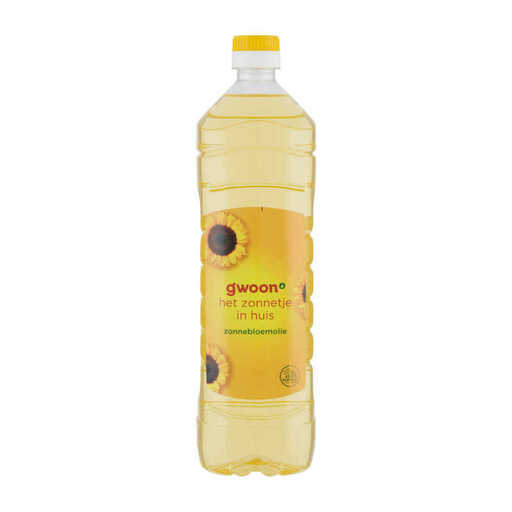
Why This Fits Their Persona: A 1-litre bottle with a neutral flavour for cooking, deep-frying, stir-frying and dressings. A convenient first everyday oil for a Dutch household.
The product description clearly states the volume, ingredients and intended uses. Also compare the current price per litre and the label.
1,000 ml; sunflower oil; neutral flavour; suitable for hot and cold preparations according to the product information.
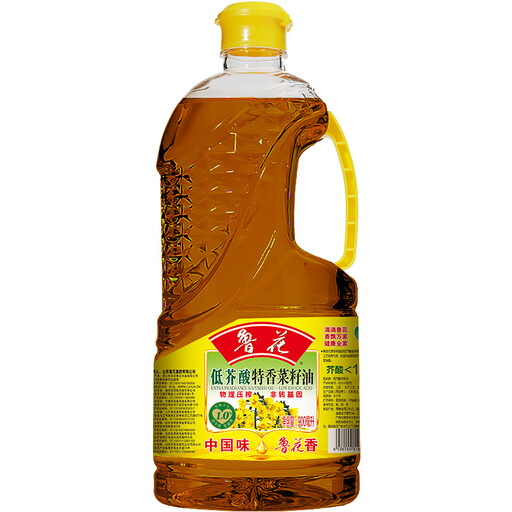
Why This Fits Their Persona: For home cooks looking for an aromatic rapeseed oil for Chinese and international dishes, without buying a large stock bottle.
The product description states that it has a low erucic acid content of less than 1.0% and is physically pressed. These are more concrete details than a general quality claim.
900 ml; ingredient is low-erucic-acid rapeseed oil; according to the product description, physical pressing helps preserve its aroma.
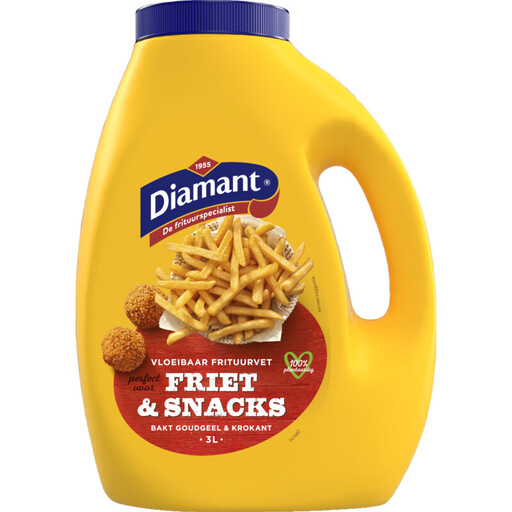
Why This Fits Their Persona: Designed for households that regularly prepare chips and snacks in a deep fryer or deep pan.
The pack contains 3 litres, and the product information mentions use in a deep fryer and pan. It also recommends replacement after 8–10 uses; always follow the label.
3 litres; plant-based frying fat; wide pouring opening; according to the description, suitable for frozen chips and snacks.
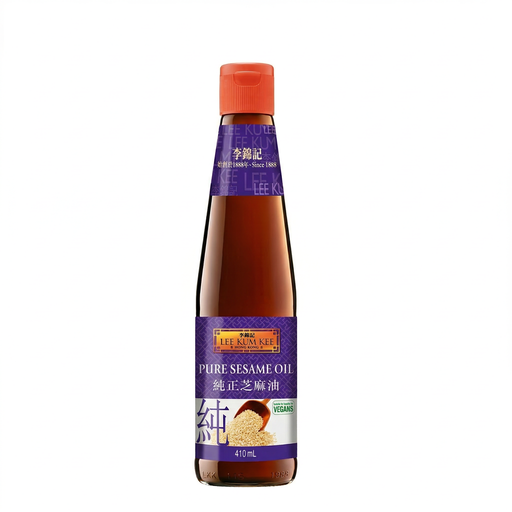
Why This Fits Their Persona: Ideal for noodles, marinades and sauces, or as a finishing touch for Asian dishes.
The product information specifies 100% roasted sesame oil. Use it sparingly as a flavour enhancer rather than choosing a large bottle for every type of cooking.
410 ml; single ingredient; roasted sesame as the base; pronounced nutty aroma according to the product description.
Explore our current range of cooking and frying oils for everyday cooking, stir-frying, roasting and deep-frying.
A neutral sunflower oil, rapeseed oil or soybean oil is often a practical choice for everyday cooking. Check the ingredients, allergens and preparation instructions. For a particular cuisine, an aromatic oil may be a better fit.
That depends on the temperature, the food being cooked, crumbs and filtering. Follow the label. According to the product description, Diamant recommends replacing the oil after 8–10 uses. Replace it sooner if it becomes dark, develops an unusual smell, foams excessively or acquires an off-flavour.
Not always. Divide the price by the number of litres and consider whether you will use the oil in good time. A large pack is mainly practical for families, high-volume users and professional kitchens. Store opened oil sealed, in a cool place and away from light.
