
Vandaag of morgen in huis

Kwaliteit gegarandeerd

Welkomstaanbiedingen ontgrendelen: GRATIS bezorging | Tot 80% korting | Gratis 30 dagen JoyPlus-proefperiode
Download de app
Buying cooking oil seems straightforward – until you’re faced with a shelf or online selection of sunflower oil, olive oil, coconut oil and frying oil. A low price doesn’t always tell you whether it’s right for your dish. Equally, a flashy bottle or a term like “premium” is no guarantee that the oil suits your needs.
For British households, these three pitfalls are particularly relevant:
Before you look at price or brand, work out what you need the oil for.
A product name can give an impression that doesn’t fully match the composition. So look at:
For example, Olio Dante Mixed Sunflower and Olive Oil states that the composition includes sunflower oil, maize oil and 15% extra virgin olive oil. That’s quite different from a bottle containing only extra virgin olive oil. According to the product information, KTC Almond Oil contains 100% almond oil and lists almonds as an allergen.
Also watch out for health-related marketing claims. According to a brand’s own research, certain properties may be mentioned, but don’t treat such claims as established fact. Before you buy, focus on the ingredients, nutritional information table, origin and usage instructions.
A larger size sometimes lowers the price per litre, but only if you use the oil regularly. An opened bottle sitting for months in a warm kitchen isn’t automatically a cost-effective choice.
Store cooking oil generally:
Check the shelf-life information on the packaging. For Sijia Kitchen Lard 660 g, it also states that the product must be refrigerated after opening. Lard is an animal cooking fat and therefore doesn’t suit a vegetarian or vegan diet. If you’re looking exclusively for vegetable oil, it’s best to check the ingredients list of each product.
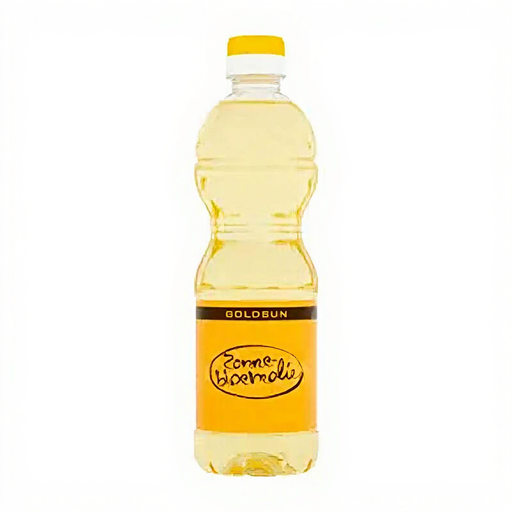
Why this fits the profile: The 500 ml content is manageable for a smaller household or for anyone wanting to try a neutral cooking oil for frying, deep-frying and dressings.
The ingredients list states 100% sunflower oil, so you’re not buying a blend with unexpected extra oils.
Neutral composition, compact size and suitable according to the product information for frying, deep-frying and dressings.
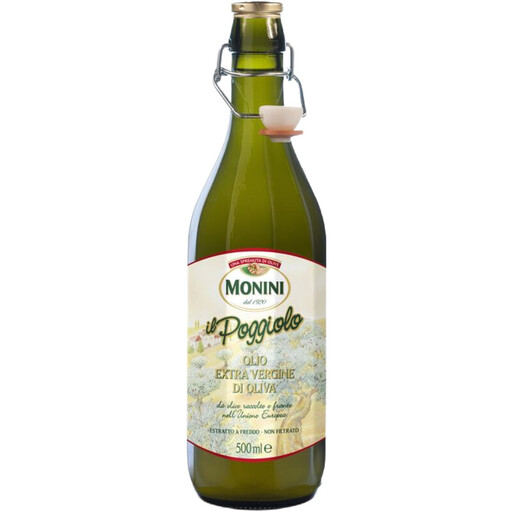
Why this fits the profile: This extra virgin olive oil is intended for salads, bruschetta and dishes where aroma matters more than a neutral flavour.
The product description states that the oil is unfiltered and may naturally appear cloudy. This prevents confusion about sediment or a cloudy appearance.
100% extra virgin olive oil according to the product information, with a grassy aroma and slightly peppery flavour.
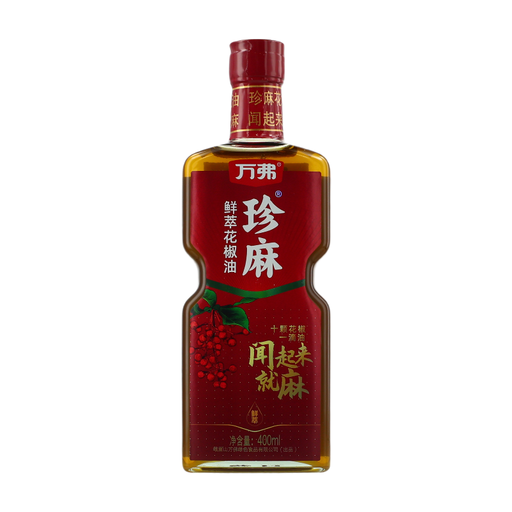
Why this fits the profile: This oil is aimed at fans of Sichuan dishes, noodles, dumplings and hotpot, not general frying.
The usage instructions advise adding the oil at the end. This prevents you from accidentally using a flavoured oil as a general frying oil.
Contains 20% Sichuan pepper oil according to the product information and comes in a 400 ml bottle. Contains soya.
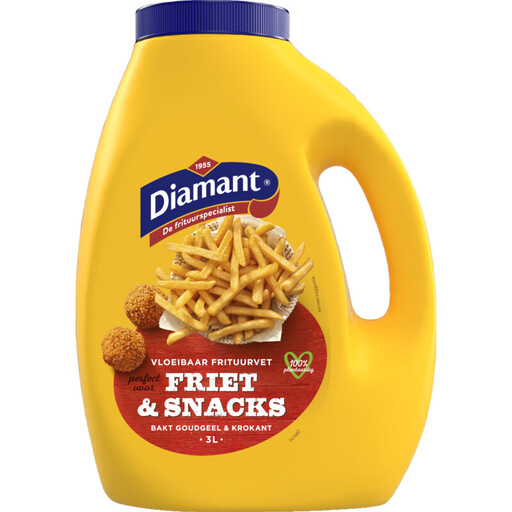
Why this fits the profile: The 3 litre pack and large pouring spout are practical for regular use in a deep-fat fryer or large pan.
The product information mentions its use for deep-fat fryers and pans, plus a recommendation to replace after 8 to 10 uses.
Vegetable frying fat, suitable for vegetarians and intended for chips and snacks.
We’ve put together a full, up-to-date list of products that fully meet these strict selection criteria and comply with current European safety regulations.
That depends on your preferred flavour and method. Sunflower oil and rapeseed oil are practical options for neutral frying. Always check the product information if you plan to heat the oil for a long time or at a high temperature.
There is no universal timeframe for every type of oil. Follow the information on the label and store the bottle tightly sealed, in a cool place and away from direct light. Smell, taste and appearance can indicate that the oil is no longer pleasant to use, but when in doubt, replace the product.
No. Extra virgin olive oil is a specific category with a pronounced flavour and its own product designation. Regular olive oil, olive oil blends and olive pomace oil can have a different composition and use. So read the ingredients list before you buy cooking oil.
