
Vandaag of morgen in huis

Kwaliteit gegarandeerd

Welkomstaanbiedingen ontgrendelen: GRATIS bezorging | Tot 80% korting | Gratis 30 dagen JoyPlus-proefperiode
Download de app
A bottle of cooking oil may seem like a straightforward purchase, but the difference between olive oil, sunflower oil, sesame oil and wok oil affects the flavour, intended use and cost per meal. If you only look at the front of the packaging, you may end up paying for a product that is not well suited to your pan or recipe.
This guide helps home cooks, families and professional kitchens compare cooking oils online based on ingredients, intended use, size, allergen information and storage.
Sesame oil and extra virgin olive oil add plenty of flavour, but that does not automatically make them suitable as neutral oils for prolonged heating. Pure sesame oil is primarily recommended in the product information from brands including Haday, Lee Kum Kee and Ottogi for dressings, marinades, soups, noodles and finishing dishes.
Use a bold Asian cooking oil as a flavour enhancer, and for frying or stir-frying choose an oil whose product description clearly lists those applications.
These terms do not refer to exactly the same product. Extra virgin olive oil typically has a pronounced aroma and is often used for salads, bread, fish and Mediterranean dishes. Mild or refined olive oil has a more neutral flavour profile and is easier to use for everyday frying, sautéing and stir-frying.
Always check the ingredients list. According to the product information, Bio+ Mild Olive Oil consists of 97% refined olive oil and 3% extra virgin olive oil. That is different from a bottle made entirely from extra virgin olive oil.
A 4- or 5-litre container may seem cost-effective, but oil loses quality when the bottle is opened frequently, stored somewhere warm or exposed to sunlight. For a smaller household, a 500 ml or 1-litre bottle may be more practical. Larger formats are particularly suitable for families who cook every day, catering operations and professional kitchens.
Do not rely solely on the name on the front of the bottle. Check whether the product contains a single type of oil or a blend. Examples:
A blend can combine a neutral base with additional flavour, but its taste and allergen information will differ from those of a single-ingredient oil.
Choose your oil according to the preparation method:
Brands may make additional claims about nutritional value or performance. Do not treat such claims as definitive advice: properties may be cited based on the brand’s own research or product description, but you should check the label and official information before purchasing.
Sesame oil contains sesame, an allergen. Sum & Sam Wok Oil lists peanut oil and possible traces of sesame. For some product listings, the allergen fields may differ from what you expect to see on the label. Always check the current packaging before use, especially when cooking for a family member or customer with an allergy.
Store cooking oil in a cool, dry place away from direct sunlight and heat sources. Seal the bottle securely after use. For larger formats, also look for a pouring spout or cap designed to minimise spills.
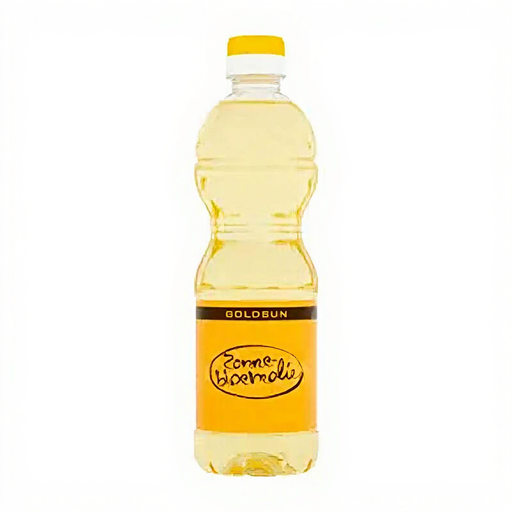
Why it’s a good fit: A manageable bottle for everyday frying, sautéing, deep-frying and simple dressings.
The ingredients list states 100% sunflower oil, with no hidden oil blend.
500 ml; the product information lists frying, deep-frying and dressings among its uses.
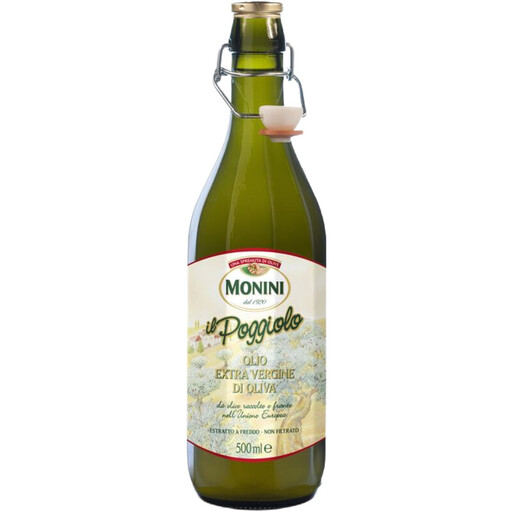
Why it’s a good fit: For salads, bruschetta, fish, meat and dishes where the oil’s flavour is meant to shine through.
The product information explicitly states that the oil is unfiltered, so cloudiness or oil particles may be present.
100% extra virgin olive oil; 500 ml bottle; pronounced aroma according to the product description.
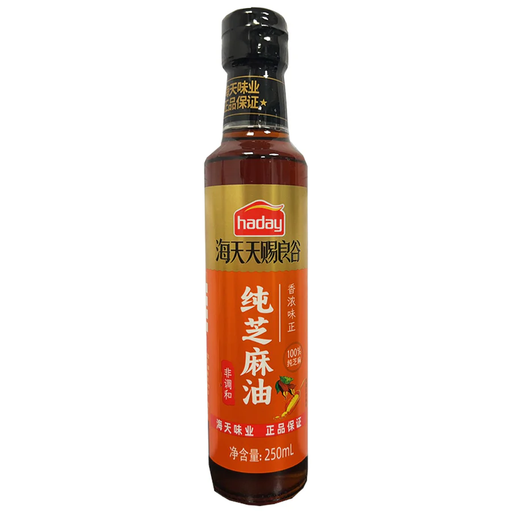
Why it’s a good fit: For stir-fries, soups, marinades, dipping sauces and noodles where a toasted sesame flavour is desired.
The stated use focuses primarily on finishing and seasoning, rather than serving as a universal deep-frying oil.
100% sesame oil; 250 ml; sesame is listed as an allergen.
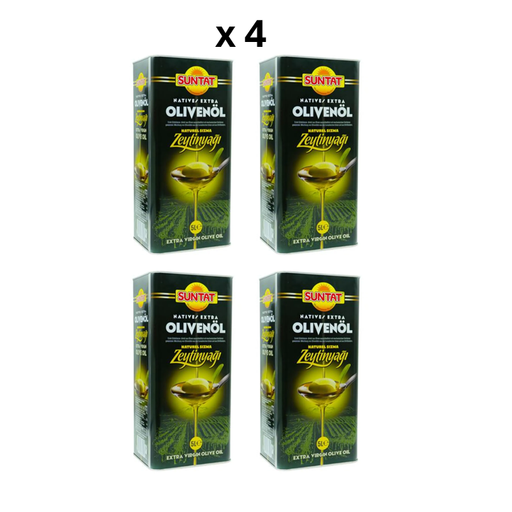
Why it’s a good fit: A large format for kitchens with high daily consumption, catering operations and professional cooking.
The format makes the intended use clear: this is not a small household bottle, but a pack designed for high-volume consumption.
Four 5-litre containers; the product information lists frying, deep-frying and everyday use.
Browse a current selection of cooking oils and compare types, sizes and applications before ordering.
That depends on your cooking method and flavour preferences. According to the product information, sunflower oil is versatile enough for frying, deep-frying and dressings. Mild olive oil is suitable for frying, sautéing and stir-frying when you want a light olive flavour. Always check the packaging and usage instructions.
Check the best-before date on the packaging. Quality can deteriorate more quickly when oil is exposed to light, heat, air or frequent opening. Store the bottle in a cool, dry place and keep it tightly sealed. If the oil develops a noticeably unusual smell or its flavour changes, stop using it.
A larger pack can reduce the price per litre, but only if you use the oil in good time and can store it properly. For a smaller household, 500 ml or 1 litre is often more convenient. For a restaurant, caterer or large family, a format such as SUNTAT 4x5L may better match the level of consumption.
