
Vandaag of morgen in huis

Kwaliteit gegarandeerd

Welkomstaanbiedingen ontgrendelen: GRATIS bezorging | Tot 80% korting | Gratis 30 dagen JoyPlus-proefperiode
Download de app
A bottle of cooking and frying oil might seem simple to choose, but the label doesn’t always tell the whole story. Oil for stir-frying, for example, doesn’t necessarily need the same qualities as oil for deep-frying. And a large pack isn’t automatically good value if you only use the oil occasionally.
The most common pitfalls:
For deep-frying oil, heat resistance, suitable packaging and clear instructions are important. According to its product description, Diamant Fries & Snacks Liquid Oil is recommended for use in a deep-fat fryer and a pan, particularly for frozen chips and snacks. The manufacturer also advises replacing it after 8 to 10 uses. This is product information from the brand, not a universal rule: also check the oil for changes in smell or colour, foaming and residue.
For stir-frying oil, flavour matters as much as temperature. Groundnut, soya and rapeseed oils are often chosen for stir-fries. According to the ingredients list, Chu Bang Extra Aroma Pure Peanut Oil is made from 100% groundnut oil and is described as suitable for deep-frying, stir-frying and everyday cooking. Bear in mind that it contains the peanut allergen.
Check whether the product contains a single oil or a blend. This affects its flavour and how you can use it:
Also pay attention to marketing claims. If a brand describes a product as “cholesterol-free”, “rich in nutrients” or suitable for a particular health goal, don’t treat this as personal health advice. Always check the current packaging and official product information.
A large pack can suit frequent use, for example in a household that deep-fries often or in a professional kitchen. For occasional use, 350 ml to 1 litre may be more practical. Also look at:
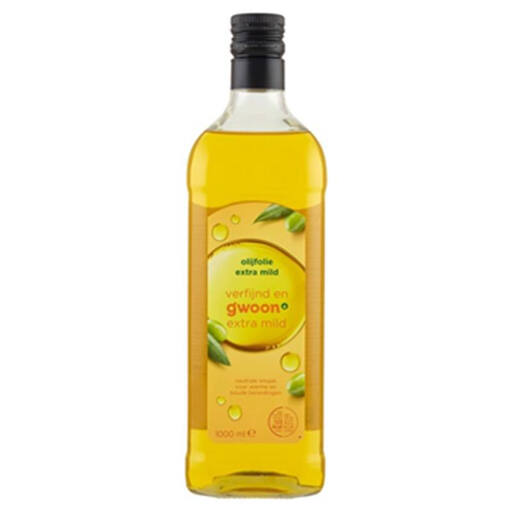
Why it suits this profile: Its mild flavour makes this 1-litre bottle suitable for everyday cooking, frying, salads and sauces without an overpowering olive aroma.
The product description clearly explains its flavour and uses, so you don’t have to rely solely on a general claim about versatility.
1 litre; according to the product information, suitable for cooking, frying, salads and sauces; none of the 14 major EU allergens are listed.
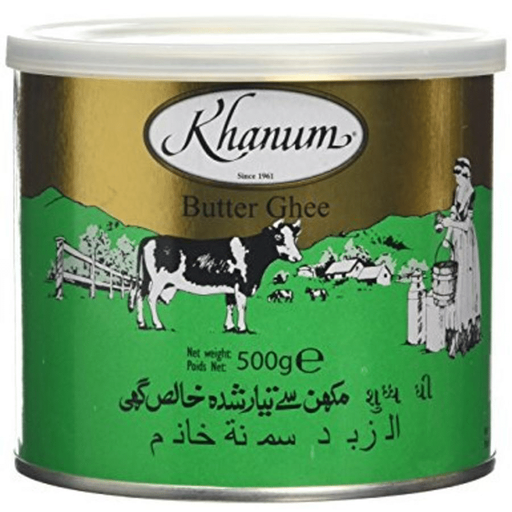
Why it suits this profile: This ghee is a good match for South Asian, Middle Eastern and African recipes that call for a buttery flavour.
The ingredients list states 99.8% butter oil, and the allergen information identifies milk. This helps you choose according to flavour and dietary needs.
500 g tin; according to the product description, suitable for frying, roasting, grilling and sautéing; distinctive, nutty aroma.
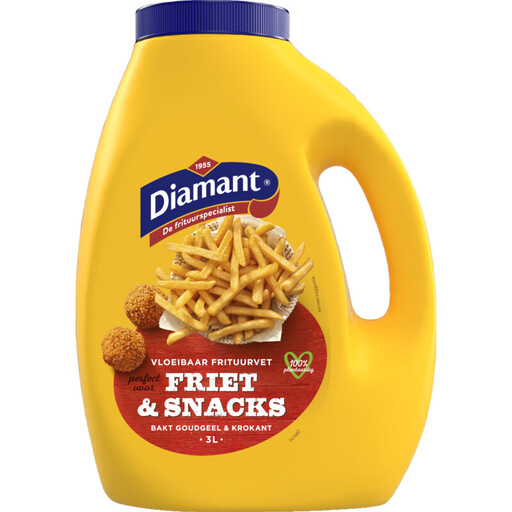
Why it suits this profile: The 3-litre pack is practical if you regularly prepare chips and snacks in a deep-fat fryer or large pan.
The description specifically mentions use in a deep-fat fryer and gives a guideline for when to replace the oil. Always check its condition as well.
3 litres; plant-based according to the product information; intended for chips, snacks and deep-frying; fitted with a large pouring spout.
We’ve put together a complete, up-to-date list of products that meet these strict selection criteria and the applicable European safety regulations.
It depends on the flavour you want and the information on the label. Soya, rapeseed and groundnut oils are often used for stir-frying. For a more distinctive Asian flavour, you can add a small amount of sesame oil after cooking. Because of its aroma, sesame oil is usually better used as a flavouring than as a neutral base oil.
There’s no fixed number that applies to every oil, pan and cooking method. Diamant advises replacing this product after 8 to 10 uses. Replace the oil sooner if it turns dark, develops an unpleasant smell, foams heavily or contains a lot of residue. Leave used oil to cool and dispose of it according to your local collection rules; don’t pour it down the sink.
Store oil in a tightly closed container in a cool, dry place, away from sunlight and heat. Close the bottle straight after use. According to the product information, lard such as Sijia Kitchen Lard 660 g should be refrigerated after opening. For ghee and other cooking fats, always check the specific label, best-before date and the manufacturer’s instructions.
