
Vandaag of morgen in huis

Kwaliteit gegarandeerd

Welkomstaanbiedingen ontgrendelen: GRATIS bezorging | Tot 80% korting | Gratis 30 dagen JoyPlus-proefperiode
Download de app
A bottle of cooking oil might seem like a simple choice, but you’ll notice the difference between sunflower oil, olive oil, rice oil, palm oil and frying oil both in the kitchen and on your shopping list. An oil for salads, for example, doesn’t necessarily have the same qualities as one for frying or roasting.
Before you order, look out for these three common pitfalls:
A neutral vegetable oil is a practical choice for everyday cooking, stir-frying and light frying. Sunflower oil has a mild flavour and is often recommended in product descriptions for frying, roasting, deep-frying and dressings.
Rice oil is widely used for stir-frying and deep-frying. KING Rice Oil’s product information gives a smoke point of 240 °C. Treat this temperature as a product specification, not as a guarantee that every dish should be cooked at that temperature.
For Mediterranean dishes, salads and dips, extra virgin olive oil can add more flavour. According to its product description, g’woon Extra Virgin Olive Oil is cold-pressed and has a fruity, robust flavour. The manufacturer also says it’s suitable for salads, dressings and light cooking.
For Asian dishes, sesame oil is usually used as a flavouring or finishing oil. According to the product information, Chung Jung One Sesame Oil and Lee Kum Kee Pure Sesame Oil are made from 100% sesame oil. Please note: sesame is one of the 14 major allergens in the EU and must be clearly listed on the label.
A short ingredients list makes it easier to compare products. For example:
For palm oil, its origin and sustainability information are relevant factors when making a purchase. According to the product description, Diamant uses certified sustainable palm oil. This is a claim made by the brand; always check the label and certification information for the latest details.
A 500 millilitre bottle is handy if you want to try an oil first or mainly use it for flavour. A 1 litre bottle may be more practical for a family that regularly fries or cooks with oil. A 3 litre pack makes most sense if you deep-fry regularly. A 5-litre tin of extra virgin olive oil is more suited to larger households or frequent use.
Store cooking oil as directed on the packaging: in a cool, dry place, away from direct sunlight. Close the bottle or jar after each use. Some oils, such as coconut oil, can be solid at room temperature. This is normal and doesn’t affect how the oil can be used, according to the product information.
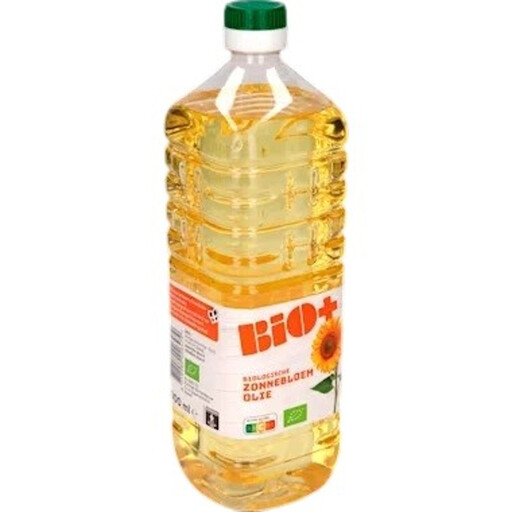
Why it suits this profile: A litre of neutral sunflower oil is versatile enough for everyday cooking, frying and roasting.
The ingredients list has just one ingredient: sunflower oil. So you know exactly what you’re buying and how you can use it.
1000 ml pack, organic origin according to the product information, and none of the 14 major EU allergens listed.
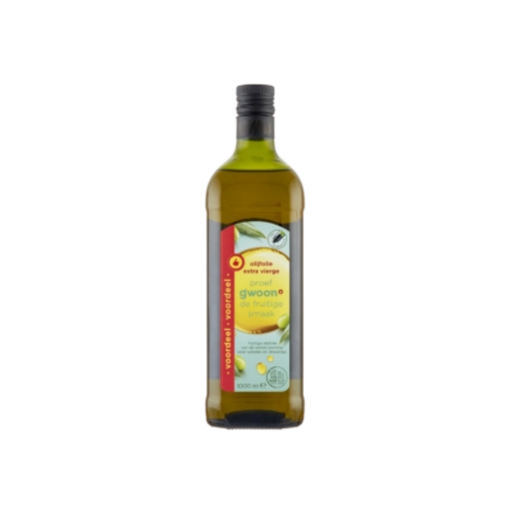
Why it suits this profile: This oil is ideal for fans of Mediterranean flavours who want to add aroma to salads, dressings and lighter dishes.
The product description clearly identifies it as extra virgin, explains that it’s cold-pressed and lists recommended uses. This helps you avoid confusing it with a neutral cooking oil.
1000 ml pack, 100% extra virgin olive oil according to the label, and 70,5 g of monounsaturated fats per 100 g according to the nutrition information.
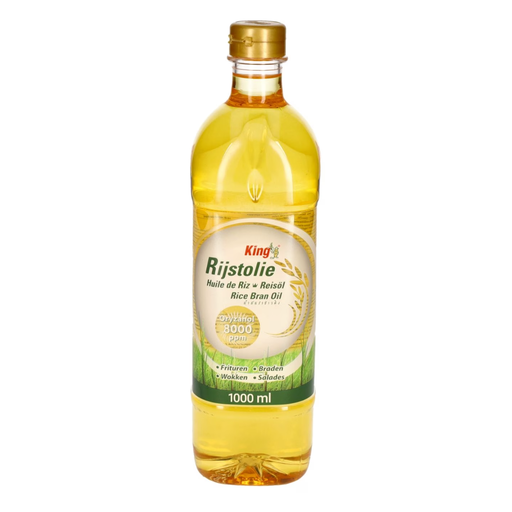
Why it suits this profile: Rice oil is a good fit for home cooks who often stir-fry or deep-fry and want an oil with a relatively neutral flavour.
The product information recommends it for stir-frying and deep-frying, and gives a smoke point of 240 °C. Check these details on the current packaging too.
100% rice bran oil according to the ingredients list, in a 1-litre pack for regular use.
We’ve put together a complete, up-to-date list of products that meet these strict selection criteria and the applicable European safety requirements.
It depends on the flavour you want and what you’re cooking. Sunflower oil is neutral and versatile. Rice oil is often chosen for stir-frying and deep-frying. Always check the instructions for use, and don’t heat the oil until it starts to smoke.
The best-before date is shown on the packaging. Once opened, light, heat and air can all affect the oil. So keep the bottle tightly closed in a cool, dark place. Replace deep-frying oil when it darkens, develops a strong smell, foams or starts smoking sooner. Also follow the manufacturer’s instructions; according to the product information, Diamant recommends replacing the oil after 8 to 10 uses.
For cooking and stir-frying, you can use rice oil, sunflower oil or palm oil, depending on your preference. Sesame oil is usually added in small quantities to noodles, soups, marinades, dressings and sauces. Its roasted flavour is quite pronounced, so a small drizzle is often enough. Always check the allergen information on sesame oil.
