
Vandaag of morgen in huis

Kwaliteit gegarandeerd

Welkomstaanbiedingen ontgrendelen: GRATIS bezorging | Tot 80% korting | Gratis 30 dagen JoyPlus-proefperiode
Download de app
Choosing a bottle of olive oil seems simple until you're standing in the aisle. The options are overwhelming: extra virgin, mild, classic, for baking, in dark bottles, or large tins. Many labels promise the world but, in practice, lead to kitchen disappointments or unnecessary expense.
Before you make a choice, it's wise to understand a few common pitfalls:
To avoid a bad purchase, it's helpful to focus on a few objective characteristics. These specifications directly determine how you can use the oil and what it will taste like.
The most important classification is based on how the oil was extracted. This determines its flavour and intended use.
Not every extra virgin oil tastes the same. The flavour depends on the olive variety, harvest time, and region. A mild olive oil is subtle and versatile, while a robust, fruity oil with a peppery finish can truly transform a dish. Look for descriptions on the label like "delicate," "balanced," or "intensely fruity" to get an idea of the flavour profile.
Light and oxygen degrade the quality of olive oil. Therefore, it's best to choose:
Based on these criteria, we have selected a few products that suit different user profiles.
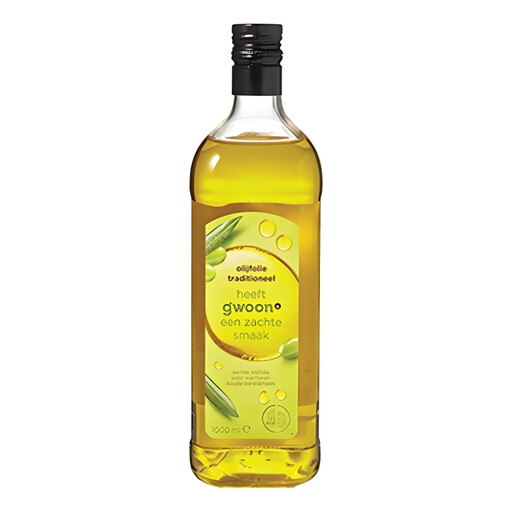
Why This Fits Their Persona: This user is looking for a versatile and affordable oil for daily use. The one-litre bottle offers excellent value for money for those who regularly bake, fry and make salads.
This is a blend of refined and virgin olive oil, explicitly intended for both hot and cold dishes. This means you're not wasting expensive, delicate oil on high heat.
Mild, smooth flavour: Doesn't overpower other ingredients.
Large volume: The 1-litre bottle is practical for frequent use.
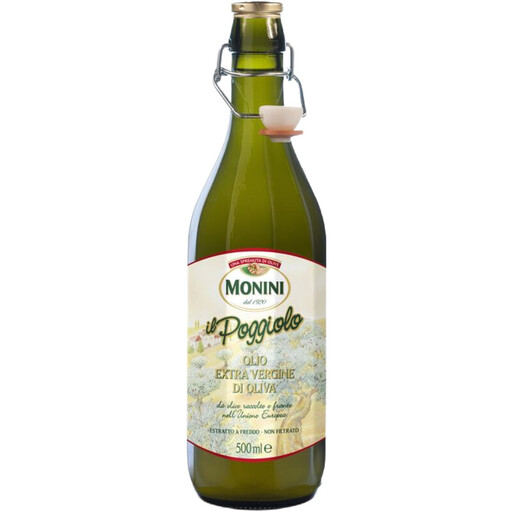
Why This Fits Their Persona: This cook seeks an authentic, flavourful oil to finish dishes. The focus is on pure taste in salads and bruschetta, and on finishing pasta or fish dishes.
This is a 100% unfiltered extra virgin olive oil. Its natural cloudiness and aroma of freshly cut grass are indicators of a pure product, not a vague blend.
Unfiltered: Retains more natural particles and flavour.
Intense aroma: Adds a fresh, slightly peppery taste to cold dishes.
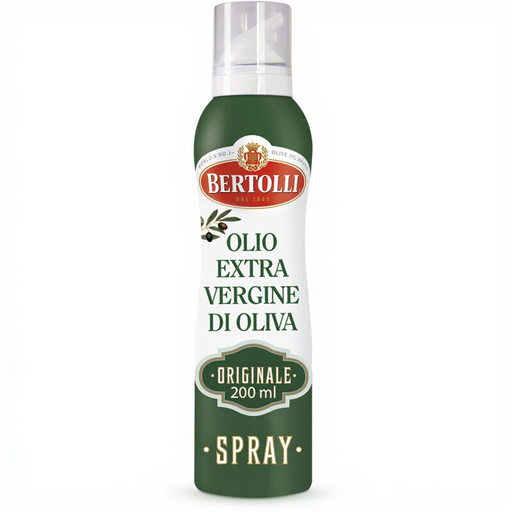
Why This Fits Their Persona: Convenience and control are key for this user. The spray is ideal for evenly coating a salad, greasing a baking dish, or dispensing a small amount of oil.
The spray function prevents overuse and waste. You use exactly what you need, using the oil more economically and extending the life of the bottle.
Convenient dosing: Fast, economical, and even spraying.
Fruity flavour: The well-known taste of Bertolli olive oil for finishing dishes.
We have compiled a complete, up-to-date list of products that meet these strict selection criteria and UK regulations.
You can, but it's not always the best choice. When heated above its smoke point (around 180–190°C for most extra virgin oils), undesirable flavours can develop, and the delicate aromas are lost. For high-temperature baking and frying, a (mild) olive oil or another oil with a higher smoke point, such as sunflower or peanut oil, is often a better and more cost-effective option.
The three enemies of olive oil are heat, light, and air. Therefore, store the bottle in a cool, dark place, like a kitchen cupboard, and not right next to the stove. Tighten the cap securely after each use. When stored properly, an opened bottle of olive oil will maintain good quality for several months.
After pressing, most olive oil is filtered to remove small olive particles. This results in a clear oil with a longer shelf life. Unfiltered olive oil, like the Monini Il Poggiolo, is cloudy because these particles are still present. This often provides a more intense, fresher taste, but the oil has a slightly shorter shelf life and should be consumed more quickly.
