
Vandaag of morgen in huis

Kwaliteit gegarandeerd

Welkomstaanbiedingen ontgrendelen: GRATIS bezorging | Tot 80% korting | Gratis 30 dagen JoyPlus-proefperiode
Download de app
If you love Asian cuisine, you know that rice is more than just a side dish. It's the foundation. But the search for the right rice can be frustrating. Supermarket packaging makes big promises, but the result is often a disappointingly sticky or bland grain. You want authentic flavours but end up with a generic product.
Before you toss another random bag of rice into your cart, it's worth considering a few common pitfalls. Many marketing terms are designed to confuse, not to inform.
To make the right choice, it's better to focus on objective product features than on marketing slogans. The following three specifications provide a solid basis for your decision.
The length of the rice grain determines its texture after cooking. This is due to the ratio of two types of starch: amylose and amylopectin.
True aromatic rice gets its fragrance from the soil and climate in which it grows. The two most famous types have distinct characters.
During the milling process, some grains break. This broken rice is sold separately and is often more affordable. It is not lower-quality rice, but it has different properties. Because the grains are smaller, they cook faster and the texture becomes softer and mushier. This makes broken rice very suitable for congee (rice porridge) or as a filling.
Not every rice suits every cook. Below are a few options, tailored to specific needs and user profiles.
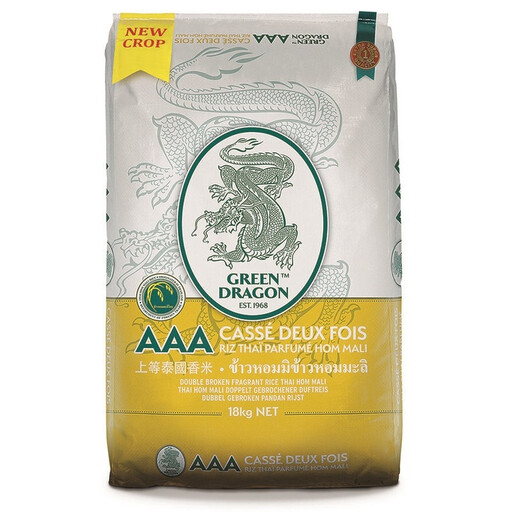
Why This Fits Their Persona: Ideal for those who use a lot of rice and are mindful of costs. This large bag of rice is perfect for daily meals, fried rice, or rice porridge, where perfect grain shape is less important than flavour and price.
You're not paying a premium for perfect, whole grains. Instead, you get the authentic aroma of Thai rice for a fraction of the price by opting for broken rice.
Extremely cost-effective in bulk. The soft texture is an advantage in dishes like congee or desserts.
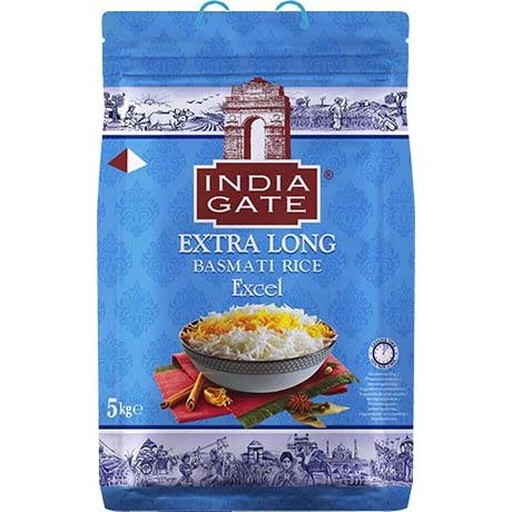
Why This Fits Their Persona: For the home cook who makes no compromises. If you want to create a perfect, fragrant biryani or pilaf, you need a rice that doesn't stick and holds its shape. This extra-long basmati rice is made for that.
This product focuses on a verifiable feature: extra-long grains. This isn't vague marketing, but a specific characteristic that directly contributes to the fluffy texture needed for rice for biryani.
The grains remain long, slender, and separate after cooking. The nutty aroma is characteristic of authentic Indian rice.
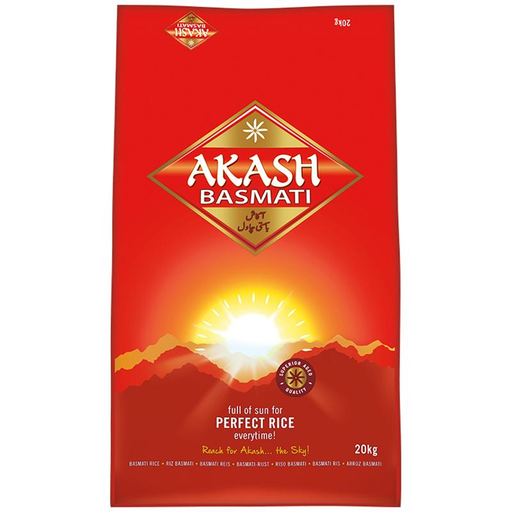
Why This Fits Their Persona: For restaurant owners or large families, efficiency is crucial. A 20 kg package of rice in bulk provides a reliable supply of a versatile rice variety that can be used for countless dishes.
By buying rice in bulk, you bypass the high markups on small consumer packages. You invest in a large quantity of consistent quality, which saves costs in the long run.
Cost-effective per kilogram. The basmati rice is an all-rounder suitable for a wide range of dishes, from curries to pilaf.
We have compiled a complete, up-to-date list of products that meet these selection criteria. Find the perfect rice for your kitchen.
Although both are aromatic long-grain rice varieties, the difference is significant. Basmati rice has a longer, thinner grain, a nutty fragrance, and cooks up very dry and fluffy. Jasmine rice has a slightly shorter, fuller grain, a floral aroma, and a soft, slightly sticky texture. Basmati is the standard for Indian dishes like biryani, while jasmine rice is the foundation for many Thai and Southeast Asian meals.
To keep a large bag of rice fresh, it is crucial to store it in a cool, dry, and dark place. Moisture and direct sunlight are its biggest enemies. After opening the original bag, it's best to transfer the rice into one or more large, airtight storage containers. This protects the rice from pests, moisture, and absorbing odours from its surroundings.
No, not necessarily. Broken rice consists of grains that were broken during the processing. The flavour and nutritional value are identical to those of whole grains from the same harvest. The only difference is the texture. Broken rice cooks faster into a softer, mushier consistency. This is undesirable for a dish like pilaf, but ideal for rice porridge (congee), fillings, or certain desserts. It is simply a different product for a different purpose, and often much more affordable.
