
Vandaag of morgen in huis

Kwaliteit gegarandeerd

Welkomstaanbiedingen ontgrendelen: GRATIS bezorging | Tot 80% korting | Gratis 30 dagen JoyPlus-proefperiode
Download de app
A bag of 1 kg of rice may seem straightforward to choose, until you are standing in front of the supermarket shelf or browsing an online range. Basmati, jasmine rice, sushi rice, brown rice and glutinous rice all have different textures and cooking methods. If you focus only on the packaging, origin or a prominent health claim, you may end up with rice that does not suit the dish you had planned.
Long grains usually remain looser after cooking. This makes them practical for curry, pilaf and stir-fries. Short grains, such as Japanese Japonica rice, become softer and stickier. These qualities are useful for sushi, onigiri and donburi, but less suitable if you want separate grains to serve with an Indian curry.
Glutinous rice and black glutinous rice are not ordinary table rice either. They often need soaking and become compact and chewy after cooking.
Brown rice, red rice and black rice retain more of the outer rice layers than white rice. As a result, they can have a firmer bite and a longer cooking time. Multigrain rice may also contain other ingredients, such as barley, pulses or seeds. Always check the ingredients list and allergen information.
According to the product information for Sunlee Healthy Mixed Rice, this blend contains barley and therefore gluten-containing cereals, among other ingredients. This makes it important not to rely solely on terms such as “healthy” or “mixed”.
The ratio of rice to water varies considerably between varieties. Basmati has different instructions from brown jasmine rice. Rice Berry and red rice may need a longer cooking time or soaking beforehand. Sushi rice also needs to be rinsed carefully and left to rest after cooking.
A 1 kg pack is convenient for families and meal preppers, but only if you use the rice regularly. Store opened rice in a sealed container in a cool, dry place. If the packaging is damaged, check the instructions on the label before using the product.
The description on the packaging provides more useful guidance than general terms such as “aromatic” or “premium”. Also check the country of origin, ingredients and net weight.
Parboiled rice is partially pre-cooked and is known for producing grains that stay more separate after cooking. This can be practical for pilaf, salads and meal prep. Brown rice and red rice still have their bran layer and generally require more time.
With sushi rice, it is important that the grains release enough starch. Hanako Japonica Rice recommends rinsing the rice two to three times, leaving it to rest for around 10 to 15 minutes after cooking, and using approximately 1 to 1.2 parts water per part rice. Always follow the latest instructions on the packaging.
For a single-ingredient product, such as 100% basmati rice or 100% Rice Berry, the composition is easy to understand. Blends require extra checking. Look at:
Nutritional claims depend on the product and its label. According to information provided by the brands themselves, some wholegrain and multigrain products contain relatively high levels of fibre or protein; check the packaging for the current values. This is not a substitute for personalised nutritional advice.
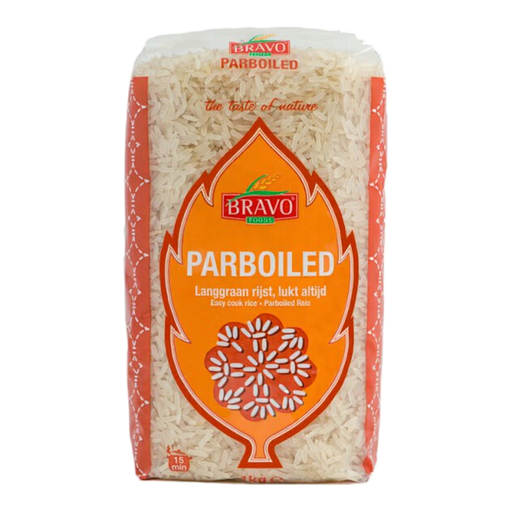
Why it suits this profile: A practical choice for everyday cooking, salads, pilaf and stir-fries where separate grains are preferred.
The product description clearly states that this is parboiled long-grain rice. This makes its texture easier to anticipate than that of a general rice blend.
1 kg, 100% parboiled long grain rice, suitable for pilaf, salads and stir-fries, among other dishes.
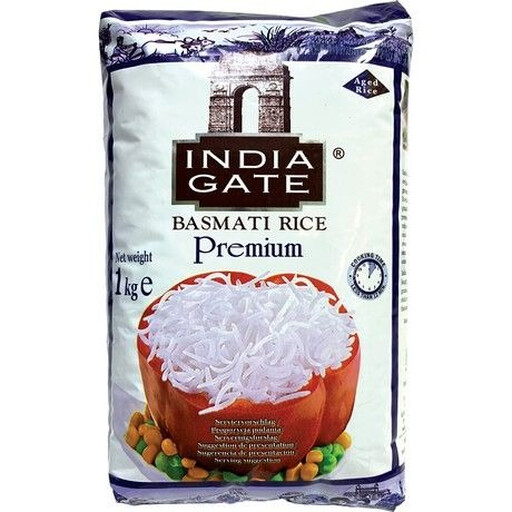
Why it suits this profile: For home cooks looking for long, aromatic grains for biryani, pulao, curry and international dishes.
The product information explicitly mentions basmati rice, long grain and a non-sticky texture. This helps prevent choosing the wrong rice when you want separate grains.
1 kg of basmati rice, suitable for biryani and pulao; the product page describes an aromatic, non-sticky texture.
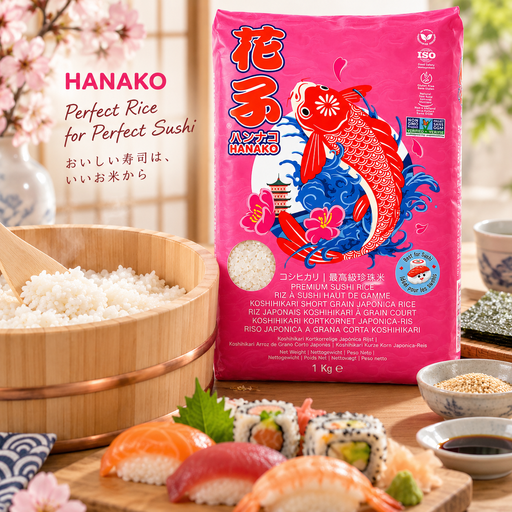
Why it suits this profile: Designed for fans of sushi, onigiri, donburi and Japanese rice bowls, where shape and stickiness are important.
The product is described as short-grain Japonica and contains 100% Japonica rice. Its desired stickiness is therefore linked to a specific rice variety.
1 kg, short grain, soft texture and suitable for sushi, onigiri and donburi according to the product description.
For Thai dishes, Royal Thai Perfume Jasmine Longgrain Rice is a logical choice when you are looking for soft, fragrant long grains. For a firmer bite, Sunlee Red Rice, AROY-D Riceberry Rice Black Cargo Rice or YUMENISHIKI Brown Rice are better suited to salads and bowls. For desserts, consider Royal Thai Glutinous Rice or Aroy-D Black Glutinous Rice. If you are making Turkish pilaf or risotto, Bravo Tosya Princ or Duru Baldo Pirinc may be worth considering.
Pay extra attention to the ingredients in multigrain rice. According to the product information, SAWAT-D Multi Grain Rice contains brown and red rice, black glutinous rice, mung beans and Job’s tears, among other ingredients; the exact blend may vary between batches. The preparation instructions recommend soaking and using a rice cooker, among other steps.
We have compiled a complete, up-to-date list of products that fully meet these strict selection criteria and the applicable European safety regulations.
That depends on the portion size and the dish. As a guideline, many households use around 75 to 100 grams of uncooked rice per person when rice is the main component. A 1 kg pack is therefore suitable for several meals or a short period of meal prep.
Choose a short-grain rice, such as Japonica or clearly labelled sushi rice. These grains become soft and sticky enough to shape sushi and onigiri. Basmati and jasmine rice generally remain more separate, making them less suitable for this purpose.
Store rice in a cool, dry place away from direct sunlight. Seal the bag securely or use an airtight storage container. Before use, check its smell and appearance, and always follow the storage and preparation instructions on the current packaging.
