
Vandaag of morgen in huis

Kwaliteit gegarandeerd

Welkomstaanbiedingen ontgrendelen: GRATIS bezorging | Tot 80% korting | Gratis 30 dagen JoyPlus-proefperiode
Download de app
The disappointment of a failed rice dish is all too familiar. You expected fluffy, fragrant grains that separate perfectly, but ended up with a sticky, mushy mess. The cause often lies in the choice of rice. For dishes like biryani or a great curry, the right basmati rice is crucial. But with terms like 'extra long', 'premium', and 'Golden Sella' on the packaging, it's not always immediately clear which variety is right for your kitchen.
This guide will help you make the right choice based on factual product features, so you know exactly which basmati rice to buy to achieve your desired result.
To make an informed choice, it's helpful to understand a few basic characteristics of basmati rice. The quality is determined by grain length, processing method, and package size.
The term 'basmati' refers to a specific, long-grain aromatic rice traditionally grown at the foothills of the Himalayas. The length of the grain is a key indicator of quality.
After harvesting, the rice undergoes a processing method that affects its colour, texture, and cooking properties.
Basmati rice is available in various sizes. The choice depends on your consumption and storage capabilities.
Based on the criteria above, we have curated a selection of products with clear and distinctive features.
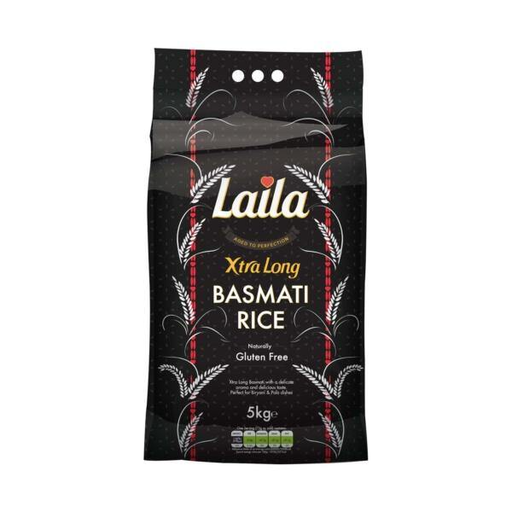
Why this product: This rice stands out for its extra-long grains. According to the manufacturer, the grains can reach up to 2.5 times their original length during cooking. This ensures an impressive presentation and an exceptionally fluffy texture. The 5kg bulk size offers excellent value for money for regular users.
Benefits:
Who is this for: Home cooks and families looking for a reliable, high-quality basmati rice for everyday use and special occasions. Particularly suitable for those who appreciate the aesthetic of long, separate grains on the plate.
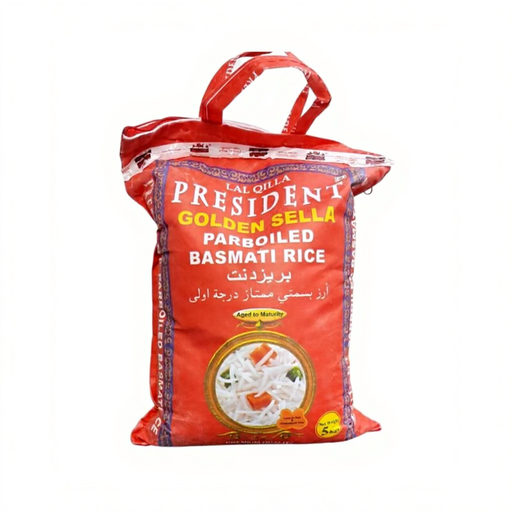
Why this product: This is a Golden Sella basmati. The parboiling process gives the rice a firm structure that remains intact even with longer cooking times or in complex dishes. This makes it the designated rice for biryani, pilafs, and other mixed rice dishes.
Benefits:
Who is this for: Culinary enthusiasts and cooks specialising in South Asian cuisine. An excellent choice for anyone who wants guaranteed fluffy, non-sticky rice, especially for layered dishes like biryani.
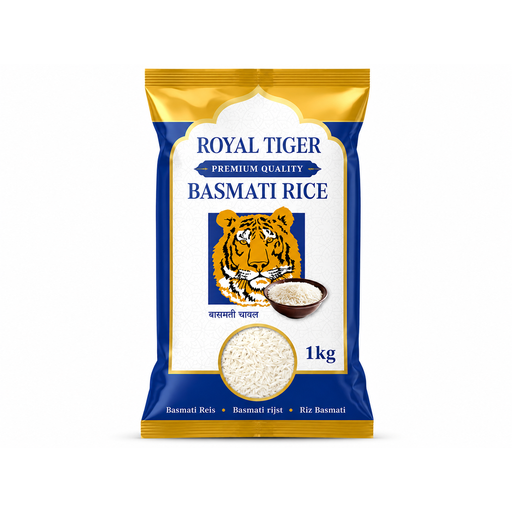
Why this product: This premium basmati rice comes in a convenient 1kg pack. It offers the signature characteristics of quality basmati—long grains and a fragrant aroma—in a size that is ideal for smaller households or for those who want to try the rice first.
Benefits:
Who is this for: Individuals, couples, or smaller families who value quality but don't need a bulk pack of rice. Also ideal for those who want to make an authentic rice dish occasionally without committing to a large supply.
The world of rice is vast and diverse. If the options above aren't exactly what you're looking for, or if you're interested in other authentic rice varieties from the same region, there's more to explore. Different brands and varieties offer unique flavours and textures that can enrich your dishes.
Check out our full range of Pakistani rice.
1. What is the difference between basmati and jasmine rice? Although both are aromatic rice varieties, they come from different regions and have different characteristics. Basmati rice comes from the Himalayan region (India/Pakistan), has an extra-long, dry grain with a nutty aroma, and cooks up very fluffy. Jasmine rice comes from Southeast Asia (primarily Thailand), has a slightly shorter grain, a more floral aroma, and is a bit softer and stickier after cooking.
2. How do I cook basmati rice so it doesn't stick? For a perfectly fluffy result: rinse the rice thoroughly in cold water until the water runs clear. This removes excess starch. A good ratio is 1 cup of rice to 1.5 cups of water. Bring it to a boil, then reduce the heat to low, cover the pan, and let it simmer gently for 10-12 minutes. Turn off the heat and let the rice rest, still covered, for another 5-10 minutes. Then, gently fluff the rice with a fork.
3. Is more expensive basmati rice always better? A higher price is often linked to factors like grain length, the age of the rice (aged rice is drier and cooks up fluffier), and the brand's reputation. A premium basmati rice or extra-long basmati rice often delivers a noticeably better result in terms of texture and aroma, which justifies the higher price for many enthusiasts.
Written by a Joybuy Product Recommendation Officer
