
Vandaag of morgen in huis

Kwaliteit gegarandeerd

Welkomstaanbiedingen ontgrendelen: GRATIS bezorging | Tot 80% korting | Gratis 30 dagen JoyPlus-proefperiode
Download de app
The right rice can make or break a dish, especially in Asian cuisine where rice is often the star of the meal. If you're looking for that signature, slightly floral aroma and soft texture, jasmine rice is the perfect choice. However, the selection can be overwhelming. White or brown varieties, different brands, and various package sizes don't always make the decision easy.
This guide is designed to help you find the jasmine rice that best suits your needs. We'll highlight several popular choices and provide practical tips, so you can choose your next bag of fragrant rice with confidence.
Before we dive into the products, here are a few key points to help you make an informed choice.
The most common variety is white jasmine rice. It has a soft, slightly sticky texture and a subtle, floral aroma. The grains are polished, which results in a quicker cooking time and a fluffy finish.
Brown jasmine rice is the whole-grain version. Only the outer, inedible husk is removed, preserving the bran layer rich in fiber and nutrients. This gives the rice a firmer bite, a slightly nuttier flavor, and a higher fiber content. The cooking time is typically longer. The choice depends on your personal preference for taste, texture, and nutritional value.
When you're looking for high-quality Thai jasmine rice, look for the "Thai Hom Mali" seal. This is a certification from the Thai government that guarantees the rice meets strict standards for purity, grain length, and moisture content. Rice with this label is renowned for its superior aroma and flavor. Brands like Golden Phoenix rice often proudly display this seal.
Jasmine rice is available in various sizes. A 1 kg package is ideal if you want to try a new variety or if you don't eat rice very often. For families, restaurant owners, or if you regularly cook Asian dishes, a value pack of 5 kg of rice is often a practical and cost-effective choice. Rice has a long shelf life, provided you store it in a cool, dry place.
Based on product specifications and popularity among home cooks and professionals, we have curated a selection of top options for you.
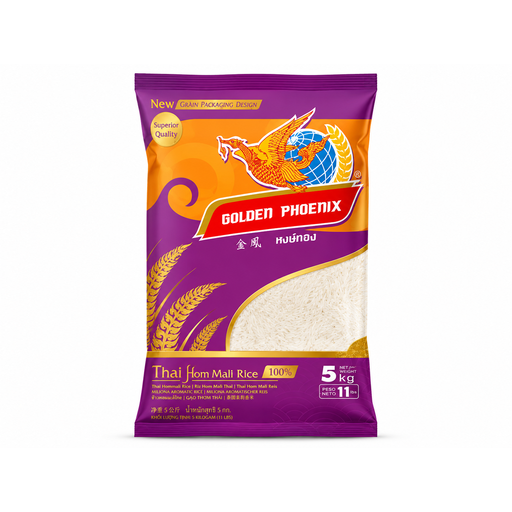
Why It Stands Out This rice from Golden Phoenix is a classic and carries the "Thai Hom Mali" quality seal. This signifies a carefully selected, premium quality Thai jasmine rice. The rice is known for its natural, fragrant aroma and soft, fluffy texture after cooking.
Benefits
Who Is It For? For home cooks who want to bring the authentic taste of Thai cuisine into their homes and for families looking for a reliable, high-quality rice for daily meals.
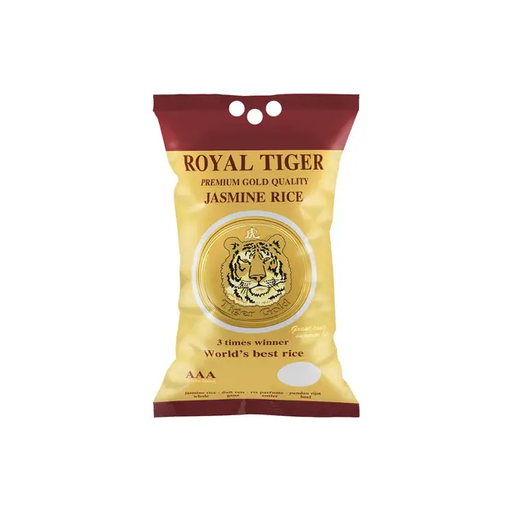
Why It Stands OutRoyal Tiger rice is another well-known brand in Asian cuisine. The GOLD variety is prized for its delicate, floral aroma and soft texture. According to the manufacturer, this rice, sourced from Cambodia, undergoes a meticulous selection and processing procedure to ensure consistent quality.
Benefits
Who Is It For? An excellent choice for both home cooks and restaurants seeking a reliable and versatile fragrant rice that is quick to prepare.
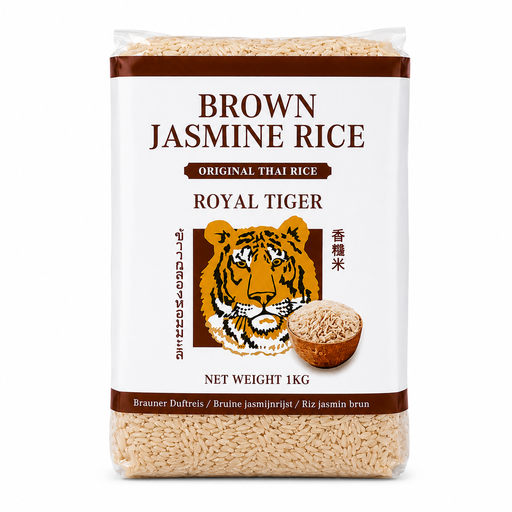
Why It Stands Out For those who want to combine the aroma of jasmine rice with the benefits of whole grains, there is this brown jasmine rice from Royal Tiger. It blends the aromatic character of jasmine with the nutritional value of the complete rice grain.
Benefits
Who Is It For? Health-conscious consumers, athletes, and anyone looking for a more nutritious rice option without compromising on the signature aroma and taste of jasmine rice.
The world of rice is vast and diverse. Are you looking for other types, brands, or package sizes? Check out our full range in the Thai & Southeast Asian category for more options and other authentic ingredients.
Yes, colloquially these terms are often used interchangeably. The aroma of jasmine rice is highly reminiscent of the scent of the pandan leaf. That's why it is also called pandan rice. It refers to the same type of fragrant, long-grain rice.
Although both are aromatic rice varieties, there are clear differences. Jasmine rice comes from Southeast Asia (especially Thailand), has a slightly shorter, plumper grain, and becomes a bit stickier after cooking. Its aroma is floral. Basmati rice comes from India and Pakistan, has a longer, thinner grain, and cooks up drier and more separate. Its aroma is more nutty.
For a perfect, fluffy texture, preparation is key. A good rule of thumb is:
