
Livraison le jour même et le lendemain

Qualité garantie

Débloquez vos offres de bienvenue: Livraison GRATUITE | Jusqu'à -80 % | 30 jours d'essai gratuits à JoyPlus
Téléchargez l'application
Sticky rice looks like ordinary rice, but behaves very differently once cooked. The grains become soft, firm and cohesive. That makes this Asian rice suitable for dishes such as mango sticky rice, dumplings, zongzi, tangyuan and certain desserts.
Yet buying sticky rice often goes wrong. Packaging uses terms like sticky rice, glutinous rice and sometimes even “sweet rice”, while not every variety gives the same result. As Joybuy Product Recommendation Officer, I therefore focus on verifiable details: rice type, contents, origin, ingredients and cooking instructions.
Jasmine rice can become soft after cooking and stick slightly, but that is not the same as Thai sticky rice. Look on the label for glutinous rice, sticky rice or kleefrijst. If it only says “jasmine rice”, the product is generally intended for separate grains and not for mango sticky rice or sticky rice snacks.
The term glutinous rice refers to the sticky texture after preparation. It does not mean the rice contains gluten. If you have allergies, always check the current packaging and ingredients list. For several products in the range, 100% rice is listed as the ingredient and it is stated that they contain none of the 14 major EU allergens. The packaging remains definitive.
A bulk pack of sticky rice at 10, 18 or 20 kg can be practical for restaurants, catering or a large household. For those who only cook occasionally, a 1 kg sticky rice pack is often more manageable. An opened bag must be sealed tightly, stored dry and kept out of direct sunlight. This prevents moisture and contamination.
Choose white sticky rice for classic Thai dishes, dim sum, dumplings and rice cakes. For desserts, black sticky rice can also be interesting. It has a dark to purplish colour and a firmer bite according to the product descriptions.
Note the difference between:
A 1 kg pack suits a first try, a family or regular cooking without a large stock. A bag of 2 to 4.5 kg is more convenient for festive meals and frequent preparation. For restaurants, catering and large families, packs of 10 to 20 kg are available.
Compare not only the total price, but also the price per kilogram, the storage space and how quickly you will use the rice.
Sticky rice is often prepared differently from basmati rice or jasmine rice. Many product descriptions advise:
The exact method varies per type. For example, the product information for Royal Thai Sticky Rice states that steaming is preferred over boiling. Therefore, always use the cooking instructions on the packaging.
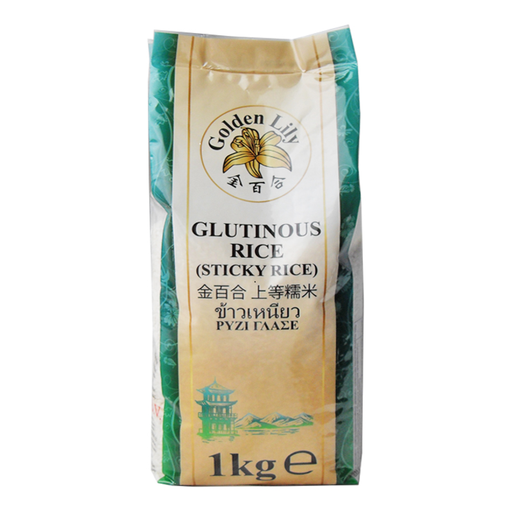
Why this fits the profile: The 1 kg pack is practical if you are trying sticky rice for the first time or occasionally making Asian desserts and dumplings.
You do not buy a large stock before knowing how much you use. The product information mentions soaking and steaming as preparation steps.
1 kg contents; ingredients listed as sticky rice; suitable for desserts, sushi, dumplings and savoury dishes.
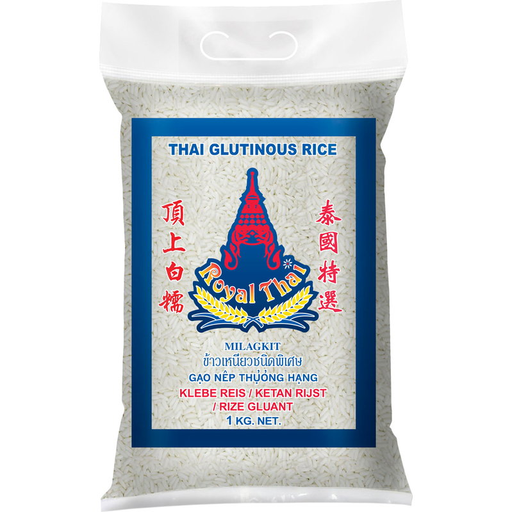
Why this fits the profile: This larger pack is suitable for home cooks who regularly prepare Thai dishes, desserts or rice snacks.
The product description states 100% sticky rice and gives clear preparation guidance: rinse and prepare according to the recipe.
4.5 kg contents; made in Thailand according to the product information; suitable for sweet and savoury applications.
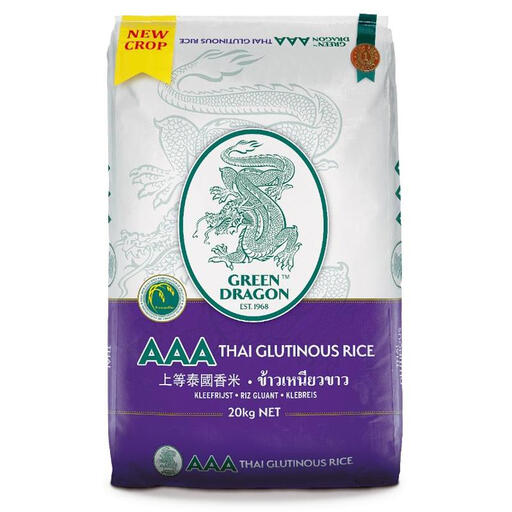
Why this fits the profile: The bulk pack is aimed at frequent preparation, restaurants, catering and households with a high stock requirement.
The quantity matches intensive use, meaning you need to order smaller bags less often. Storage must be dry and well sealed.
20 kg contents; 100% sticky rice according to the product information; suitable for desserts, rice cakes and savoury recipes.
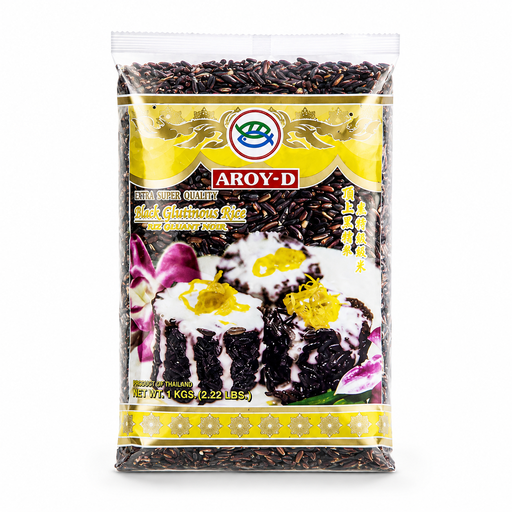
Why this fits the profile: This variety is intended for those consciously seeking dark sticky rice for desserts, rice porridge or a different presentation.
The variety is clearly labelled as black sticky rice. This means you do not need to buy white rice when colour and texture are part of your recipe.
1 kg contents; product information states origin Thailand; suitable for sweet and savoury preparations.
We have compiled a full, up-to-date list of products that fully meet these strict selection criteria and comply with current European safety regulations.
No. Sushi rice is usually a short-grain rice prepared with vinegar. Sticky rice has a different structure and is often soaked and steamed. Therefore, check whether your recipe specifically calls for sticky rice for sushi and dumplings.
That depends on the type and the preparation method. Product information mentions at least 30 minutes up to several hours; for some black Thai varieties, 6 to 8 hours or overnight is stated. Follow the instructions on the packaging and adjust the preparation to your desired texture.
Store the rice in a cool, dry place out of direct sunlight. Seal the packaging tightly or use an airtight container. Before use, check the packaging, best-before information and ingredients on the label.
