
Vandaag of morgen in huis

Kwaliteit gegarandeerd

Welkomstaanbiedingen ontgrendelen: GRATIS bezorging | Tot 80% korting | Gratis 30 dagen JoyPlus-proefperiode
Download de app
Jasmine rice is popular with curry, grilled meat, stir-fries and other Asian meals. However, not every pack tastes or cooks the same. Terms such as “fragrant”, “perfume”, “Hom Mali” and “premium” can be confusing. A large bag is not automatically better value if you use the rice too slowly or cannot store it properly.
With this practical buying guide, you can compare rice variety, origin, packaging and intended use before placing your order.
“Fragrant rice”, “fragrant” and “perfume rice” usually refer to the aroma characteristics mentioned in the product description. On their own, these terms do not tell you enough about the exact rice variety, origin or cooked texture. Always check the following:
A product name may sound appealing, but the ingredients list and product specifications provide a more reliable picture.
A 1 kg bag of rice is practical for a small household or if you want to try a variety first. For a large family, 4.5 kg or 10 kg bags may be more convenient. Restaurants, caterers and large families often look for bulk packs of 18 kg or more.
A large bag is only an advantage if you use enough rice and can store it somewhere dry, sealed and out of direct sunlight. Otherwise, the aroma may gradually fade and the risk of waste increases.
Jasmine rice and basmati rice are both long-grain varieties, but they behave differently after cooking. Jasmine rice generally becomes soft and slightly sticky, making it a good match for curry and sauces. According to the product descriptions from Tilda and India Gate, basmati tends to remain separate, fluffy and aromatic. This makes basmati suitable for dishes including biryani and pulao.
For nasi, both jasmine rice and other long-grain varieties can work. The texture you want and the cooking method are more important than the brand name alone.
Start by choosing according to the dish. Thai jasmine rice from Thailand often has a natural aroma and soft texture, according to the product information. Vietnamese ST25 rice is another fragrant long-grain option. Double Panda ST25 comes from Vietnam and is described in the product listing as aromatic, soft and suitable for rice bowls, side dishes and fried rice.
If you prefer distinctly separate grains, you can compare basmati rice. According to the product information, Tilda Basmati Rice consists of 100% basmati rice. India Gate offers both a 1 kg pack and larger options, including Golden Sella basmati rice. Golden Sella is parboiled basmati, so check before buying that its firmer cooking characteristics suit your recipe.
The available pack sizes vary considerably:
According to the product information, store opened rice in a cool, dry place away from moisture, heat and direct sunlight. Seal the packaging securely or use an airtight storage container. Check on delivery that the bag is not damaged, and always refer to the latest information on the label.
Follow the ratio given on the packaging, as the amount of water and resting time vary between rice varieties. Some jasmine rice products recommend rinsing the rice before cooking. For example, the Golden Naga product information recommends rinsing and using approximately one cup of rice to 1.2–1.5 cups of water. Other products may specify a different ratio.
If you want separate grains, do not automatically use the same method as you would for soft jasmine rice. Leave cooked rice to rest for a few minutes before removing the lid. For fried rice, chilled rice is often more practical, as the grains are less likely to clump together during stir-frying.
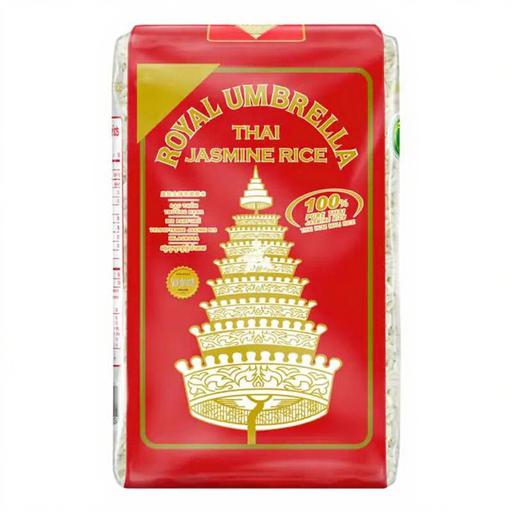
Why it suits this profile: The 1 kg pack makes it easy to try Thai jasmine rice without immediately building up a large stock. The product information lists Thailand as the country of origin and recommends rinsing before cooking.
You do not pay for a bulk pack before knowing whether the aroma and soft texture suit your cooking style.
1 kg net content; Thai Hom Mali jasmine rice according to the product listing.
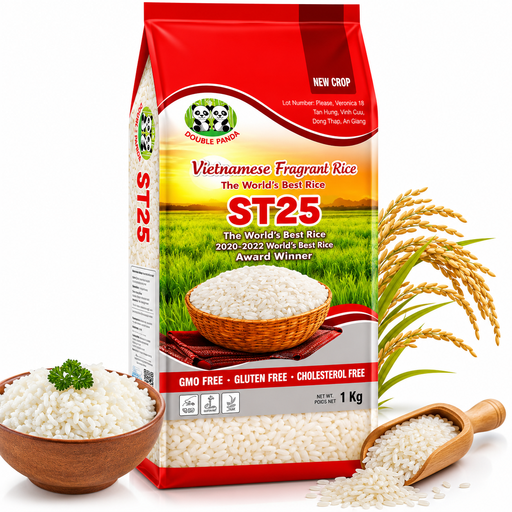
Why it suits this profile: This Vietnamese ST25 rice is an alternative to Thai jasmine rice, ideal for anyone who wants to compare aroma and a distinctive rice texture.
The variety, origin in Vietnam, grain type and ingredients are clearly stated, so you do not have to rely on marketing language alone.
100% ST25 fragrant rice; suitable for rice cookers, steaming and boiling according to the product information.
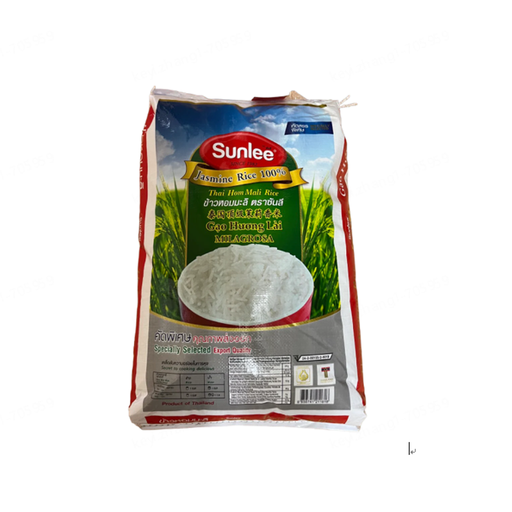
Why it suits this profile: The 18 kg pack is aimed at restaurants, caterers and large families who regularly prepare rice for curry, steamed rice or nasi.
The large bag makes sense when your rice consumption is high, so you do not need to buy several smaller packs.
18 kg content; according to the product description, suitable for steamed rice, nasi and a variety of Asian dishes.
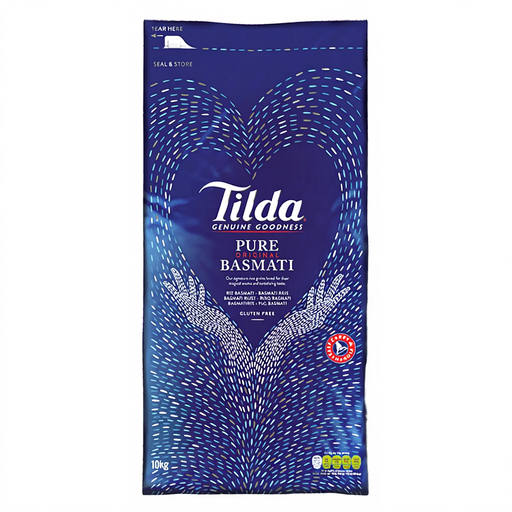
Why it suits this profile: This basmati is an alternative to white jasmine rice when you want to make biryani, pulao or a side dish with more separate grains.
You are making a deliberate choice for basmati instead of a jasmine rice texture that may be softer and slightly sticky.
10 kg content; 100% basmati rice according to the product information, with no added flavourings or preservatives.
We have put together a complete, up-to-date list of products that fully meet these strict selection criteria and the applicable European safety regulations.
Yes. Its soft, fragrant grains pair well with curry, stews and grilled ingredients. Thai jasmine rice is often chosen when you want the rice to become softer and slightly sticky. Check the cooking instructions for each brand to use the correct amount of water.
Jasmine rice generally has a softer texture and a subtle floral aroma. Basmati is usually longer and remains more separate after cooking. Choose jasmine rice for many Thai dishes and curries; basmati is often a better match for biryani, pulao and dishes where separate grains are preferred.
This depends on the best-before date, packaging and storage conditions. Keep rice dry, cool, sealed and away from direct sunlight. After opening, preferably use an airtight storage container and check the aroma, colour and packaging before cooking the rice. The current date and storage advice on the packaging should always be followed.
