
Vandaag of morgen in huis

Kwaliteit gegarandeerd

Welkomstaanbiedingen ontgrendelen: GRATIS bezorging | Tot 80% korting | Gratis 30 dagen JoyPlus-proefperiode
Download de app
Ever stood in the supermarket or Asian grocery store, staring at the rice aisle and feeling completely overwhelmed by the choices? Jasmine rice, sticky rice, broken rice... the selection is vast. It can be especially daunting when you're searching for the perfect Thai rice for that one special dish. Which rice should you use for a creamy curry, and which one for a sweet dessert?
Don't worry. This guide is here to help. We'll explore the different types of Thai rice, what to look for when you buy, and which products could be an excellent choice for your kitchen. This way, you can confidently add the right bag of rice to your shopping cart.
Before you make a choice, it's helpful to understand a few basics. The grain type and how it's processed determine the flavour, texture, and the best use for the rice.
The most common question is about the difference between jasmine rice and sticky rice.
In addition to the grain type, the processing method is also important.
Thai rice is available in various sizes. A 1 kg package is convenient if you want to try a specific type. If you eat rice regularly or have a large family, a 5 kg bag of rice is often much more economical. Be sure to store the rice in a cool, dry, and dark place inside an airtight container.
Based on product specifications and popularity among home cooks, we have selected a few top options for you.
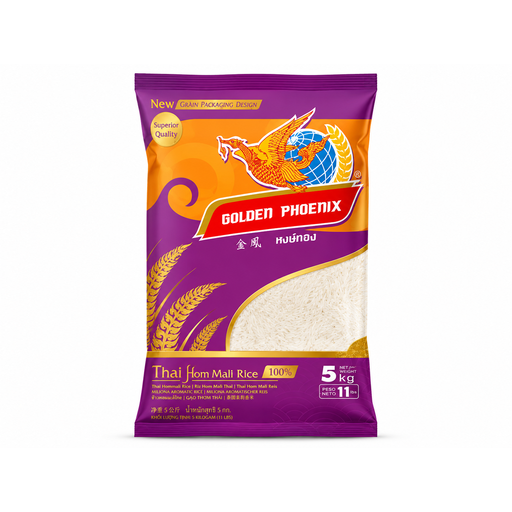
Why It Stands Out This is a classic, high-quality jasmine rice, identifiable by its "Thai Hom Mali" certification. This seal of approval guarantees that the rice originates from Thailand and meets strict standards for aroma and quality. Golden Phoenix rice is renowned for its distinct aroma and soft, fluffy texture after cooking.
Pros
Who It's For For families, home cooks who frequently prepare Thai food, and small restaurant owners looking for a reliable, high-quality staple rice in an economical bulk package.
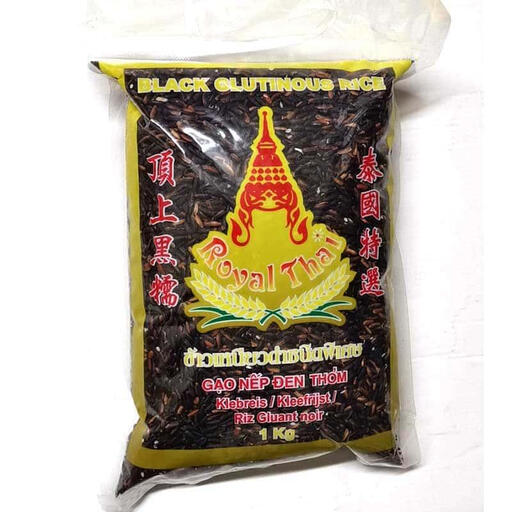
Why It Stands Out This black sticky rice from Royal Thai rice has a striking appearance. Its deep purple, almost black colour and firm, chewy texture make it a unique ingredient. It's a whole-grain sticky rice, which provides a richer, nuttier flavour compared to white sticky rice.
Pros
Who It's For For the adventurous cook who enjoys making authentic Thai desserts, like black sticky rice pudding, or wants to add a surprising twist to savoury dishes.
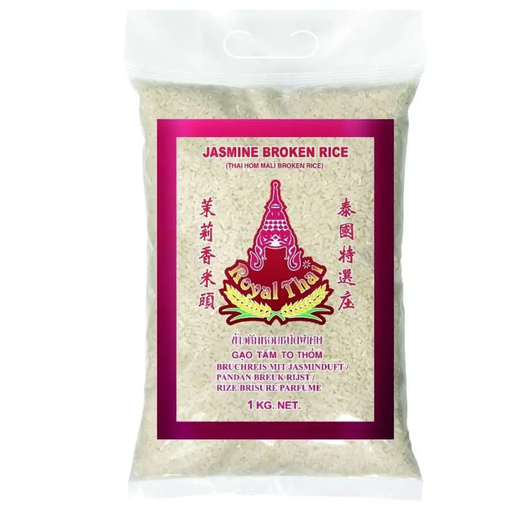
Why It Stands Out This broken rice offers the characteristic aroma and flavour of jasmine rice but with a different texture and cooking time. Because the grains are smaller, they absorb water more quickly. The result is a very soft, almost creamy rice.
Pros
Who It's For Ideal for those who enjoy making Thai or other Asian rice porridges. It's also a great choice for families with young children due to its soft texture, or for anyone looking for a budget-friendly option for everyday meals.
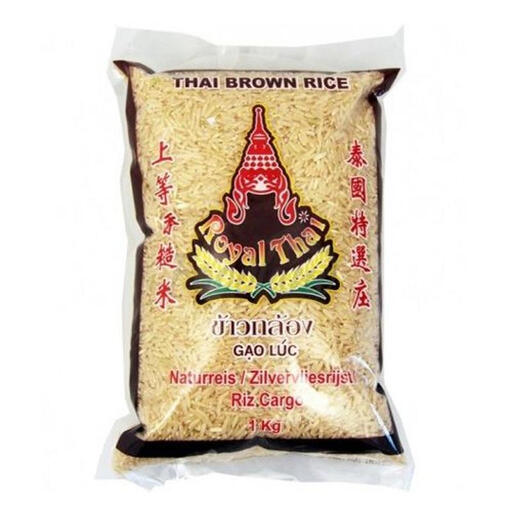
Why It Stands Out This is the whole-grain variety of Thai rice, also known as cargo rice. This brown rice retains its bran and germ, resulting in higher fibre content and a firmer bite. The flavour is fuller and nuttier than that of white rice.
Pros
Who It's For For the health-conscious eater who prefers whole-grain products but still wants to enjoy the authentic foundation of Thai cuisine.
These recommendations are a starting point. Every cook and every dish has different needs. Are you looking for a different package size, a specific organic variety, or another type of Asian rice? There are many more options available.
Explore our full range of Thai rice here
In practice, the terms jasmine rice and pandan rice are often used interchangeably. Both refer to the same aromatic, long-grain rice variety from Thailand (Hom Mali). The aroma is compared to jasmine flowers by some and pandan leaves by others, but it is the same product.
To keep a large bag of rice fresh, it's best to transfer the rice into one or more large, airtight storage containers after opening. Store these in a cool, dry, and dark place, such as a pantry. This protects the rice from moisture, pests, and loss of aroma.
Yes, it is generally recommended to wash Thai rice before cooking. Rinse the rice in a bowl of cold water, gently rubbing the grains between your hands. Pour off the cloudy water and repeat this process two to three times, until the water is mostly clear. This removes excess starch from the outside of the grains, resulting in fluffier rice that is less sticky. For sticky rice, it is even essential to wash the rice first and then let it soak for several hours.
