
Livraison le jour même et le lendemain

Qualité garantie

Débloquez vos offres de bienvenue: Livraison GRATUITE | Jusqu'à -80 % | 30 jours d'essai gratuits à JoyPlus
Téléchargez l'application
Thai sticky rice, also known as sticky rice or glutinous rice, is a staple ingredient in many Thai and Southeast Asian dishes. Think mango sticky rice, steamed rice with grilled meat, sweet dumplings and rice cakes. Yet not every bag of sticky rice is suitable for every recipe.
The biggest mistake shoppers often make is focusing only on brand or price. As a result, they buy a pack that's too large, choose black sticky rice for a classic white dessert, or expect a loose grain like jasmine rice. The following points will help you avoid a bad purchase.
After soaking and steaming, sticky rice becomes distinctly sticky and forms a cohesive mass. Sushi rice is also sticky, but has a different grain, preparation method and flavour. Jasmine rice generally stays looser and is intended as an accompaniment to curries and stir-fries.
A product page may list multiple uses, such as sushi, desserts and savoury dishes. Always check that the ingredients actually state sticky rice, glutinous rice or the equivalent.
A 1 kg bag of sticky rice is practical for a household that occasionally makes a dessert or Thai meal. A 4.5 kg, 10 kg, 18 kg or 20 kg bag may be better value per kilo, but requires a dry, sealed storage space.
Store the rice away from moisture, heat and direct sunlight. Seal an opened pack tightly. With a bulk pack, it can be handy to transfer the rice into several airtight containers after opening.
Terms like "premium", "extra quality" and "authentic" don't mean much on their own. Instead, look for verifiable details:
Origin details can vary between product descriptions. For example, some variants mention Thailand, while others list the Netherlands or the United States as the country of origin. Always check the current label before use.
White sticky rice is the usual choice for savoury Thai meals and classic mango sticky rice. The flavour is mild and the colour works well with coconut milk, mango and other light ingredients.
Black sticky rice has a dark to purplish colour and is often used for desserts, porridge and rice pudding. According to the Aroy-D product description, this variant has a soft, chewy texture and a slightly nutty flavour after cooking. The colour and texture differ from white sticky rice; this matters when you want to follow a traditional recipe as closely as possible.
Choose the size based on your cooking routine:
A bulk pack isn't automatically better value if some of it sits unused for a long time. Compare the price per kilo and consider your available storage space.
Thai sticky rice is usually rinsed first and then soaked. Depending on the grain and the recipe, the soaking time ranges from about 30 minutes to 6–8 hours or overnight. For a distinctly sticky texture, steaming is often recommended.
A simple method:
Cooking time can vary by brand, pack and desired texture. Do not simply boil sticky rice like ordinary rice; this can make the texture too wet or uneven.
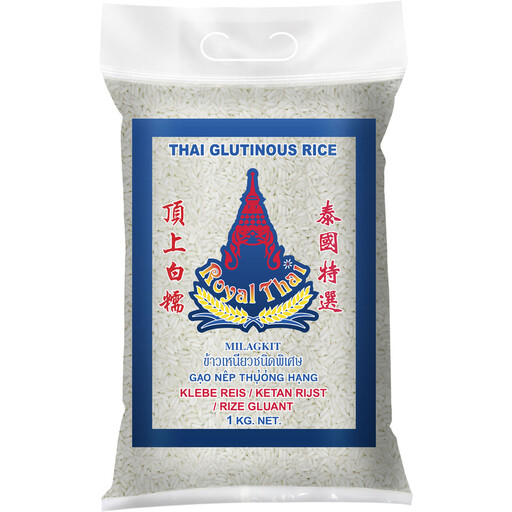
Why this fits the profile: The 1 kg size keeps your first purchase manageable and is suitable for home cooking, desserts and smaller portions.
You don't have to store a bulk pack straight away. The product information mentions a firm texture and natural stickiness.
1 kg, ingredients: sticky rice and suitable for both sweet and savoury preparations.
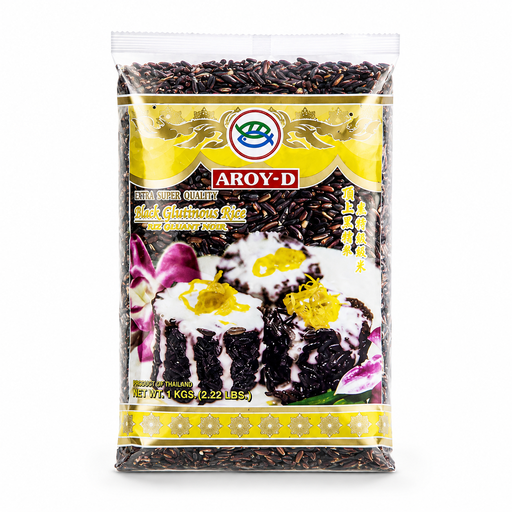
Why this fits the profile: This black sticky rice is intended for those who value colour, aroma and a different texture in desserts and special rice dishes.
The colour is clearly part of the product type. You consciously choose black rather than accidentally picking the wrong rice for a white dessert.
1 kg, product of Thailand according to the product information and 100% black sticky rice.
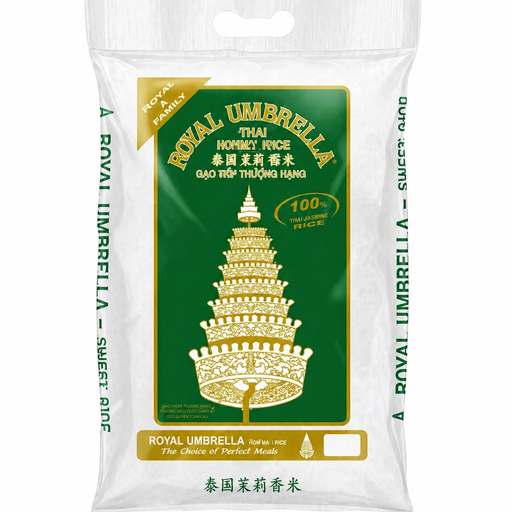
Why this fits the profile: The large bag is aimed at frequent cooking, catering, food service or a large household that regularly uses Thai sticky rice.
You don't pay for multiple small bags when you have high consumption. Just remember to store it in a dry place and seal the pack well after opening.
18 kg, 100% Thai sticky rice according to the product description and suitable for desserts and savoury dishes.
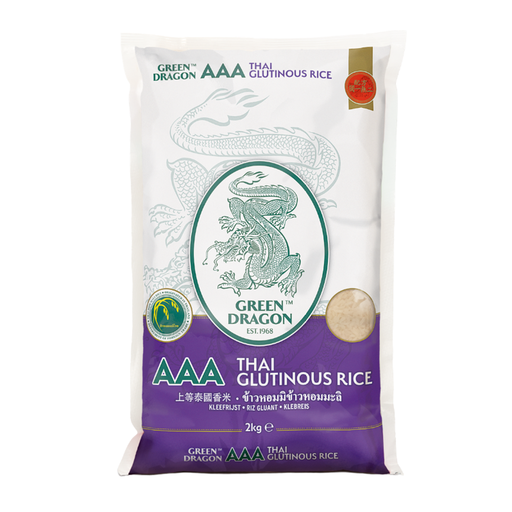
Why this fits the profile: The medium size suits families, dinner parties and home cooks who make mango sticky rice, dim sum or rice cakes more often.
2 kg prevents occasional home cooks from being stuck with a catering-size pack, while offering more stock than a 1 kg bag.
2 kg, according to the description grown in Thailand and made from 100% sticky rice.
We've put together a full, up-to-date list of products that fully meet these strict selection criteria and comply with current European safety regulations.
Yes. Glutinous rice, sticky rice and the equivalent terms generally refer to the same type of rice. The word "glutinous" refers to the sticky texture after cooking and not to gluten. If you have an allergy or food intolerance, always check the current label and information about possible cross-contamination.
For a classic version, white Thai sticky rice is usually used. It combines well with coconut milk and mango. Black sticky rice can also be used, but gives a dark colour and a different bite. Follow the soaking and steaming instructions for the product you choose.
Dry sticky rice can be stored for a long time if stored correctly. Check the best-before date on the pack. Keep the bag cool, dry and sealed. Cooked sticky rice has a much shorter shelf life and should be cooled quickly and stored in the fridge according to general food safety guidelines.
