
当日/次日达

品质保障

开启新人专享福利: 全场免邮 | 低至 2 折 | 免费试用 30 天 JoyPlus 会员
下载 Joybuy
The energy drink aisle has exploded in recent years. From drinks for focus while studying to a pre-workout for the gym, the selection is immense. But with that choice come pitfalls: marketing promises that fall short and ingredients that do more harm than good for your specific goal. As a Joybuy Product Recommendation Officer, I'll help you make the right choices, based on facts, not hype.
Before you stock up on a case of energy drinks, it's important to recognise the most common mistakes:
sports drink or performance enhancer but are primarily loaded with sugar. This provides a short peak followed by an inevitable energy crash, which is impractical for sustained focus or endurance performance.energy drink with a high dose of caffeine is not the same as a hydration drink. The former is intended for mental alertness, while the latter, often an isotonic sports drink, is focused on replenishing fluids and minerals during physical exertion.BCAA drink has a different purpose than a drink with only vitamins. Without basic knowledge, you're paying for additives you might not need.You don't need to be a label expert to make a good choice. Pay attention to the following three key points.
The amount of caffeine largely determines the effect. A standard can often contains around 80-100 mg, comparable to a strong cup of coffee. Some pre-workout drinks go up to 200 mg or more. Consider what you're using the drink for. For a slight afternoon slump, 100 mg might be sufficient, whereas a gamer or athlete might be looking for more for an intense session. Always check the amount per can or serving.
The choice between sugar and sugar-free depends on your goal. Sugars (carbohydrates) provide quick energy, which can be useful during a short, intense workout. For long-term focus during work or study, a sugar-free energy drink is often a better option to avoid a sugar crash. These drinks use sweeteners for taste, making them virtually calorie-free.
isotonic sports drink is rich in electrolytes and ideal for use during or after exercise to prevent dehydration.BCAA drink is especially popular among strength athletes.Not every drink is suitable for every situation. Below is a selection tailored to specific user profiles.
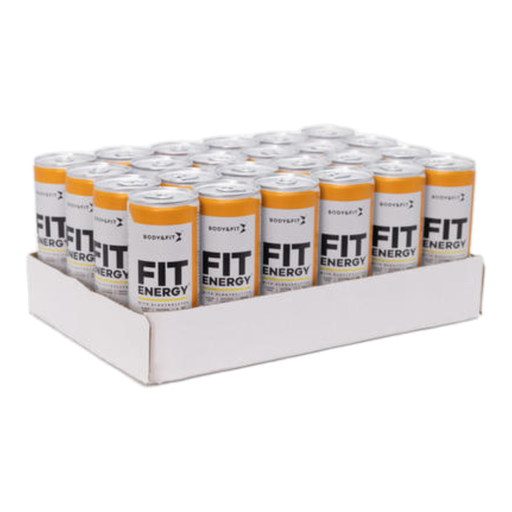
Why This Fits Their Persona: Ideal for those seeking a functional boost before or after a workout. This drink combines caffeine for alertness with ingredients relevant to athletes.
This isn't just sugar water. It's a sugar-free energy drink that focuses on performance with additions like BCAAs and magnesium, rather than just providing a sugar spike.
Contains 100 mg of caffeine, BCAAs, and magnesium for electrolyte balance. Sugar-free and low in calories.
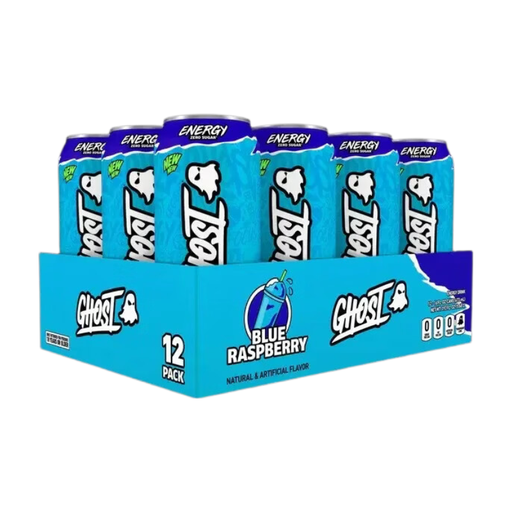
Why This Fits Their Persona: Designed for those who need to stay sharp for hours. The combination of a high dose of caffeine and other ingredients is geared towards mental performance.
The sugar-free formula helps avoid the dreaded 'crash'. According to the manufacturer, ingredients like Alpha-GPC and NeuroFactor are added to support cognitive function.
Contains 200 mg of natural caffeine per can for a powerful and sustained boost. Sugar-free and vegan.
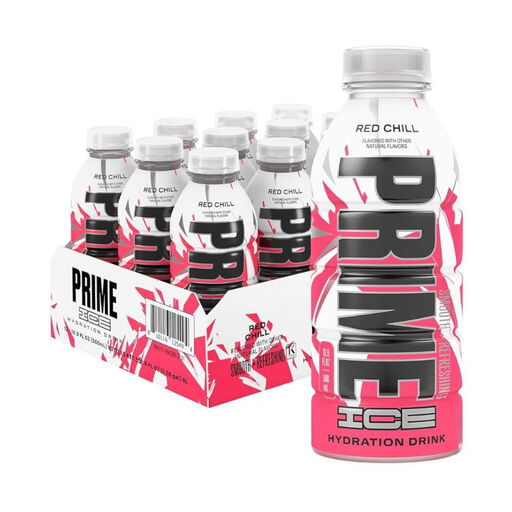
Why This Fits Their Persona: For those looking for a refreshing thirst-quencher without the stimulating effects of caffeine. Perfect for hydration throughout the day or after a light workout.
This is a pure hydration drink, not a disguised energy drink. It delivers fluids and minerals without unwanted stimulants, avoiding the pitfall of using the wrong drink for the wrong purpose.
Caffeine-free, low in sugar and calories. Contains 10% coconut water and electrolytes for hydration.
Finding a good `energy drink deal` or a specific flavour can be tricky. We've compiled a complete overview of products that meet clear specifications.
An energy drink is primarily designed to increase mental alertness and focus, usually through the addition of caffeine. A sports drink, on the other hand, is focused on supporting physical performance. For example, an isotonic sports drink helps to quickly replenish fluids, electrolytes, and carbohydrates lost through sweat.
Health authorities advise healthy adults not to consume more than 400 milligrams of caffeine per day. A lower recommendation applies to pregnant or breastfeeding women. Sensitivity to caffeine varies from person to person. Always check the label of the energy drink to see how much caffeine a can contains and adjust your consumption accordingly.
A sugar-free energy drink helps to avoid a sugar crash and unnecessary calories, which is an advantage for many. However, it's not a guarantee that it's a "healthy" drink. The amount of caffeine and the presence of other stimulants remain important factors to consider. The "better" choice depends entirely on your personal goals and lifestyle.
