
Vandaag of morgen in huis

Kwaliteit gegarandeerd

Welkomstaanbiedingen ontgrendelen: GRATIS bezorging | Tot 80% korting | Gratis 30 dagen JoyPlus-proefperiode
Download de app
A sugar-free sports drink with electrolytes may seem straightforward to choose at first glance. However, drinks vary considerably in their levels of sodium, caffeine and calories, as well as their serving size and intended use. A sugar-free can is not automatically a suitable drink for your workout.
For adults who regularly do fitness training, running, cycling or team sports, three pitfalls are particularly important:
The right choice therefore starts not with the flavour, but with the label and when you plan to use it.
Sweating causes you to lose fluids and electrolytes. The composition of an electrolyte drink determines how much of these minerals you actually consume. Do not just look for the words “hydration” or “sport”; check the amount per can or serving.
For example, Applied Nutrition NA11 Hydration lists 500 mg of sodium, 190 mg of potassium and 56 mg of magnesium per 330 ml can. This is more specific than a general claim about “electrolytes”.
Always compare the values per can or prepared serving. A product may contain few calories per 100 ml, but still provide more in a larger format.
A low-calorie sports drink can be useful for short workouts, everyday use or when you want to limit your overall energy intake. According to the nutritional information, NA11 contains 0 grams of sugar and 7 kcal per can. Its sweeteners include erythritol and steviol glycosides.
An isotonic sports drink in powder form works differently. According to the product information, Body & Fit Isotonic Electrolytes Drink contains 32 grams of carbohydrates and 129 kcal per serving. This may be suitable for prolonged exercise, but it is not a sugar-free sports drink.
A sports drink for use during exercise needs to be practical. Therefore, check:
NA11 is lightly sparkling and caffeine-free. According to the label, Red Bull Ice Edition contains 32 mg of caffeine per 100 ml, meaning that a 250 ml can contains approximately 80 mg of caffeine. This gives it a different use profile from a caffeine-free electrolyte drink.
A reusable bottle can reduce the cost per workout when you prepare the powder yourself. When choosing a bottle, look at its leak-proof design, ease of cleaning, capacity and material. A thermos flask is not always suitable for carbonated drinks; the Thermos SK Bev Bottle comes with a specific warning about this.
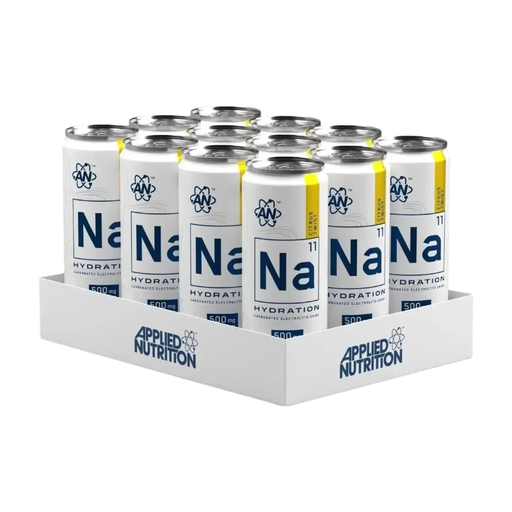
Why it suits this profile: A ready-to-drink 330 ml can is easy to take with you to the gym, training session or competition. According to the product information, it contains no sugar and provides 7 kcal per can.
The amounts of sodium, potassium and magnesium are stated per can, so you do not need to measure out powder yourself.
0 grams of sugar, 7 kcal, 500 mg of sodium and caffeine-free according to the label.
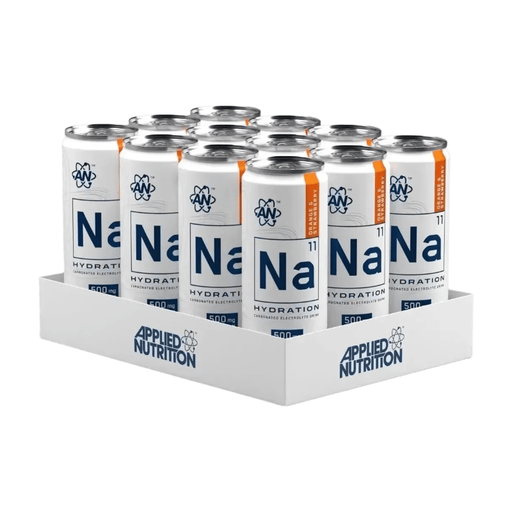
Why it suits this profile: The pack of 12 cans is practical for regular training sessions and makes it easier to keep a supply in stock.
The product description lists sodium, potassium, magnesium and vitamins individually, rather than making only a general hydration claim.
12 x 330 ml, 500 mg of sodium per can, 0 grams of sugar and a second flavour profile.
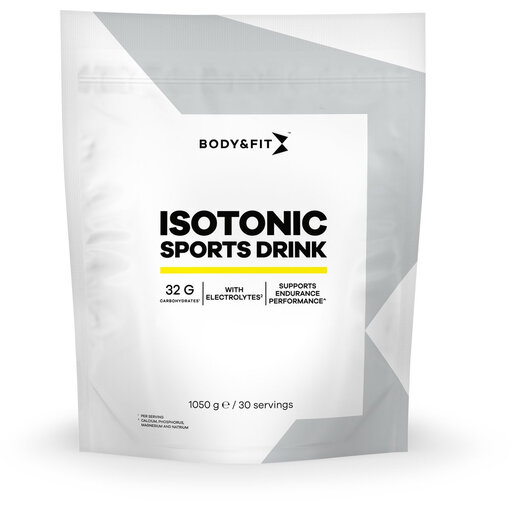
Why it suits this profile: If you do longer workouts and consciously want to include carbohydrates, a powder drink with 30 servings may be more practical than individual cans.
The serving size and mixing ratio are specified: 35 grams of powder per 500 ml of water. This allows you to plan your intake per bottle.
1050 grams of powder, 30 servings and 32 grams of carbohydrates per serving according to the product information.
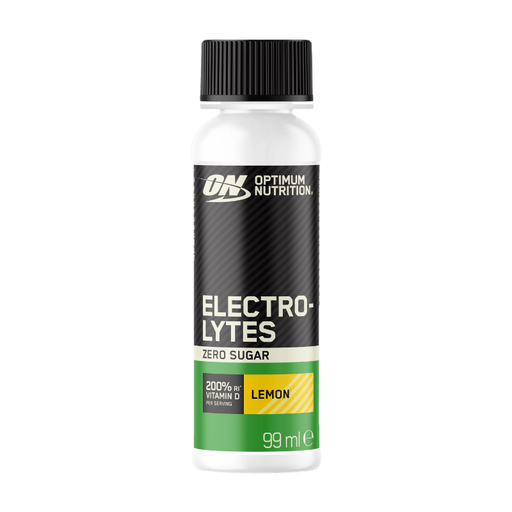
Why it suits this profile: Its compact size is suitable for use on the go or when you do not want to carry a large can. It is a supplement, not a complete sports drink for prolonged exercise.
The label states the 99 ml serving size and the maximum daily dose, clearly defining the quantity.
400 mg of potassium, 56 mg of magnesium and 8 kcal per shot according to the product information.
We have put together a complete, up-to-date list of products that fully meet these strict selection criteria and the applicable European safety regulations.
Not always. For short or low-intensity workouts, water may be enough. A sugar-free electrolyte drink is particularly suitable when you want a drink containing minerals without a high sugar or calorie content. For prolonged exercise, a drink containing carbohydrates may be more practical. Therefore, check the duration of your workout and the nutritional values.
The best-before date is stated on the packaging. Store unopened cans according to the instructions in a cool, dry place away from direct sunlight. Once opened, a drink will generally need to be refrigerated and consumed within the stated period. Powder should be stored tightly sealed, in a dry and dark place.
This depends on the size and packaging. A multipack of cans offers a fixed serving and requires little preparation, while powder often works out differently per mixed bottle. Compare the price per 330 ml, 500 ml or serving, rather than just the price of the full pack. Also remember to factor in whether you need a sports drink bottle and how often you can reuse it.
Finally, pay attention to warnings about caffeine, sweeteners and supplement use. Always follow the label instructions and do not use a sports drink as a replacement for a varied diet.
