
Same-day & Next-day Delivery

Quality Guaranteed

Unlock Your Welcome Offers: FREE Delivery | Up to 80% OFF | Free 30-day JoyPlus trial
Download the APP
A sports drink with electrolytes may seem straightforward at first glance: choose a flavour, pay and take the bottle to your training session. Yet many athletes pay for features they do not need, or choose a drink that does not suit their activity. For example, a sugary isotonic sports drink is not always the obvious choice for a short fitness session. And a sugar-free sports drink does not automatically provide carbohydrates for prolonged exercise.
As a Joybuy Product Recommendation Officer, I therefore look first at verifiable information: the amount of sodium, potassium and magnesium, the sugar and calorie content, the serving size and any caffeine. This helps you avoid marketing hype and choose an electrolyte drink that suits the way you intend to use it.
A product’s packaging may prominently state that it contains electrolytes, while it is not immediately clear how much sodium or magnesium you get per serving. Always check the nutritional information. Sodium per can or serving is particularly relevant if you sweat heavily during endurance training, team sports or exercise in warm weather.
A sugar-free sports drink can be useful if you want to consume fewer calories. During longer periods of exercise, a product containing carbohydrates may be more practical. So do not just look for “zero sugar”; also consider whether you want to obtain energy from carbohydrates during your training session.
Some products are classed as energy drinks for sport and contain caffeine. According to the product information, for example, one can of Ghost Energy contains 200 mg of caffeine. That is different from a caffeine-free hydrating sports drink. Also pay attention to warnings for adults, pregnancy, breastfeeding and caffeine sensitivity. Remember to include coffee, tea and other caffeinated products in your total intake.
Electrolytes for sport include sodium, potassium, magnesium, calcium and chloride. Sodium is often listed in sports drinks as salt or sodium citrate. Compare the amounts per full serving, not just per 100 ml.
According to the product information, Applied Nutrition NA11 Hydration contains 500 mg of sodium, 190 mg of potassium and 56 mg of magnesium per 330 ml can. The drink contains 0 grams of sugar and 7 kcal per can. This makes this type of electrolyte drink suitable for adults looking for a ready-to-drink, sugar-free option around their training session. However, remember to take its sodium content into account as part of your overall diet.
An isotonic sports drink generally contains carbohydrates and electrolytes. According to the product details, Body & Fit Isotronic Drink Tropical provides 29 grams of carbohydrates, including 18 grams of sugars, and 119 kcal per 35-gram serving. Mix one scoop with approximately 500 ml of water.
This difference from a sugar-free sports drink is important. Choose a powder containing carbohydrates when you also want a practical source of carbohydrates during prolonged exercise. For short workouts or everyday use, water with a low-calorie electrolyte blend may be sufficient for your needs.
Powder or electrolyte sticks are often cost-effective if you train several times a week. Check how much water is required and how much prepared drink the packaging produces. According to the product information, the 1050-gram Body & Fit pack contains approximately 30 servings and makes around 15 litres of drink.
A can or bottle is ready to use straight away, but takes up more space and may work out more expensive per serving. A stick is compact for travelling. Applied Nutrition Electrolytes Hydration Stick Packs contain one 8-gram stick, which the instructions say should be dissolved in 200 to 500 ml of water. The recommended dosage is a maximum of one stick per day.
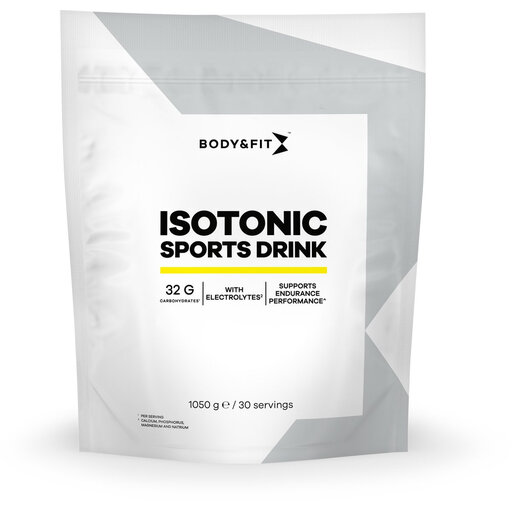
Why it suits this profile: A large tub of powder is practical for anyone who exercises regularly and wants to compare the cost per prepared serving. According to the product description, the mix is suitable for endurance, strength and team sports.
The packaging states the serving size, carbohydrates and electrolytes per serving. This makes it clear that it is not a sugar-free sports drink, but a carbohydrate and electrolyte blend.
1050 grams, approximately 30 servings, around 119 kcal and 29 grams of carbohydrates per 35-gram serving.
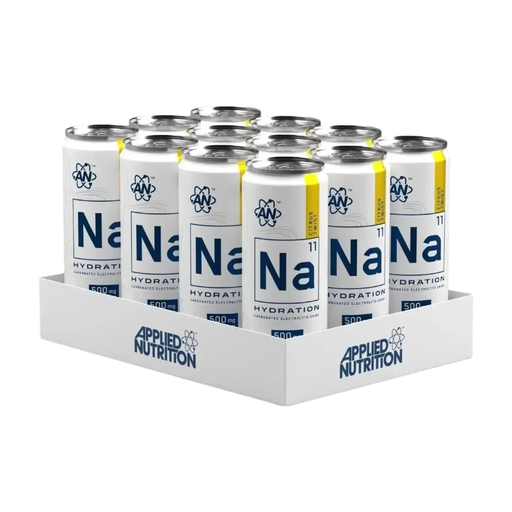
Why it suits this profile: This ready-to-drink option combines a compact can with a clearly stated sodium content and a sugar-free formula.
The label states 0 grams of sugar, 7 kcal and 500 mg of sodium per 330 ml. You therefore do not have to guess based solely on the front of the packaging.
500 mg of sodium, 190 mg of potassium, 56 mg of magnesium, no sugar and no caffeine according to the product information.
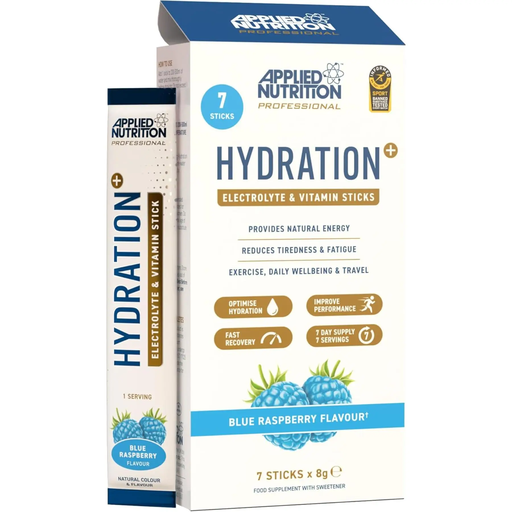
Why it suits this profile: Individual electrolyte sticks are easy to take to work, when travelling, to a competition or to the gym, and can be mixed with water to suit your preference.
The instructions state one stick per day and 200 to 500 ml of water. The fixed dosage helps prevent you from unknowingly using multiple servings.
Approximately 153 mg of sodium, 403 mg of potassium, 133 mg of magnesium and 10 kcal per stick according to the product specifications.
A protein drink or protein shake has a different purpose from a hydrating sports drink. According to the product information, Optimum Nutrition Protein Water provides 16 grams of whey protein isolate per 350 ml bottle, with 0 grams of sugar and 64 kcal. The product contains milk and is therefore not suitable for people with a milk allergy.
If your main priority is fluids and minerals around a training session, look for an electrolyte drink. If you want to add extra protein after exercising, a protein-rich drink may be the more logical choice. A protein drink does not automatically replace a complete meal or your normal fluid intake.
We have put together a complete, up-to-date list of products that fully meet these strict selection criteria and the applicable European safety regulations.
Not necessarily. For a short or gentle workout, water may be sufficient. During prolonged, intensive exercise or if you sweat heavily, a drink containing electrolytes and potentially carbohydrates may better suit your needs. Always compare the ingredients and follow the usage instructions on the label.
For unopened products, follow the date stated on the packaging. After opening, store powder tightly sealed in a cool, dry and dark place. An opened ready-to-drink product should be stored according to the packaging instructions; refrigeration and prompt consumption are often recommended. Always check the colour, smell, seal and best-before information.
Not automatically. A tub of powder may work out cheaper per litre, while cans offer greater convenience. Compare the price per serving or per litre, not just the price of the pack. Also consider whether you need carbohydrates, caffeine, protein or electrolytes alone. This helps you avoid paying for ingredients that do not suit your sporting needs.
