
Vandaag of morgen in huis

Kwaliteit gegarandeerd

Welkomstaanbiedingen ontgrendelen: GRATIS bezorging | Tot 80% korting | Gratis 30 dagen JoyPlus-proefperiode
Download de app
At first glance, a sports drink seems simple: pick a flavour, grab a large pack and take it to training. Yet sports drinks vary significantly in carbohydrates, electrolytes, protein, caffeine and calories. If you only look at the packaging or well-known marketing terms, you could end up buying a product that doesn't suit your needs.
These are the most common pitfalls:
Don't start with the flavour; start with when you want to use the drink.
For longer workouts or endurance sports, carbohydrates and electrolytes can be part of your nutrition strategy. An isotonic sports drink typically contains a combination of water, carbohydrates and minerals such as sodium, potassium and magnesium.
According to the product information, the Body & Fit Isotonic Sports Drink is mixed with 35g of powder in approximately 500ml of water. The Watermelon variant provides, according to the description, 32g of carbohydrates and 129 kcal per serving. The Tropical variant lists 29g of carbohydrates, 119 kcal and, among others, 279mg of sodium, 750mg of potassium and 141mg of magnesium per serving.
This makes this category particularly relevant for people who want both to drink and to take in carbohydrates during longer or more intense exercise. For a short gym session, water can sometimes be enough.
A protein drink after exercise has a different purpose to an isotonic drink. Here, look mainly at the protein content per bottle or serving, the protein source and allergens.
A creamy protein shake such as the Nutramino Nutra-GO Shake contains, according to the product information, 25g of protein per 330ml bottle and contains milk. This ready-to-drink option is convenient if you don't want to use a shaker or powder. Once opened, the bottle must be kept refrigerated and used within 24 hours.
If you'd rather not have a milky texture, you can opt for protein water. The Optimum Nutrition Protein Water contains, according to the product information, 16g of whey protein isolate per 350ml bottle, 64 kcal and 0g of sugar and fat. Also check for the milk allergen here.
A sugar-free sports drink is not automatically an electrolyte drink and does not necessarily contain enough carbohydrates for prolonged exercise. Check the label for sodium, magnesium and other minerals.
The Optimum Nutrition Amino NRG + Electrolytes contains, according to the product information, 100mg of caffeine per 250ml can, alongside amino acids and 70mg of magnesium. The packaging carries a warning about the high caffeine content; the product is not recommended for children or pregnant or breastfeeding women. Also bear in mind your total caffeine intake for the day.
Look at the nutritional information per serving and per 100ml. A powder may appear low in sugar per 100g, while a full scoop still delivers a significant amount of carbohydrates.
In this product category, the term electrolytes usually refers to minerals such as sodium, potassium and magnesium. Check how much of these is present per bottle or prepared serving. Needs vary per person, duration of exercise, temperature and sweat loss.
Caffeine deserves a separate check. Does the label list caffeine, green tea extract or coffee extract? Then look at the amount per pack and the warnings. An amino acid drink without sugar could therefore still be unsuitable for late in the evening.
For a protein drink, the protein content and source are more important than the name “shake” or “protein water”. Whey protein comes from milk. Products containing milk, peanuts or nuts must be carefully checked if you have an allergy or intolerance.
Also check the usage instructions, storage temperature and shelf life after opening. A ready-to-drink drink is convenient, but sometimes requires refrigeration. Powder is more practical to keep in stock, as long as the packaging is kept tightly sealed and dry.
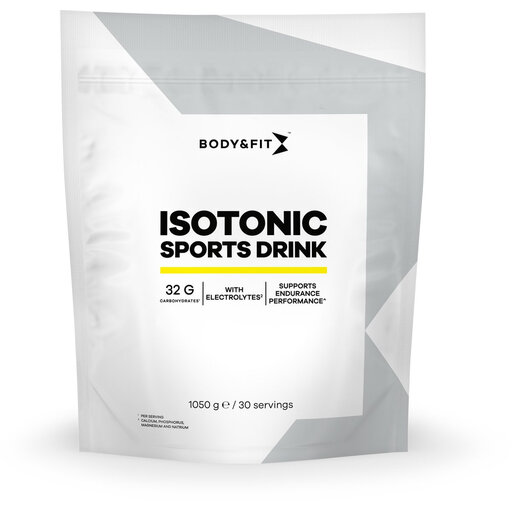
Why this fits the profile: A powder for those who train regularly and want to prepare the desired amount themselves. The packaging states approximately 30 servings of 35g, enough for around 15 litres of drink.
The serving size and preparation method are clearly stated. This allows you to check carbohydrates, calories and minerals per prepared serving in advance.
1050g, approximately 30 servings, carbohydrates and minerals such as sodium, potassium and magnesium.
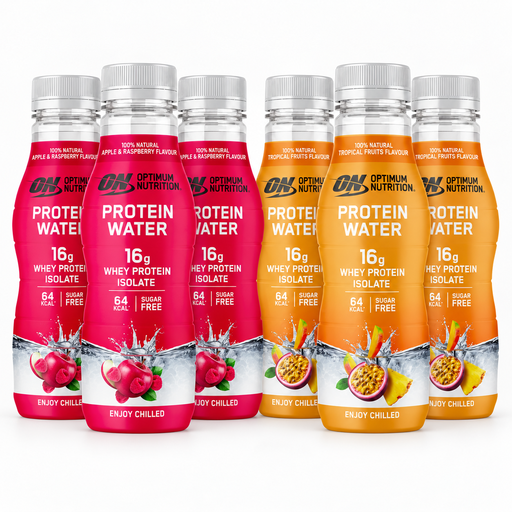
Why this fits the profile: For those looking for a light, fruity protein drink instead of a creamy protein shake. The bundle includes two flavours.
The label makes it clear that this is a protein drink and not a carbohydrate-rich sports drink. Protein, calories, sugar and fat are specified per bottle.
6 bottles of 350ml, 16g whey protein isolate per bottle, 0g sugar and 64 kcal per bottle.
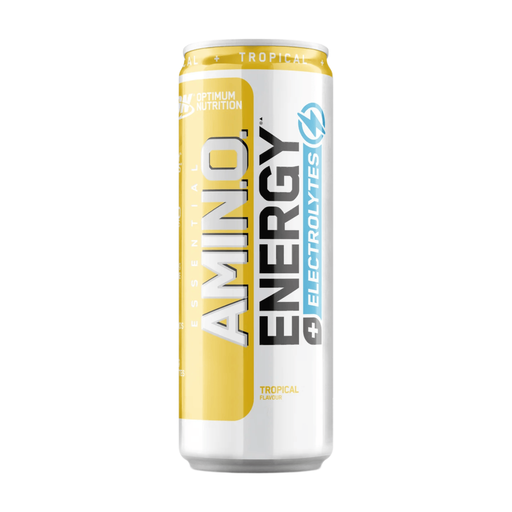
Why this fits the profile: For adults who are specifically looking for a sugar-free drink with amino acids, magnesium and caffeine around a workout.
The caffeine content of 100mg per can is stated. This allows you to distinguish the product from a regular electrolyte drink and plan your consumption better.
250ml per can, 10 kcal, 100mg caffeine, amino acids and 70mg magnesium according to the product information.
We've put together a full, up-to-date list of products that fully meet these strict selection criteria and comply with current European safety regulations.
No. For a short or gentle workout, water can be enough. A sports drink with carbohydrates and electrolytes may be more suitable for longer exercise, hot conditions or workouts where you sweat a lot. Always check the nutritional information and your own usage situation.
An isotonic sports drink usually contains water, carbohydrates and electrolytes and is designed for drinking during exercise. A protein drink mainly provides protein and is often used after exercise or between meals. They don't automatically replace each other.
Unopened, follow the date and storage advice on the packaging. Powder should generally be stored tightly sealed, dry and out of direct sunlight. An opened ready-to-drink protein drink often needs to be kept refrigerated and consumed within 24 hours, according to the product information. Always check the current label before use.
